
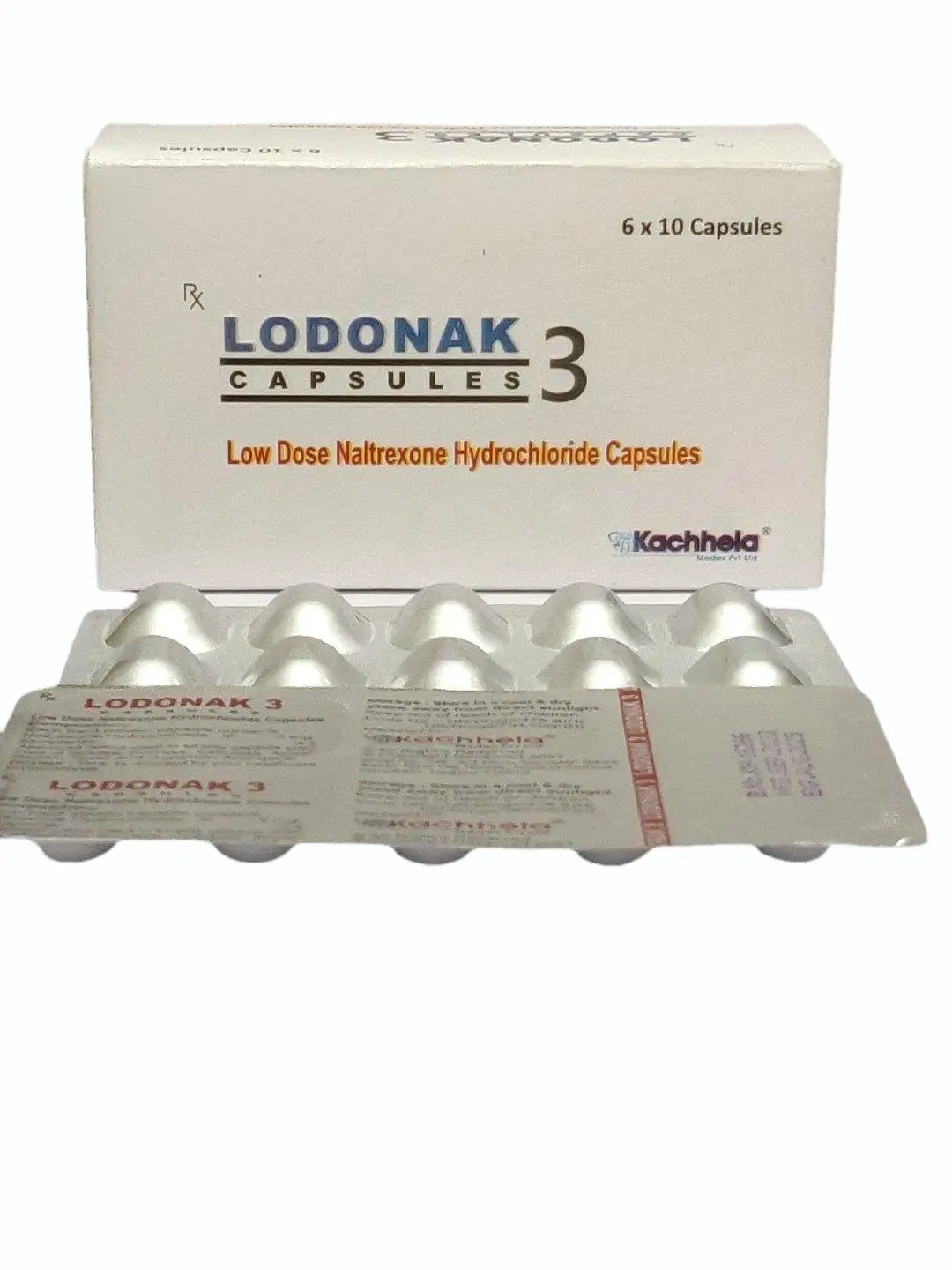
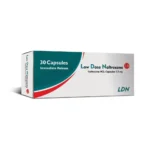
Lodonak 3mg (Naltrexone)
Previous product
Elinide 500mg (Nitazoxanide)
$20.00 $104.00Price range: $20.00 through $104.00
Next product
Apresign 30mg (Apremilast)
$50.00 $88.00Price range: $50.00 through $88.00
$48.00 $159.00Price range: $48.00 through $159.00
In Stock
In Stock
Lodonak 3mg (Naltrexone)
| Pack Size | Price | Quantity | Add To Cart | |
|---|---|---|---|---|
| 60 Capsule/s | $48.00 | |||
| 120 Capsule/s | $89.00 | |||
| 240 Capsule/s | $159.00 | |||
| Want to order in bulk / B2B price? Send Inquiry | ||||
×
Sorry!! Out of Stock
Sorry! Lodonak 3mg (Naltrexone) is out of stock
Please click below to view other similar medications.
View All Naltrexone Products
Offer You Can't Resist
Free Shipping
Enjoy Free Shipping on Orders above AUD304 (USD199)
Estimate Shipping :
08 September - 15 September
48
Highly Professional
Very professional company with a smooth ordering process. The staff were courteous and helpful, and the shipment was handled efficiently. I had a good overall experience.
 Australia
August 17, 2026
Last Updated on April 19, 2026

Description
Lodonak 3 mg (Naltrexone)
Lodonak 3 mg, which contains Naltrexone, the ingredient that is active. Naltrexone is a medicine that is used to treat addiction to alcohol and opioids. It helps in reducing cravings and preventing any effects caused by opioids, aiding people in staying clean.
In this article, we’ll look at how the drug is used, the purpose for which it’s intended, as well as how it can be taken, side effects, and safety precautions.
What is Lodonak 3 mg?
Lodonak is a trademark to refer to Naltrexone, which is a drug that is classified as an opioid antagonist. It blocks the receptors for opioids in the brain. This prevents opioids (like heroin and prescribed painkillers) from creating their euphoric effect.
While typically prescribed at greater dosages (typically 50 mg in the treatment of addiction), the Lodonak 3 mg dosage is used as part of a controlled treatment program. Sometimes, it is used together with other treatments and for diverse medical needs, like the microdosing protocol and other off-label uses. The specific dosage depends on the prescription of a physician and direction.
How Does Naltrexone Work?
Naltrexone is a drug that binds to opioid receptors within the brain, but it does not stimulate these receptors. The result is that opioids are prevented from forming bonds and causing the effects they have. In the absence of pleasure from opioids, it is less appealing to consume the drugs.
In the case of alcohol dependence, Naltrexone alters reward pathways within the brain. This reduces the pleasure-inducing feelings that come with alcohol, helping to reduce the urge for alcohol and prevent relapse.
What Conditions is Lodonak Used For?
- Alcohol dependence: Help reduce the likelihood of relapse and cravings.
- Opioid dependence: To prevent relapse after detoxification by blocking opioid effects.
- Off-label medications are sometimes prescribed to treat issues related to cravings or mental health issues, but under medical supervision.
How to Take Lodonak 3 mg
- Always adhere to your healthcare doctor’s advice.
- Typically, it is taken at least once a day.
- It can be consumed either with or without food.
- It is essential to complete the detoxification process before beginning Naltrexone to prevent withdrawal-related effects.
- It is essential to schedule regular follow-up visits to assess the efficacy and potential effects of side consequences.
Side Effects of Lodonak
The majority of people are tolerant to Naltrexone however, side effects may be experienced:
Common Side Effects:
Serious Side Effects (seek medical attention):
- Liver problems (signs: yellowing skin or eyes, dark urine, abdominal pain)
- Allergic reactions (rash, itching, swelling)
- Depression or suicidal thoughts
- Severe dizziness or fainting
Precautions Before Taking Lodonak
- Do not consume Lodonak if you’re currently taking opioids. It could trigger severe withdrawal.
- Tell your physician if you suffer from liver diseases.
- Do not drink alcohol when taking Naltrexone, since it could raise the likelihood of liver damage.
- Examine any previous mental health problems, such as suicidal or depression-related thoughts.
- Breastfeeding or pregnant women who want to get pregnant are advised to consult with their physician before using.
Interactions with Other Medications
- Opioids (including cough syrups with codeine) — contraindicated.
- Certain antidepressants and psychiatric drugs could cause interactions.
- Be sure to inform your doctor about any medication or supplement you take.
Benefits of Lodonak 3 mg
- Aids in reducing cravings as well as Relapse risks in the case of alcohol and opioid addiction.
- It is not addictive and doesn’t cause an increase in blood alcohol levels.
- This can be utilized in conjunction with counselling and other behavioral therapies to achieve greater results.
Final Thoughts
Lodonak 3 mg (Naltrexone) is an effective instrument in treatment for addiction and offers hope to those on their journey to recovery. It requires the supervision of a doctor and dedication to the treatment plan. In conjunction with therapy and changes to lifestyle that can greatly improve your chances of sustaining sobriety.
Always seek advice from your physician to get personalized recommendations prior to beginning or stopping any medications.
Related products





Reviews
There are no reviews yet.