

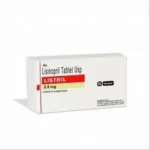
Listril 5mg (Lisinopril)
Previous product

Lorvas 2.5mg (Indapamide)
A$27.44 A$47.65Price range: A$27.44 through A$47.65
Next product
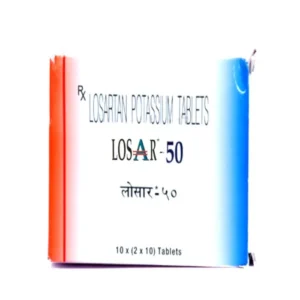
Losar 50mg (Losartan Potassium)
A$28.88 A$47.65Price range: A$28.88 through A$47.65
A$38.99 A$51.98Price range: A$38.99 through A$51.98
In Stock
In Stock
Listril 5mg (Lisinopril)
| Pack Size | Price | Quantity | Add To Cart | |
|---|---|---|---|---|
| 60 Tablet/s | A$38.99 | |||
| 90 Tablet/s | A$41.88 | |||
| 120 Tablet/s | A$51.98 | |||
| Want to order in bulk / B2B price? Send Inquiry | ||||
×
Sorry!! Out of Stock
Sorry! Listril 5mg (Lisinopril) is out of stock
Please click below to view other similar medications.
View All Lisinopril Products

Offer You Can't Resist
Free Shipping
Enjoy Free Shipping on Orders above AUD304 (USD199)
Estimate Delivery :
13 September - 20 September
42
Professional service
Professional service, excellent communication, and secure packaging. Very satisfied with my overall experience
 Australia
August 13, 2026
Last Updated on April 19, 2026

Description
Listril 5mg (Lisinopril): A Comprehensive Guide
High blood pressure, often called hypertension, is among the most common chronic illnesses all over the world. If not treated, it may result in serious health problems such as stroke, heart disease, and damage to the kidneys. The most widely prescribed drug for the treatment of high blood pressure is Lisinopril that is sold under a variety of brand names, including Listril 5mg. This article explains all you need to be aware of about Listril 5mg, such as the way it works, its positive effects, its side effects, safety measures, and suggestions for its use.
What is Listril 5mg?
Listril 5mg contains the active ingredient Lisinopril, which belongs to a class of medications known as ACE inhibitors (Angiotensin-Converting Enzyme inhibitors). The most common indications for it are:
- High blood pressure (hypertension)
- Heart failure
- Post-heart attack recovery
- Diabetic nephropathy (kidney problems in diabetic patients)
Listril assists by relaxing blood vessels, lessening the strain on the heart, and increasing blood flow through the body.
How Does Lisinopril Work?
Lisinopril is a drug that blocks the enzyme that is known as ACE, which is responsible for the conversion of angiotensin to angiotensin II. Angiotensin II acts as a powerful vasoconstrictor, which reduces blood vessel size and blood pressure. Through blocking the production of this hormone, Lisinopril helps blood vessels to relax and expand, making it simpler for the heart muscle to circulate blood.
When patients suffer from heart disease, Lisinopril helps reduce the strain on the heart and may enhance the chances of survival. Additionally, it protects kidney function, specifically when people suffer from diabetes.
Uses of Listril 5mg
- Hypertension
A lower blood pressure level can help prevent heart attacks, strokes, and kidney disorders. Listril is frequently utilized as a first-line therapy for hypertension.
- Heart Failure
When patients suffer from heart disease, Listril can help alleviate symptoms like shortness and fatigue as well as reduce the need for hospitalization.
- Post-Myocardial Infarction (Heart Attack)
After having a heart attack, Listril aids in surviving and helps prevent damage to the heart.
- Diabetic Kidney Disease
Lisinopril reduces the development of kidney disease among people who suffer from diabetes by decreasing pressure within the kidney’s filtering units.
Dosage and Administration
The recommended starting dose of Listril is 5 mg once a day. The dosage could be adjusted by your physician based on the individual’s response and tolerance. The dosage can be upwards to 40 mg per day. It’s essential to:
- Do it at the same each day at the same time.
- You can take it without or with food.
- Follow your physician’s advice carefully.
Note: Do not self-adjust your dosage without consulting your doctor.
Benefits of Listril 5mg
- Control of blood pressure effectively
- Improves heart function in heart failure
- Lowers the chance of cardiovascular events. Like heart attacks and strokes.
- slows the damage to the kidneys in diabetic patients
- Most of the time, it is well-tolerated and is available at a time-saving, daily dosage
Possible Side Effects
As with all medicines, Listril 5mg can cause adverse effects. Some are not severe, while others require medical intervention.
Common Side Effects:
- Dry, persistent cough
- Dizziness or light-headedness, especially when standing
- Fatigue
- Headache
- Nausea
Serious but Rare Side Effects:
- Swelling of the face, lips, or throat (angioedema) – medical emergency
- High potassium levels (hyperkalemia)
- Kidney dysfunction
- Low blood pressure (hypotension)
- Allergic reactions
If you are experiencing an increase in facial swelling, breathing difficulties, or extreme dizziness, consult a doctor immediately.
Precautions and Warnings
Before taking Listril 5mg, inform your doctor if you:
- Have kidney or liver problems
- Are pregnant or planning pregnancy
- Have a history of angioedema
- Are you taking diuretics or other blood pressure medicines
- Are suffering from the disease and take medications such as Aliskiren
- Are taking the lithium or potassium supplements
Listril and Pregnancy
Lisinopril is not recommended to be used in pregnancy, particularly during the second trimester. It could cause harm or death to the unborn child. The women who are pregnant must make sure they are using a contraceptive that is effective while taking this drug.
Interactions with Other Medications
Listril can interact with a variety of other drugs, for example:
- Diuretics (can increase the likelihood of low blood pressure)
- diuretics with potassium-sparing properties, as well as potassium supplementation (may lead to high potassium)
- NSAIDs like ibuprofen (may reduce kidney function)
- Lithium (higher levels of lithium increased the toxicity)
Inform your physician of all the medications you’re taking, even the over-the-counter drugs and supplements.
Monitoring While on Listril
Check-ups on a regular basis are vital during treatment with Listril. Your doctor may monitor:
- Blood pressure
- Kidney function (via serum creatinine and blood urea nitrogen)
- Electrolytes, especially potassium
It ensures that the medicine is effective and safe.
Tips for Patients
- Do not skip doses. Take your medication daily, even if you are feeling fine.
- Do not use potassium-rich salts as substitutes for sodium unless you are advised otherwise.
- Keep hydrated. However, do not take it too far.
- Take a slow rise from lying or sitting places to reduce dizziness.
- Make sure you schedule regular appointments to monitor blood pressure and blood pressure tests.
Frequently Asked Questions
Can I stop Listril if my blood pressure is normal?
No. Blood pressure is managed with medication. If you stop it abruptly, it could cause your blood pressure to increase once more. Always consult your doctor first.
Is Listril safe for long-term use?
Yes, if properly monitored, Listril is generally safe and is well-managed for use over a long period of time.
What should I do if I miss a dose?
Take the medication as soon as you remember. If it’s getting close to the next dose, don’t take the dose you missed. Do not increase the dose.
Can I drink alcohol while taking Listril?
The consumption of alcohol can raise the chance of adverse side effects, such as dizziness. The best thing to do is limit your consumption of alcohol.
Conclusion
Listril 5mg (Lisinopril) is an essential component in treating hypertension, heart failure, and certain kidney disorders. It’s usually secure, efficient, and simple to administer; however, it requires periodic surveillance. Similar to all drugs to be used, it must be administered according to the prescription, and the patient should be aware of any potential negative effects and interactions.
Consult your doctor before adjusting, stopping, or altering the dose of Listril or other medications. The ability to control blood pressure could significantly improve health and reduce the risk of major health issues later on.
Related products




Recently Viewed





Reviews
There are no reviews yet.