
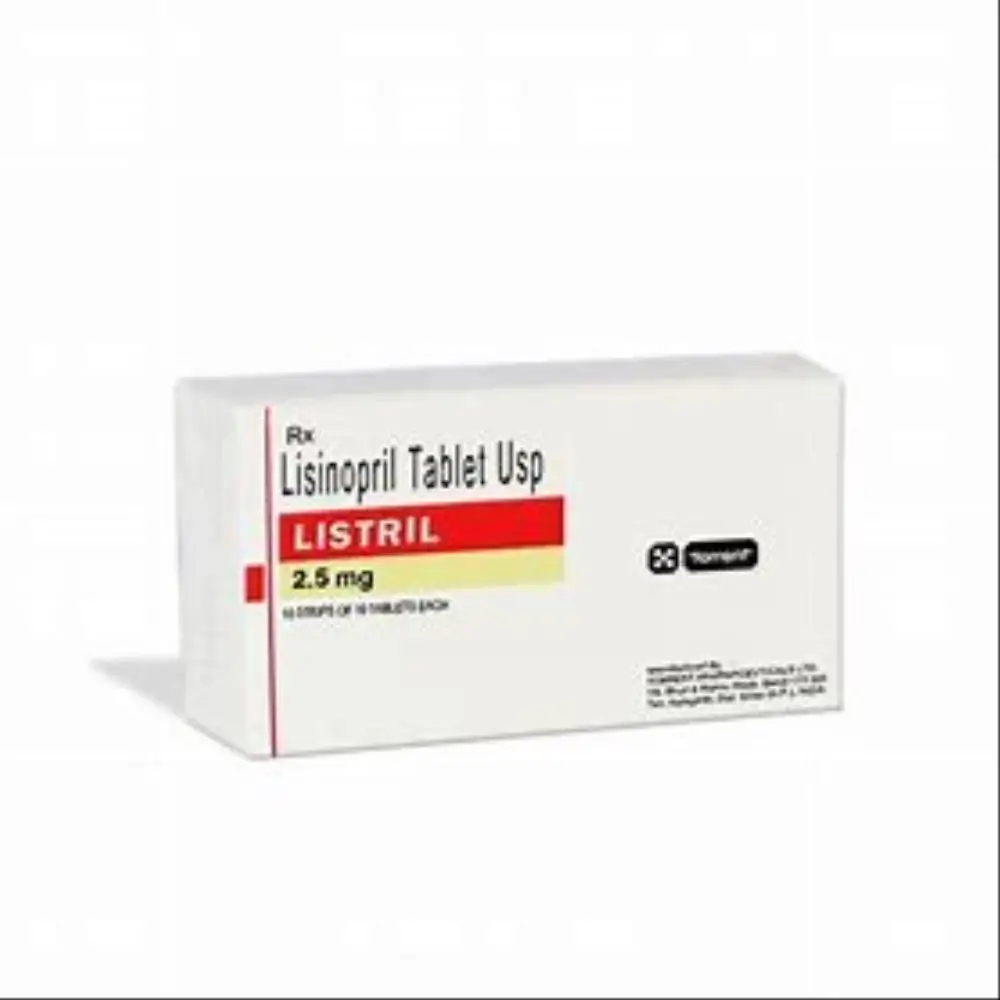
Listril 2.5mg (Lisinopril)
Previous product
Losar 25mg (Losartan Potassium)
A$18.77 A$36.10Price range: A$18.77 through A$36.10
Next product

Frusenex 100mg (Furosemide)
A$21.66 A$40.43Price range: A$21.66 through A$40.43
A$21.66 A$30.32Price range: A$21.66 through A$30.32
In Stock
In Stock
Listril 2.5mg (Lisinopril)
| Pack Size | Price | Quantity | Add To Cart | |
|---|---|---|---|---|
| 60 Tablet/s | A$21.66 | |||
| 90 Tablet/s | A$24.55 | |||
| 120 Tablet/s | A$30.32 | |||
| Want to order in bulk / B2B price? Send Inquiry | ||||
×
Sorry!! Out of Stock
Sorry! Listril 2.5mg (Lisinopril) is out of stock
Please click below to view other similar medications.
View All Lisinopril Products

Offer You Can't Resist
Free Shipping
Enjoy Free Shipping on Orders above AUD304 (USD199)
Estimate Delivery :
13 September - 20 September
34
Fast Support
Customer support was excellent. My questions were answered promptly and the team was very helpful throughout the process. The order was handled efficiently and professionally
 Australia
August 15, 2026
Last Updated on April 19, 2026

Description
A Trusted Ally in Blood Pressure and Heart Health Management
High blood pressure (hypertension) is commonly referred to as”hypertension” or the “silent killer” because it generally does not show any symptoms until a significant injury has taken place. However, there are medications available, such as Listril 2.5mg, which contains Lisinopril provide an established method of controlling blood pressure as well as safeguarding the kidneys, heart, and blood vessels.
In this article, we’ll in-depth look at Listril 2.5mg -the uses for it and how it functions in terms of dosage, the side effects, warnings, and guidelines for living your lifestyle to achieve optimal results from the treatment.
What is Listril 2.5mg?
Listril 2.5mg is a prescription medication that contains Lisinopril, a drug from the class of medications known as ACE inhibitors (Angiotensin-Converting Enzyme inhibitors). It is produced in the company of Torrent Pharmaceuticals, known as an Indian pharmaceutical corporation.
Lisinopril is among the most frequently used medicines around the globe for the treatment of:
- High blood pressure (hypertension)
- Heart failure
- Prevention of kidney damage in people with diabetes
- Recovery after a heart attack
How Does Listril 2.5mg Work?
Lisinopril acts by relaxing blood vessels and allowing blood to flow much more freely. It accomplishes this by inhibiting the enzyme (ACE), which is the one responsible for generating angiotensin II, an inflammatory chemical that dilates blood vessels and elevates blood pressure.
By reducing angiotensin II levels, Lisinopril helps:
- Lower blood pressure
- Reduce the workload on the heart
- Protect the kidneys, especially in diabetic patients
Uses of Listril 2.5mg
- High Blood Pressure (Hypertension)
Listril aids in decreasing blood pressure. It also reduces the possibility of heart attack, stroke, and kidney disease.
- Heart Failure
For patients who have weak heart function, Listril enhances the capacity of the heart to pump blood. It also decreases swelling of the lungs and in the human body.
- Post-Heart Attack Recovery
Lisinopril is typically prescribed following an attack on the heart to aid in the healing of the heart and to prevent further heart attacks.
- Diabetic Kidney Protection
For people suffering from type 1 or 2 diabetes with protein-rich urine (proteinuria), Listril slows the progression to kidney disease.
Dosage and Administration
Listril 2.5mg is commonly used as a beginning dose, particularly in:
- Older adults
- People with low blood pressure
- Those with kidney problems
- Patients with heart failure
Typical Dosage Range:
- Hypertension: The recommended dose for starting is 2.5-5 mg daily. The maintenance dose is typically 10-40 mg every day.
- Heart failure: Begin by taking 2.5-5 mg daily. The dosage can be titrated to a higher dose under the supervision of a medical professional.
- Post-heart attack: 5 mg on the initial day. Followed by 5-10 mg a day.
- Diabetic nephropathy: Dose is individualized according to blood pressure and kidney function.
Important: Make sure you take Listril exactly as recommended by your physician. Never alter the dose by yourself.
How to Take Listril
- Do it every day for a minimum of one hour and ideally during the same time every day throughout the day.
- Taken in combination with or without meals.
- Take the tablet with the help of a glass of water.
- If you’ve missed the dose, get the dose as soon as you can remember. If you’re close to the next dose, you can skip the missed dose and don’t double-up.
Side Effects of Listril 2.5mg
Although Listril is generally well tolerated, it could cause some side reactions in certain people.
Common Side Effects:
- Dry, persistent cough
- Dizziness or light-headedness (especially after the first dose)
- Fatigue
- Headache
- Low blood pressure (hypotension)
- Increased potassium levels
Less Common but Serious Side Effects:
- Angioedema (swelling of the face, lips, tongue, or throat — requires emergency attention)
- Kidney problems (reduced urine output, swelling)
- High potassium levels (may cause weakness in muscles and irregular heartbeats)
- Allergic reactions
If you have difficulty breathing, facial swelling, or indications of excessive dizziness, take the medication off and consult a doctor immediately.
Who Should Not Take Listril?
Listril has a few drawbacks. It is not a suitable choice for everyone. Inform your doctor in case you suffer from:
- History of angioedema (especially with ACE inhibitors)
- Pregnancy (Lisinopril can harm an unborn baby)
- Breastfeeding
- Severe kidney disease
- High potassium levels (hyperkalemia)
- Dehydration or low blood sodium levels
Drug Interactions
Listril could interact with other drugs. Inform your physician whether you’re taking:
- Diuretics (water pills) – could increase the risk of having the development of low blood pressure
- Potassium supplements or potassium-sparing diuretics
- NSAIDs (e.g., ibuprofen) – can reduce efficacy and cause harm to the kidneys
- Diabetes medications – can increase the chance of lower blood sugar
- Lithium – an increased risk of lithium poisoning
Monitoring and Follow-Up
While taking Listril frequently, your physician might be watching:
- Blood pressure
- Kidney function (via blood tests: serum creatinine, eGFR)
- Potassium levels
Regularly scheduled checkups ensure you’re receiving the full benefits from this medication without causing negative side effects.
Lifestyle Tips to Support Listril Therapy
Although Listril aids in managing your illness, the best way to use it is coupled with regular exercise:
✅ Eat a heart-friendly diet:
- Low in salt and saturated fats
- Rich in fruits, vegetables, and whole grains
✅ Exercise regularly:
- Try to do at minimum 30 minutes of biking, walking, or swimming every day
✅ Stay hydrated:
- Take plenty of water, especially during the summer months or when doing exercise
✅ Avoid alcohol and smoking:
- Both of them can affect the control of blood pressure
✅ Limit potassium-rich foods:
- Particularly if your levels of potassium tend to be very high (e.g., coconut water, bananas, oranges)
Storage Instructions
- Place the items in a cool, dry location out of intense sunlight and water
- Be sure to keep it out of the reach of young children
- Don’t use tablets that are expired
Listril vs. Other ACE Inhibitors
Listril (Lisinopril) can be commonly used because of:
- It also has it has a longer time-to-live (works all day, every day)
- Once-daily dosing improves compliance
- It’s thoroughly researched and economical
Other ACE inhibitors include enalapril, ramipril, and perindopril; however, Lisinopril is the one most frequently prescribed drug in the world.
Final Thoughts
Listril 2.5mg (Lisinopril) is a trusted and safe medication that can be used to treat hypertension or heart problems, as well as problems with the kidneys of diabetics. A lower starting dose is especially beneficial to those who are prone to medicines or are at a greater risk of developing side effects.
Through regular usage, careful monitoring, and adjustments to lifestyles, Listril can significantly reduce the chance of suffering from heart attacks, strokes, and kidney problems, and strokes -improving longevity and quality of life.
But remember: Do not stop or alter your medications without consulting your physician. Stay informed, seek out answers, and be sure to take part in your health journey.
Related products







Recently Viewed











Reviews
There are no reviews yet.