

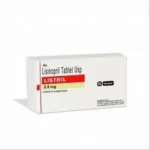
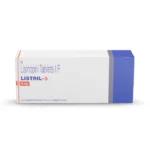
Listril 10mg (Lisinopril)
Previous product
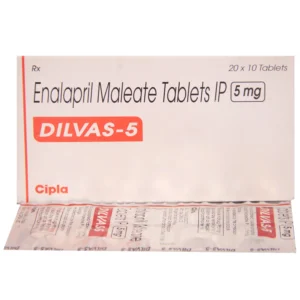
Dilvas 5mg (Enalapril)
$11.25 $21.25Price range: $11.25 through $21.25
Next product

Lotensyl 10mg (Lercanidipine)
$17.00 $27.00Price range: $17.00 through $27.00
$31.00 $63.00Price range: $31.00 through $63.00
In Stock
In Stock
Listril 10mg (Lisinopril)
| Pack Size | Price | Quantity | Add To Cart | |
|---|---|---|---|---|
| 30 Tablet/s | $31.00 | |||
| 60 Tablet/s | $43.00 | |||
| 90 Tablet/s | $63.00 | |||
| Want to order in bulk / B2B price? Send Inquiry | ||||
×
Sorry!! Out of Stock
Sorry! Listril 10mg (Lisinopril) is out of stock
Please click below to view other similar medications.
View All Lisinopril Products
Offer You Can't Resist
Free Shipping
Enjoy Free Shipping on Orders above AUD304 (USD199)
Estimate Delivery :
21 September - 28 September
30
Last Updated on April 19, 2026

Description
Listril 10mg (Lisinopril): A Comprehensive Guide to Blood Pressure and Heart Health
High blood pressure that is high (hypertension) can be a nebulous yet serious health risk that affects millions of people worldwide. If not managed and untreated, it could lead to heart attacks, strokes, kidney damage, or even death. The most trusted medication to treat hypertension is Listril 10mg, a medication that has an active ingredient Lisinopril–a powerful and extensively used AACE antagonist.
In this post, we’ll go into the details of what Listril 10mg is what it is, how it works, and its advantages, as well as side effects, safety measures, and how it is integrated into the overall plan of heart well-being.
What is Listril 10mg?
Listril 10mg is a prescription medication that contains Lisinopril, a drug from the Angiotensin-Converting Enzyme (ACE) inhibitor class. It’s mainly used to:
- Lower high blood pressure (hypertension)
- Treat heart failure
- Improve survival after a heart attack
- Protect the kidneys in diabetic patients
Listril assists in reducing the load of the blood vessels and heart, and makes it much easier for the heart circulates blood.
How Does Listril (Lisinopril) Work?
Lisinopril works by inhibiting the angiotensin-converting enzyme (ACE), a key enzyme in the renin-angiotensin system (RAS). The way it can help:
- Blocks angiotensin II production: Angiotensin II (also known as angiotensin) is a substance that can cause blood vessels to shrink. The blockage of it permits vessels to expand and relax.
- Reduces blood pressure: The larger blood vessels mean less resistance and lower blood pressure.
- Decreases fluid retention: Lisinopril can also decrease the production of aldosterone. It is a hormone responsible for water and salt retention, which helps reduce blood volume and swelling.
Who Should Use Listril 10mg?
Your physician may recommend Listril 10 mg if you:
- Have high blood pressure
- Have chronic heart failure
- I’ve had a cardiac attack and need medication to avoid future heart attacks
- Have diabetic kidney disease
- Are at a high risk of cardiovascular disease and require more heart protection
Benefits of Listril 10mg
Effective Blood Pressure Control
Listril assists in lowering systolic as well as diastolic blood pressures. This reduces the chance of suffering from a heart attack, stroke, or damage to the kidneys.
Heart Failure Management
Lisinopril helps alleviate symptoms of heart disease by decreasing fluid overflow and easing the workload of the heart.
Post-Heart Attack Protection
Listril enhances the chances of survival and can prevent the development of heart disease in people who have had a heart attack.
Kidney Protection in Diabetics
It aids in slowing the development of kidney diseases in those who suffer from diabetes. It also helps reduce the amount of protein present in urine.
How to Take Listril 10mg
- Dosage: Usually, it is taken at least once a day.
- With or without food: It can be consumed either with or without food.
- Regularity: Do it at the same time each day to ensure regular levels within your body.
- Hydration: Keep hydrated, or consult your doctor about the restriction of fluids.
Side Effects of Listril 10mg
As with all medicines, Listril can cause side effects. The majority of them are minor and short-lived. However, some might require medical care.
Common Side Effects:
- Dry, persistent cough
- Dizziness or lightheadedness (especially after the first dose)
- Headache
- Fatigue
- Nausea
Serious but Rare Side Effects:
- Angioedema (swelling of face, lips, throat—medical emergency)
- Kidney dysfunction
- High potassium levels (hyperkalemia) – The symptoms are muscle weakness and irregular heartbeats.
- Low blood pressure (hypotension) – Particularly after dehydration and diuretic treatment
If you experience an increase in swelling, difficulty breathing, or falling asleep Seek medical attention promptly.
Precautions Before Using Listril 10mg
Speak to your physician if you are suffering from:
- Kidney disease
- Liver problems
- History of angioedema
- Diabetes, particularly if you are taking any other blood pressure-lowering drugs
- Dehydration or are on diuretics
Drug Interactions
Listril is a drug that can interfere with other drugs, for example:
- Potassium supplementation or diuretics with potassium-sparing properties (may enhance the amount of potassium)
- NSAIDs (could reduce the blood pressure-lowering effect, or even affect the kidneys)
- Lithium (The risk of lithium poisoning is increased)
- Diuretics (can increase the risk of developing hypotension)
- Diabetes medications (could increase the chance of having low blood sugar levels.)
Make sure you inform your physician of any medications or supplements that you’re taking.
Listril in Special Populations
Pregnancy:
- Not safe. Lisinopril could cause severe damage or birth defects to the fetus. If you find yourself pregnant, discontinue taking it and speak to your doctor.
Breastfeeding:
- Lisinopril cannot be advised during breastfeeding due to insufficient safety data.
Elderly:
- They may be more prone to the side effects of medications like lower blood pressure and kidney disorders. Start at lower doses under supervision.
Tips for Getting the Most Out of Listril
- Monitor blood pressure regularly – At-home BP monitors at home are useful.
- Stay hydrated – But avoid taking in too much potassium in the absence of a doctor’s recommendation.
- Beware of substitute salts with potassium.
- Reduce alcohol consumption since it could decrease blood pressure.
- Stop abruptly – Stopping Listril abruptly could trigger rebound hypertension.
Frequently Asked Questions (FAQs)
How long does Listril 10mg take to work?
There may be a decrease in blood pressure in about 1 or 2 hours, and the full effect may last for months. In the case of heart failure, results could take longer to manifest.
Can Listril cure high blood pressure?
No, it regulates and does not treat. It is best to take it in the long run, regardless of whether you feel good.
Is it safe to use Listril with other blood pressure medications?
Yes, it is often utilized in combination therapy, specifically calcium channel blockers or diuretics. However, it should always be done under the guidance of a physician.
Can I drink alcohol while taking Listril?
It is recommended to reduce alcohol consumption since it could increase the effect of blood pressure-lowering and lead to fainting, dizziness, or even fainting.
What should I do if I miss a dose?
Take the medication as soon as you remember. If it’s near your next dose, don’t take the dose you skipped. Don’t double the dosage.
Conclusion
Listril 10mg (Lisinopril) is a popular and well-respected medication to manage hypertension, as well as heart failure and kidney protection for patients with diabetes. Its lengthy history of usage, as well as its proven advantages and daily dosing makes it the top choice for numerous medical experts.
But, as with all medicines needing proper supervision, this one too must be taken care of and is best taken according to the prescription. In conjunction with a balanced lifestyle, including a balanced diet, regular exercise, and stress management, Listril may assist you with controlling your blood pressure and protecting your heart.
Disclaimer: This blog is meant for educational purposes only. It is not intended to replace medical guidance. Always seek the advice of your physician before beginning, stopping, or modifying the dosage of any medication.
Related products





Reviews
There are no reviews yet.