

Levoflox 250mg (Levofloxacin)
Previous product
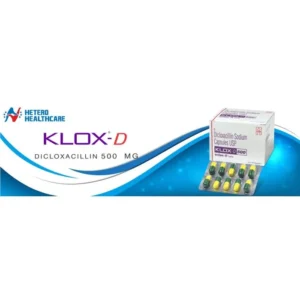
Klox D 500mg (Dicloxacillin)
A$15.26 A$39.34Price range: A$15.26 through A$39.34
Next product

Rivela Gel (Vitamin E)
A$35.00 A$189.00Price range: A$35.00 through A$189.00
A$8.96 A$21.28Price range: A$8.96 through A$21.28
In Stock
In Stock
Levoflox 250mg (Levofloxacin)
| Pack Size | Price | Quantity | Add To Cart | |
|---|---|---|---|---|
| 30 Tablet/s | A$8.96 | |||
| 60 Tablet/s | A$16.10 | |||
| 90 Tablet/s | A$21.28 | |||
| Want to order in bulk / B2B price? Send Inquiry | ||||
×
Sorry!! Out of Stock
Sorry! Levoflox 250mg (Levofloxacin) is out of stock
Please click below to view other similar medications.
View All Levofloxacin Products
Offer You Can't Resist
Free Shipping
Enjoy Free Shipping on Orders above AUD304 (USD199)
Estimate Shipping :
08 June - 15 June
49
Last Updated on April 19, 2026

Description
Levoflox 250mg (Levofloxacin): A Comprehensive Overview
Levoflox 250mg, containing the active ingredient Levofloxacin, which is a widely employed antibiotic belonging to the class of fluoroquinolones. It’s used to treat many bacterial illnesses and is therefore an important medicine in the modern world. This blog will provide an in-depth understanding of Levoflox 250mg. It will also explain the way it functions, how it is used, potential adverse effects, and safety precautions.
What is Levoflox (Levofloxacin)?
Levofloxacin is an antibiotic with a broad spectrum that combats bacteria by limiting the ability of bacteria to reproduce and fix DNA. The action eliminates the bacteria or prevents their growth and allows your immune system to get rid of the bacterial infection.
Levoflox can be found in tablets of 250mg, which is an average dose for managing mild or moderate infections. However, higher dosages can be used based on the kind of infection as well as the severity.
How Does Levoflox Work?
Levofloxacin falls under a category of antibiotics known as fluoroquinolones. It targets the DNA gyrase enzymes in bacterial cells as well as topoisomerase IV. These enzymes are essential to bacterial DNA replication, repair, and transcription.
Through blocking the enzymes involved, Levoflox stops bacteria from reproducing and fixing themselves, resulting in their demise. This is what allows Levoflox to be useful against a large spectrum of bacteria.
Common Uses of Levoflox 250mg
Levoflox 250mg is recommended to treat many bacteria-related infections, such as:
- Respiratory Tract Infections: For example, asthma, bronchitis, and sinusitis.
- Urinary Tract Infections (UTIs): In addition, cystitis and kidney infections.
- Skin and Soft Tissue Infections: This includes wound infections and cellulitis.
- Prostatitis: Prostate gland infection.
- Certain types of gastroenteritis: It is caused by bacterial infections.
The doctor will decide whether Levoflox is the right treatment according to the nature of the disease and suspected or confirmed bacterial cause.
Dosage and How to Take Levoflox 250mg
The precise dose of Levoflox is determined by the type of infection being treated as well as the overall health of the patient. For most infections, 250mg twice daily is typical; however, the duration of treatment can vary from a couple of days up to a couple of weeks or even more.
- Administration: Use Levoflox precisely as directed by your physician.
- With or without food: It is a good drink to take either with or without food; however, having it with a complete glass of water is suggested.
- Avoid dairy products and antacids: They can affect the Levoflox absorption. You should avoid these for 2 hours prior to or following the use of the drug.
Do not miss doses, and make sure you take the entire course even if your symptoms are improving in order to stop the infection from recurring or developing resistance.
Important Precautions and Warnings
Before you take Levoflox, take a look at these key factors:
- Allergies: Consult your doctor if you are prone to an allergy to fluoroquinolones, or any other antibiotics.
- Tendon problems: Levofloxacin increases the chance of tendonitis or rupture, particularly in elderly adults or people taking corticosteroids.
- Nervous system effects: The machine can cause headaches, dizziness, or confusion. So, caution is advised in operating machinery or while driving.
- QT prolongation: Levofloxacin may affect the heart’s rhythm in rare instances; consult your doctor if you suffer from issues with your heart.
- Kidney function: The need for dosage adjustments is common in patients suffering from kidney disease.
- Do not use during the time of breastfeeding or pregnancy unless it is specifically suggested by a doctor.
Potential Side Effects of Levoflox 250mg
Like other medications, Levoflox is not without risk of causing side effects. The majority of people are tolerant; however, some are affected by:
Common side effects:
Serious side effects (seek medical help immediately):
- Severe allergic reactions (rash, itching, swelling, difficulty breathing)
- Tendon pain, swelling, or rupture
- Acute diarrhea or indication of Clostridium difficile (persistent watery diarrhoea)
- Hallucinations or mood changes
- The muscles are weak, or there is numbness/tingling in the limbs
If you are experiencing any significant negative side effects, you should stop the use of Levoflox and speak to your doctor immediately.
Drug Interactions
Levofloxacin could interfere with other drugs and affect how they function. The most frequent interactions are:
- Antacids, sucralfate, iron, and zinc supplements: They help to reduce Levoflox absorption.
- Warfarin: Levoflox could increase blood thinner results, thereby increasing the risk of bleeding.
- Diabetes medications: It could affect the regulation of blood sugar.
- Other QT-prolonging drugs: The combination of certain medicines could cause heart rhythm problems.
Be sure to inform your doctor of all medications, as well as vitamins and supplements you are taking, before starting Levoflox.
How to Store Levoflox 250mg
A proper storage system ensures that the medicine stays effective:
- Place in a cool, dry place free of heat and moisture.
- Make sure that the area is safe for young children.
- Use only beyond the expiry date.
What to Do if You Miss a Dose?
If you’ve forgotten to take your dose of Levoflox, take it whenever you remember it on the same day. When it’s almost time for your next dose, avoid the dose you missed and proceed according to your usual routine. Avoid taking double doses to catch up.
When to Consult a Doctor
Consult your physician if you suffer from:
- The symptoms get worse or don’t improve within a couple of days after treatments.
- Serious side effects, such as painful tendons or allergies.
- Strange mood fluctuations or neurological signs.
Conclusion
Levoflox 250mg (Levofloxacin) is a potent antibiotic that is widely used for treating infections caused by bacteria. If taken properly and with medical supervision, the medication is typically reliable and safe. Be aware of the potential side consequences, drug interactions, and other precautions that may help to maximise benefits while also minimizing risk.
If Levoflox is prescribed, comply with the advice of your physician attentively, follow the complete treatment plan, and note any abnormal symptoms immediately. This will ensure optimal results when managing the infection.
Additional Information
| Manufacturer | Cipla Limited |
|---|---|
| Pack Size | 30 Tablet/s , 60 Tablet/s , 90 Tablet/s |
Related products








Recently Viewed



Reviews
There are no reviews yet.