
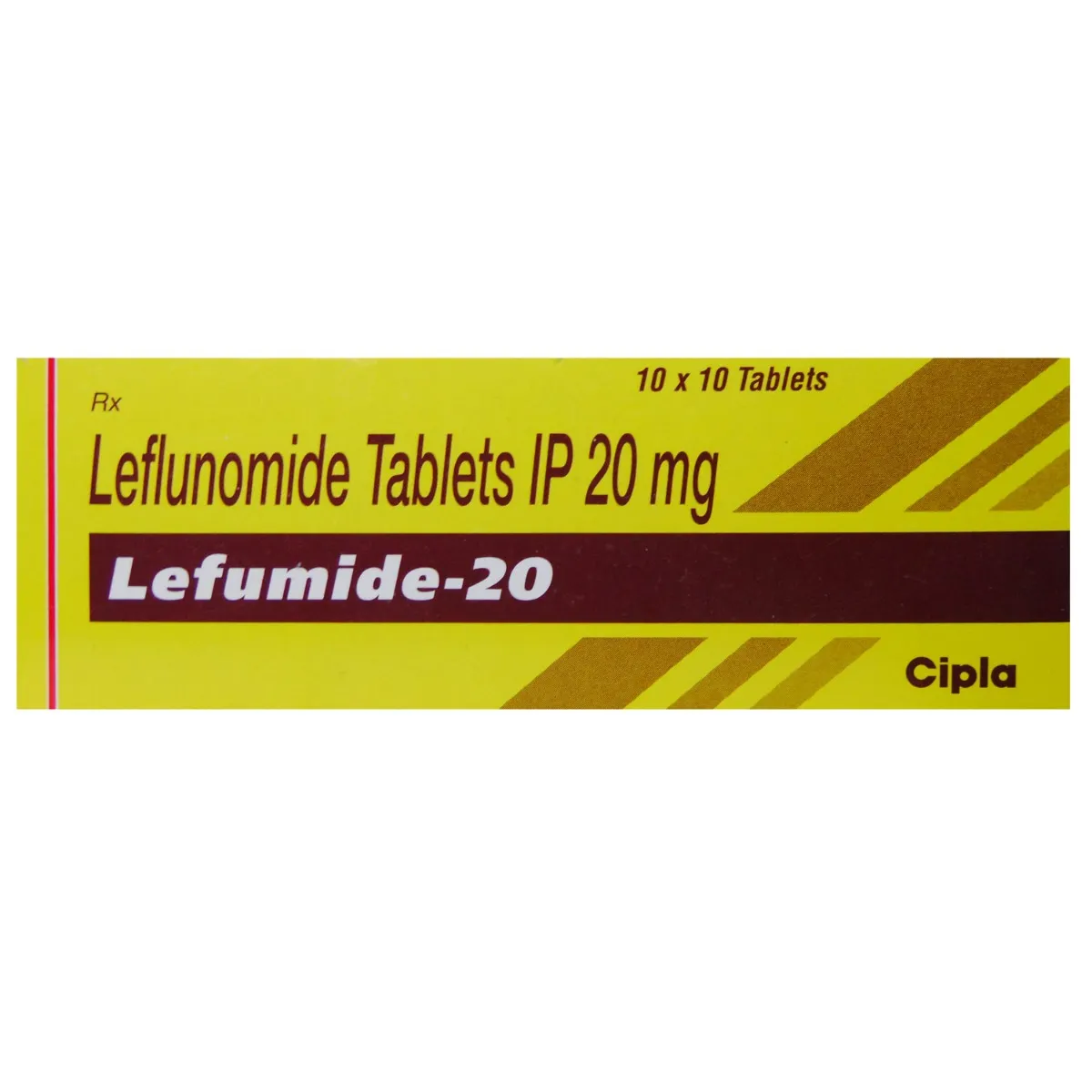
Lefumide 20mg (Leflunomide)
Previous product

Pasitrex Ointment (Calcipotriol)
A$49.13 A$138.98Price range: A$49.13 through A$138.98
Next product
Lefumide 10mg (Leflunomide)
A$33.69 A$63.17Price range: A$33.69 through A$63.17
A$32.29 A$92.65Price range: A$32.29 through A$92.65
In Stock
In Stock
Lefumide 20mg (Leflunomide)
| Pack Size | Price | Quantity | Add To Cart | |
|---|---|---|---|---|
| 30 Tablet/s | A$32.29 | |||
| 60 Tablet/s | A$63.17 | |||
| 90 Tablet/s | A$92.65 | |||
| Want to order in bulk / B2B price? Send Inquiry | ||||
×
Sorry!! Out of Stock
Sorry! Lefumide 20mg (Leflunomide) is out of stock
Please click below to view other similar medications.
View All Leflunomide Products
Offer You Can't Resist
Free Shipping
Enjoy Free Shipping on Orders above AUD304 (USD199)
Estimate Delivery :
10 October - 17 October
28
Fast service and great communication
Everything went exactly as expected. Fast service and great communication
 Australia
September 26, 2026
Last Updated on April 19, 2026

Description
Lefumide 20mg (Leflunomide): Comprehensive Guide to Uses, Benefits, and Safety
Lefumide 20mg, which contains Leflunomide, the main component Leflunomide which is a vital medicine that is used to treat an autoimmune condition that causes chronic inflammation, specifically rheumatoid arthritis. If you or a person you know suffers from joint swelling, pain, or stiffness because of an autoimmune condition, gaining knowledge of the mechanism of action and advantages can assist you in better dealing with your problem.
This blog gives a comprehensive review of Lefumide 20mg, how it functions, which diseases it can treat, dosage guidelines, adverse consequences, safety measures, as well as guidelines for living to help support the use of this medication.
What is Lefumide 20mg (Leflunomide)?
Lefumide 20mg can be described as an immunomodulatory drug that’s classified as a disease-modifying antirheumatic medication (DMARD). Leflunomide, the active ingredient Leflunomide assists in suppressing the immune system that is overactive and responsible for attacking the body’s tissues during autoimmune disease. In contrast to pain relief drugs that just treat symptoms, Lefumide acts directly at the root of the problem by decreasing inflammation as well as preventing damage to joints.
Conditions Treated with Lefumide 20mg
Lefumide 20mg is usually used to treat:
- Rheumatoid arthritis (RA): An autoimmune chronic disease in which your immune system attacks joints, leading to swelling, pain, inflammation, as well as possible joint malformation.
- Psoriatic arthritis: The form of arthritis is common among people suffering from psoriasis. This can cause stiffness and joint pain.
- Other autoimmune inflammatory disorders: Sometimes, off-label treatment is prescribed to treat other ailments that require immune system activation.
Through preventing inflammation and slowing the progression of disease, Lefumide can maintain joint health and enhance quality.
How Does Lefumide 20mg Work?
Leflunomide is a drug that blocks an enzyme dubbed dihydroorotate dehydrogenase (DHODH), which is essential for the production of pyrimidine, which is a basic building block for DNA and RNA. Cells that are immune, including lymphocytes with activation, require the pyrimidine ingredient to grow and maintain inflammation.
Through blocking DHODH, Lefumide reduces the growth of immune cells. This is lessening inflammation and the immune attack on tissues and joints. The immunosuppressive effects help:
- Relieve joint pain and swelling
- Injuries to joints and deformities that are slow to heal
- Increase the mobility and strength of your body
Dosage and Administration of Lefumide 20mg
Lefumide is typically consumed orally every day. It is recommended to take 20 mg to treat treatment; however, starting doses may differ depending on the evaluation of your doctor. It’s crucial to consume Lefumide precisely as directed and never stop the treatment without consulting your physician in the event that symptoms get better.
- Suck the tablet completely and drink plenty of water.
- Make sure to take it at the exact times each day to ensure consistent blood pressure levels.
- It can be consumed in combination with or without meals.
Benefits of Using Lefumide 20mg
- Slows disease progression: In contrast to medications that relieve symptoms, Lefumide tackles the underlying immune system, shielding joints from irreparable damage.
- Reduces symptoms: It reduces the inflammation of joints, which reduces joint pain, swelling, and stiffness.
- Improves quality of life: By gaining control over joints and symptoms, the patients can continue their regular activities and maintain their independence.
- Convenient dosing: Oral administration once a day allows for easy integration into treatment programs.
Possible Side Effects of Lefumide 20mg
Although Lefumide is typically reliable and safe, certain people might experience negative side effects. They tend to be mild or moderate and are manageable:
- Diarrhea or stomach upset
- Nausea or vomiting
- Headache
- Hair thinning or hair loss
- Elevated liver enzymes (detected by blood tests)
- Rash or skin reactions
More serious, but less frequent adverse effects are:
- Liver damage: It can be seen in the skin as well as the eyes. Dark urine and fatigue
- Infections: Because of immune suppression, the risk of getting sick.
- Blood abnormalities: A low white blood cell count or platelet count
- Lung inflammation: Signs of a cough include breathlessness or a lack of it.
Monitoring blood tests regularly is vital to spot the effects of any medication promptly.
Important Precautions Before Taking Lefumide 20mg
Before beginning Lefumide, be sure to inform your health physician if:
- Have liver or kidney problems
- Active infection or an underlying infection
- Are you pregnant, plan to become pregnant, or nursing (Lefumide may cause birth defects, and it is not recommended during pregnancy)
- Have low counts of blood cells or any other blood disorder
- Are you taking any other medication that includes herbal supplements
It is vital to prevent pregnancy while taking treatment and also for a few months after discontinuing Lefumide because of its lengthy half-life. Females who are pregnant should make use of the most effective method of contraception.
Drug Interactions
Lefumide is known to interact with a variety of medicines, which could result in more adverse side effects or less the effectiveness of medication. They include:
- Methotrexate (another DMARD)
- Warfarin (blood thinner)
- Certain vaccines (live vaccines should be avoided)
- Cholestyramine (used to speed up Lefumide elimination if needed)
Be sure to disclose any medications or supplements you consume to your physician in order to avoid negative interactions.
Monitoring and Follow-up
The importance of regular follow-up visits when you undergo treatment with Lefumide. Your physician will:
- Check the liver’s function by conducting blood tests
- Check blood cell counts
- Check for improvement of symptoms as well as any adverse consequences
- Make adjustments if necessary
Reporting any suspicious signs, such as jaundice, unprovoked bruising, fever, or a persistent cough, is crucial.
Lifestyle Tips to Support Treatment
As well as the medication, certain lifestyle adjustments will help you manage your autoimmune arthritis better:
- Balanced diet: A diet high in vegetables, fruits and healthy proteins, and whole grains can improve overall health.
- Regular exercise: Activities that are low-impact, like swimming or walking, enhance joint flexibility and muscular power.
- Avoid smoking and limit alcohol: Both may increase inflammation and can affect the metabolism of medication.
- Stress management: Methods like yoga, counselling, or meditation can assist in the reduction of the severity of flare-ups.
- Protect joints: Make use of ergonomic tools and practise the correct body mechanics in order to lessen joint strain.
Who Should Not Take Lefumide 20mg?
Lefumide is not a good choice for:
- Pregnant or breastfeeding women
- Patients with severe liver impairment
- Patients with hypersensitivity to Leflunomide or other similar medications
- Patients with active infections who are not cleared
The doctor will examine your medical history prior to giving you Lefumide.
Summary
Lefumide 20mg (Leflunomide) is the most important treatment for autoimmune inflammatory conditions like rheumatoid arthritis or Psoriatic arthritis. Through reducing the immune system’s excessive activity, the medication reduces inflammation and helps prevent joint injuries, and improves the health and quality of life.
In spite of the potential for side effects, strict monitoring and adhering to treatment prescribed by a physician allow the majority of patients to take advantage of Lefumide in a safe manner. Lifestyle changes can also help the treatment results.
If you have an arthritis-related autoimmune condition, you should consult with your physician for advice on whether Lefumide 20mg is an appropriate component of the treatment regimen.
Additional Information
| Manufacturer | Cipla Ltd |
|---|---|
| Pharmaceutical | Tablet/s |
| Strength | 20 mg |
| Pack Size | 30 Tablet/s, 60 Tablet/s, 90 Tablet/s |
Related products








Recently Viewed

Reviews
There are no reviews yet.