

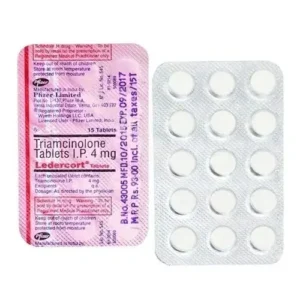
Ledercort (Triamcinolone)
Previous product

Asklerol Injection (Polidocanol)
A$16.80 A$63.00Price range: A$16.80 through A$63.00
Next product
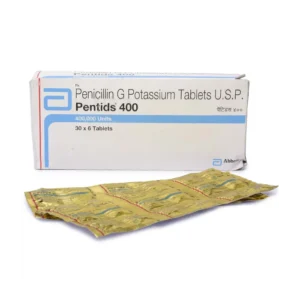
Pentids 400 (Penicillin G)
A$29.75 A$54.25Price range: A$29.75 through A$54.25
A$18.20 A$33.60Price range: A$18.20 through A$33.60
In Stock
In Stock
Ledercort (Triamcinolone)
| Pack Size | Price | Quantity | Add To Cart | |
|---|---|---|---|---|
| 60 Tablet/s | A$18.20 | |||
| 90 Tablet/s | A$25.20 | |||
| 120 Tablet/s | A$33.60 | |||
| Want to order in bulk / B2B price? Send Inquiry | ||||
×
Sorry!! Out of Stock
Sorry! Ledercort (Triamcinolone) is out of stock
Please click below to view other similar medications.
View All Triamcinolone Products

Offer You Can't Resist
Free Shipping
Enjoy Free Shipping on Orders above AUD304 (USD199)
Estimate Shipping :
07 June - 14 June
28
Last Updated on April 19, 2026

Description
Introduction
Ledercort is a trademark that refers to Triamcinolone, an anti-inflammatory medication that is widely utilized to treat a variety of allergies and inflammation. It is well-known as a powerful remedy for decreasing inflammation, suppressing immune reactions, as well as relieving symptoms of many different illnesses.
In this post we’ll look at the basics of what Ledercort is what it is, how it works in the body, how it is used, dosage guidelines, possible adverse effects, warnings, as well as crucial information that patients need to know prior to using the drug. This guide is designed to aid you in understanding this frequently prescribed steroid medicine and to utilize it with care.
What is Ledercort (Triamcinolone)?
Ledercort is an artificial corticosteroid that is an artificial version of the hormones that are naturally made by the adrenal glands. Triamcinolone is part of the class of corticosteroids that mimic cortisol’s anti-inflammatory properties, the hormone that is essential to controlling inflammatory and immune responses.
Ledercort can be found in a variety of types, including:
- Topical creams and ointments
- Injectable solutions
- Nasal sprays
- Dental pastes
The formula prescribed is based on the issue being addressed. For example, topically applied Ledercort creams are commonly applied to skin problems, and injectable formulations are used to treat more widespread inflammation.
How Does Ledercort Work?
The principal function of Ledercort (Triamcinolone) serves to lower inflammation by reducing the immune system’s reaction. If the immune system is active, it can cause inflammation, redness, and discomfort. Ledercort works by:
- By blocking the release of chemicals which trigger inflammation (like prostaglandins, leukotrienes, and prostaglandins)
- The reduction of the activity of immune cells, such as macrophages and T-cells.
- Reduced capillary permeability decreases swelling
In this way, it helps to reduce the symptoms of allergy and inflammation and aids in healing tissues.
Common Uses of Ledercort
Ledercort is used to treat various diseases due to its extensive immunosuppressive and anti-inflammatory effects. A few of the most popular uses are:
- Skin Disorders
- Eczema
- Psoriasis
- Dermatitis
- Allergic reactions
- Insect bites
- Rash and itching
- Allergic Conditions
- Allergic rhinitis (when used as nasal spray)
- Asthma (in injectable or inhaled form)
- Joint and Muscle Conditions
- Rheumatoid arthritis
- Bursitis
- Tendinitis
- Autoimmune Disorders
- Lupus
- Multiple sclerosis (in certain cases)
- Dental Uses
- Oral inflammation
- Ulcers and lesions (in dental paste form)
Dosage and Administration
The amount of Ledercort is contingent on a variety of factors:
- The condition being treated
- The severity of symptoms
- The formulation (topical, injectable, nasal)
- Patient age and health status
Topical Use:
Apply a thin layer of the cream to the affected area 1-3 times each day, according to the prescription of the doctor. Beware of using it on damaged or damaged skin, unless prescribed.
Injectable Use:
Injected by a medical expert, dosages vary depending on the patient’s condition, in single doses or frequent injections.
Nasal Spray:
It is usually used only once or twice every day to treat allergies to nasalitis.
Important:
Be sure to follow your physician’s prescriptions precisely. The misuse or overuse of corticosteroids could cause severe problems.
Potential Side Effects
Although Ledercort is highly effective but it could cause unwanted reactions, particularly when taken over a prolonged period or in large doses.
Common Side Effects (usually mild and temporary):
- Skin irritation or burning (topical use)
- Dryness or redness at the application site
- Headache (nasal spray)
- Soreness or swelling (injection site)
Serious Side Effects (require immediate medical attention):
- Signs of allergic reaction: rash, itching, swelling, dizziness, difficulty breathing
- The skin may thin or develop stretch marks due to prolonged use of topical products
- Increased susceptibility to infections
- Elevated blood sugar levels (especially in diabetics)
- Weight gain and fluid retention
- Mood changes such as anxiety or depression
- High blood pressure
- Osteoporosis with long-term use
- Eye problems like glaucoma or cataracts
Precautions Before Using Ledercort
Before starting Ledercort, inform your doctor if you:
- Have any infections (bacterial, viral, fungal)
- Have diabetes, high blood pressure, or osteoporosis
- Are pregnant or breastfeeding
- Have tuberculosis or a history of it
- Have any allergies to corticosteroids
- Are scheduled for surgery or vaccination
Corticosteroids may reduce the immune system’s effectiveness, which is why it’s important to be cautious to prevent complications and infections.
Interactions with Other Medicines
Ledercort can interact with a variety of other medications, possibly altering its effects or causing more adverse impacts. A few important interactions to consider include:
- Nonsteroidal anti-inflammatory medications (NSAIDs), including ibuprofen that can raise the risk of bleeding from the stomach.
- Blood thinners like warfarin
- Diabetes medications, since steroids may raise blood glucose levels
- Certain antifungals and antibiotics
- Live vaccines should be avoided while undergoing steroid therapy
Be sure to inform your doctor of all supplements, medicines, and herbal remedies you are using.
Using Ledercort Safely
- Make use of the dose that is most effective to get the most effective treatment in the least amount of duration
- Don’t abruptly stop your treatment with no medical guidance, particularly when you have been using the drug for a long time
- Do not apply topical Ledercort to areas with large amounts of skin or in occlusive dressings unless it is directed by a physician
- Hands should be cleaned before and after applying the topical forms
- Be aware of any adverse reactions and immediately report any adverse effects
- Medical check-ups are necessary for those who have been using the drug for a long time to monitor blood sugar, blood pressure, and bone health
Who Should Avoid Ledercort?
Certain patients may require special therapies or care, which includes:
- Patients with generalized fungal infection
- People with untreated infections
- People who are hypersensitive to triamcinolone, or any other steroids
- Elderly and children should take corticosteroids with caution due to the higher chance of adverse effects.
Conclusion
Ledercort (Triamcinolone) is an extremely potent corticosteroid medicine extensively used to treat the immune system and inflammation. The versatility of its formulation can be beneficial in the treatment of skin conditions, allergic ailments, joint issues, and much more.
However, despite its advantages, Ledercort must be used with caution and under the supervision of a medical professional due to the possibility of adverse consequences and the risks that come with corticosteroids. Patients must always adhere to prescription dosages and notify of any adverse reactions immediately.
When used properly, Ledercort can significantly improve symptoms and improve the quality of life in people with inflammatory or allergic diseases.
If you’d like more information about specific formulas or guidance on dealing with side effects, consulting medical professionals is highly recommended.
Additional Information
| Manufacturer | Wyeth Pfizer Ltd |
|---|---|
| Pharmaceutical | Tablet/s |
| Strength | 4 mg |
| Pack Size | 120 Tablet/s, 60 Tablet/s, 90 Tablet/s |
Related products
Recently Viewed


Reviews
There are no reviews yet.