

Kojic Cream
Previous product
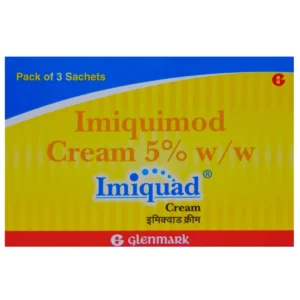
Imiquad Sachet (Imiquimod)
$75.00 $220.00Price range: $75.00 through $220.00
Next product
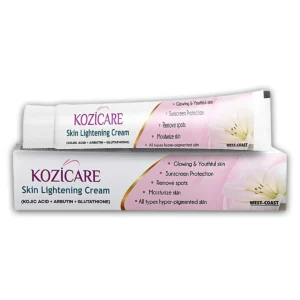
Kozicare Cream
$25.00 $63.00Price range: $25.00 through $63.00
$26.00 $73.00Price range: $26.00 through $73.00
In Stock
In Stock
Kojic Cream
| Pack Size | Price | Quantity | Add To Cart | |
|---|---|---|---|---|
| 3 Cream/s | $26.00 | |||
| 6 Cream/s | $50.00 | |||
| 9 Tube/s | $73.00 | |||
| Want to order in bulk / B2B price? Send Inquiry | ||||
×
Sorry!! Out of Stock
Sorry! Kojic Cream is out of stock
Please click below to view other similar medications.
View All Kojic/Ascorbic Acid Products
Offer You Can't Resist
Free Shipping
Enjoy Free Shipping on Orders above AUD304 (USD199)
Estimate Delivery :
05 October - 12 October
42
Good
I was struggling with daytime sleepiness, and Modvigil 200mg has made a huge difference. I can now stay alert all day long.
 Australia
May 5, 2025
Response from Modalertaustralia
Thank you so much for sharing your experience! We’re really glad to hear that Modvigil 200mg has helped you stay alert and manage daytime sleepiness more effectively. Your feedback means a lot to us. Always remember to use the medication as directed, and feel free to reach out to our support team anytime you need assistance.
Last Updated on April 18, 2026

Description
Introduction
Kojic Cream serves as a topically applied lightening and whitening product for the skin that has Kojic acid as an active ingredient. Kojic acid can be described as a naturally occurring substance derived from species of fungi such as Oryzae Aspergillus, and is extensively used in dermatology and cosmetics to provide skin-whitening and brightening capabilities. It’s especially well-known for the treatment of hyperpigmentation issues like age spots, melasma, post-inflammatory hyperpigmentation, freckles, and more.
Composition
- Active Ingredient: Kojic acid (typically 1-4% concentration in creams)
- Formulation: Cream, lotion, or gel suitable for topical application
- Additional Ingredients: It is often a combination of moisturizing agents, emollients, and other brightening agents, such as Vitamin C, arbutin, or glycolic acid.
Mechanism of Action
Kojic acid is primarily responsible for stopping the enzyme called tyrosinase vital in the creation of melanin, which is the pigment responsible for the color of skin. Tyrosinase is responsible for the oxidation process of dopaquinone to tyrosine, the most important process in the synthesis of melanin. Through blocking this enzyme, Kojic acid inhibits the formation of melanin, which results in a lightening of areas with pigmentation.
Furthermore, Kojic acid has antioxidant properties that help neutralize free radicals, which could cause damage to skin and even pigmentation.
Indications
Kojic Cream is indicated for:
- Hyperpigmentation disorders: For example, melasma and solar Lentigines (age spots), freckles, and the dark spots due to acne or inflammation.
- Skin brightening: To improve the overall appearance and lessen roughness.
- Post-inflammatory hyperpigmentation: The dark spots that appear after cuts, such as burns, acne, or scars.
- Uneven skin tone: It helps to reduce the discoloration that is caused by hormone changes or sun damage.
How to Use Kojic Cream
- Application: Use a light layer of Kojic Cream on clean, dry skin. Usually, it is applied every day, or at least once.
- Sun protection: Make sure you apply sunscreen every day to protect yourself from sunburn. Kojic acid could increase your photosensitivity.
- Duration: Results are visible within 4-6 weeks of consistent usage; however, continued use could be needed to sustain the effects.
- Avoid: Apply the cream to irritated or broken skin.
Benefits of Kojic Cream
- Effective skin lightening: Very effective in cases of stubborn pigmentation.
- Non-invasive: An alternative that is safer than laser or chemical peels.
- Antioxidant effects: Offers extra skin protection.
- Improved skin texture: Regular usage can improve the smoothness and brightness.
- Combination therapy: Most often, they are used with other lighteners for skin, like hydroquinone and retinoids, to enhance impact.
Precautions
- Patch test: Before using the product for the first time, examine for allergic reactions and sensitivities.
- Photosensitivity: The risk of sunburn is increased. Always apply broad spectrum sunscreen throughout the day.
- Avoid long-term use: Prolonged use of the product for more than 3-4 months can result in skin irritations or Ochronosis (a rare condition that causes skin to darken).
- Pregnancy and breastfeeding: Only use if advised by a doctor.
- Skin type: People with extremely sensitive skin are advised to use it with caution.
Possible Side Effects
Though generally safe, Kojic Cream can cause:
- Skin irritation: Redness, itching, or burning sensation.
- Dryness or peeling: Particularly when used in conjunction with the other exfoliants.
- Contact dermatitis: Allergies in sensitive people.
- Paradoxical darkening: Sometimes, users might suffer from worsening skin coloration.
- Ochronosis: Extremely rare, yet serious, the possibility of darkening over time.
If you experience severe irritation or an allergy develops, stop treatment and seek out an expert dermatologist.
Comparison with Other Skin Lightening Agents
- Hydroquinone: It is considered to be a gold standard, but could cause ochronosis and irritation; Kojic acid is milder.
- Arbutin: Natural derivative of hydroquinone commonly combined with Kojic acid to achieve better results.
- Vitamin C: An antioxidant that has skin brightening properties, often used in conjunction with Kojic Cream.
- Chemical peels and lasers: Optional options that can be more aggressive and yield faster results, but with higher risks and time to recover.
Storage Instructions
- Store Kojic Cream in a cool, dry, dark place and out of bright sunlight.
- Make sure the tube is tightly shut during times of non-use.
- Make sure to use it within the expiration date for the best results.
Summary
Kojic Cream is a valuable and extensively used cosmetic agent to control hyperpigmentation and achieve a better, smoother complexion. It reduces melanin production and also provides antioxidant advantages. If used in conjunction with sun protection and medical supervision, it is able to be an effective and safe element of skin-care regimens to address pigmentation concerns.
Additional Information
| Manufacturer | Curatio Healthcare India Pvt Ltd |
|---|---|
| Pharmaceutical | Cream |
| Strength | 25 gm |
| Pack Size | 3 Tube/s, 6 Tube/s, 9 Tube/s |
Related products



Reviews
There are no reviews yet.