
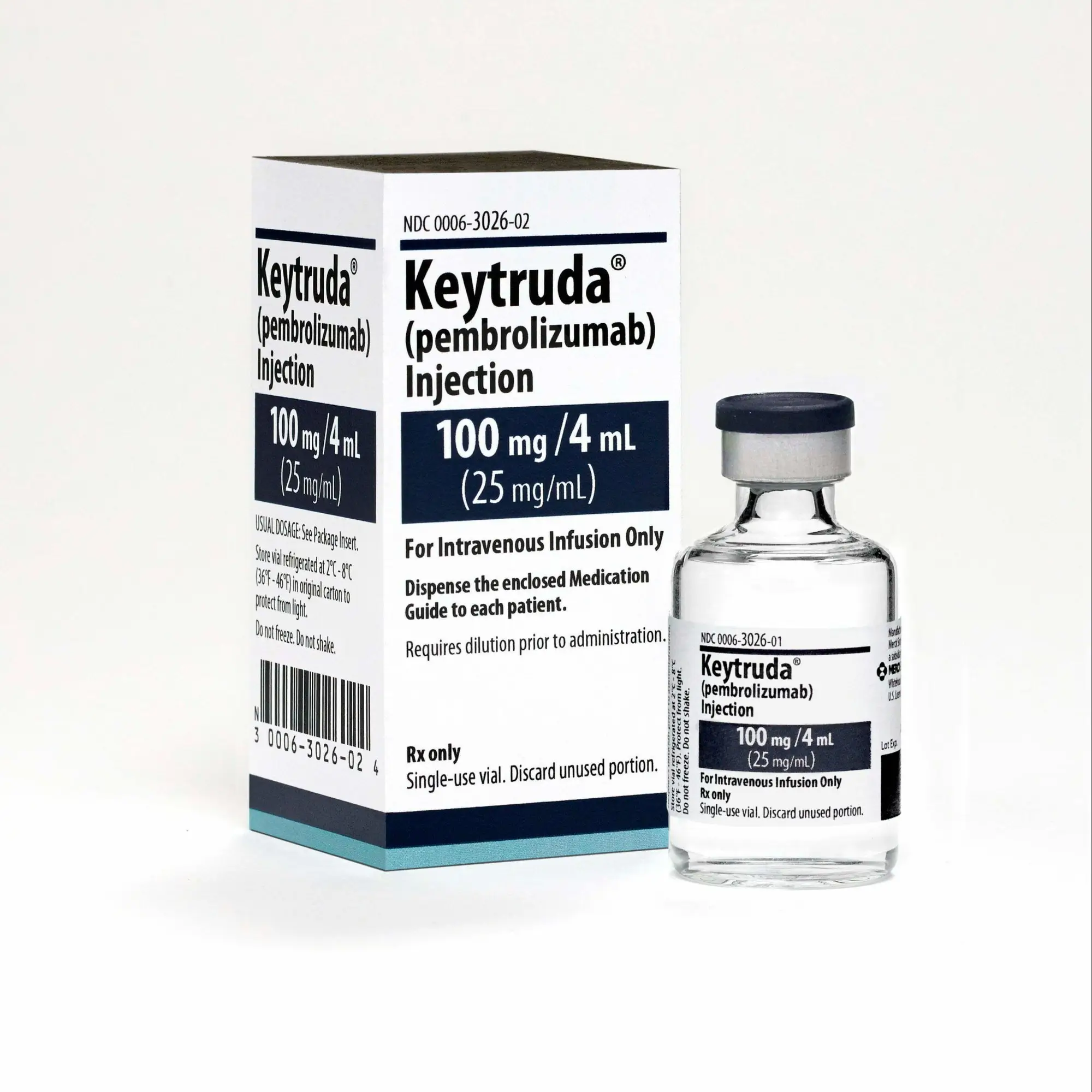
Keytruda 100mg/4ml (Pembrolizumab)
Previous product
Oxitan 100mg/25ml (Oxaliplatin)
$47.00 $274.00Price range: $47.00 through $274.00
Next product
Eroxon Stimgel
$149.00 $699.00Price range: $149.00 through $699.00
$4,000.00 $11,500.00Price range: $4,000.00 through $11,500.00
In Stock
| Manufacturer | Merck & Co |
In Stock
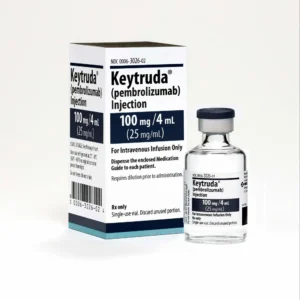
Keytruda 100mg/4ml (Pembrolizumab)
| Pack Size | Price | Quantity | Add To Cart | |
|---|---|---|---|---|
| 1 Injection/s | $4,000.00 | |||
| 2 Injection/s | $7,800.00 | |||
| 3 Injection/s | $11,500.00 | |||
| Want to order in bulk / B2B price? Send Inquiry | ||||
×
Sorry!! Out of Stock
Sorry! Keytruda 100mg/4ml (Pembrolizumab) is out of stock
Please click below to view other similar medications.
View All Pembrolizumab Products
Offer You Can't Resist
Free Shipping
Enjoy Free Shipping on Orders above AUD304 (USD199)
Estimate Shipping :
26 July - 02 August
26
Last Updated on April 18, 2026

Description
Keytruda 100mg/4ml and the active ingredient, Pembrolizumab, is an innovative drug within the field of oncology. Its part of a group of medications known as immune checkpoint inhibitors. They have revolutionized the treatment of many kinds of cancer. This article delves into the subject of Keytruda, including what it does, its application, its benefits, and its safety information.
What is Keytruda (Pembrolizumab)?
Keytruda is a trademark for Pembrolizumab, which is a humanized monoclonal antibody that is designed to boost the immune system’s capability to recognize and kill cancerous cells. It does this by targeting and preventing a protein named PD-1 (programmed death-1) that is present on immune cells, which tumors use to escape the immune system’s attacks.
Keytruda is injected as an intravenous infusion. It is typically at doses as high as 100 mg in a solution of 4ml, under the strict supervision of a medical professional.
How Does Keytruda Work?
Normally, the PD-1 proteins work as an inhibitor of the immune system in order to stop excessive activity and the development of autoimmune diseases. Yet, many cancer cells express the protein PD-L1 (programmed death-ligand 1) and bind PD-1 on T-cells. It then disables these proteins, which allows tumors to escape the immune system’s detection.
Pembrolizumab blocks the PD-1 receptor, stopping the interaction between it and PD-L1. The result is that it “releases the brakes” for the immune system, which allows T cells to target cancer cells better.
This blockade of the immune system has proved to be extremely effective at restoring the body’s natural defenses to fight cancer.
Uses of Keytruda 100mg/4ml
Keytruda has been approved as a treatment for a variety of cancers, which include but are not limited to:
- Non-Small Cell Lung Cancer (NSCLC)
- Melanoma
- Head and Neck Squamous Cell Carcinoma (HNSCC)
- Classical Hodgkin Lymphoma
- Urothelial Carcinoma (Bladder Cancer)
- Gastric or Gastroesophageal Junction Adenocarcinoma
- Cervical Cancer
- Esophageal Cancer
- Renal Cell Carcinoma (Kidney Cancer)
- Microsatellite Instability-High (MSI-H) or Mismatch Repair Deficient (dMMR) Cancers
Keytruda is commonly used in cases where cancers show PD-L1 following the failure of standard treatments; however, it could expand to the therapy of first-line treatment in certain types of cancer.
Administration and Dosage
Keytruda 100mg/4ml can be administered via intravenous injection over about 30 minutes. The frequency and dosage depend on the type of cancer, the patient’s condition, and the treatment plan, typically being administered every 3 or 6 weeks.
The duration of treatment varies, but it can last until disease progression occurs or toxicity that is unacceptable.
Benefits of Keytruda
- Effective Against Hard-to-Treat Cancers: Keytruda gives hope to patients in areas where conventional treatments have been unsuccessful.
- Improves Survival Rates: Clinical trials have revealed an improvement in overall survival, as well as prognosis-free survival.
- Targeted Immunotherapy: Contrary to chemotherapy, it boosts the immune system, which usually results in fewer systemic adverse reactions.
- Durable Response: Some patients experience long-lasting remission.
- Combination Therapy Potential: Keytruda is able to be paired with chemotherapy and other immune therapies to enhance the effect.
Side Effects of Keytruda 100mg/4ml
Although Keytruda is usually well-tolerated, adverse reactions related to the immune system can occur as a result of increased activity in the immune system:
- Common Side Effects:
- Fatigue
- Rash or itching
- Diarrhea
- Nausea
- Decreased appetite
- Serious Immune-Related Side Effects (Require Immediate Medical Attention):
- Pneumonitis (lung inflammation)
- Colitis (inflammation of the colon)
- Hepatitis (liver inflammation)
- Endocrinopathies (thyroid, adrenal, or pituitary gland inflammation)
- Nephritis (kidney inflammation)
- Severe infusion reactions
Since these adverse effects result from the activation of immune cells, they are treated in a different way than typical chemotherapy side effects, usually requiring corticosteroids and immunosuppressive medications.
Precautions and Considerations
- Pre-existing Autoimmune Diseases: Be cautious when using it because Keytruda may aggravate these issues.
- Infections: Contact your doctor if you are experiencing an active infection.
- Vaccinations: Live vaccines are not recommended when undergoing the course of treatment.
- Pregnancy and Breastfeeding: There is no established safety standard. Consider options with your doctor.
- Monitoring: Regular blood tests and images are required to assess the effectiveness and identify any adverse effects promptly.
Conclusion
Keytruda 100mg/4ml (Pembrolizumab) can be described as a major leap forward in cancer therapy that offers hope to the many cancer patients who are difficult to treat. Empowering your immune system to fight cancerous tumors offers an effective treatment that improves survival and quality of life for many cancer patients around the world.
If you or your friend, or your relative is thinking of Keytruda, an extensive discussion with your doctor is crucial to fully understand the possible benefits and potential risks that are based on your individual medical condition.
Additional Information
| Pack Size | 1 Injection/s, 2 Injection/s, 3 Injection/s |
|---|
Related products



Recently Viewed
Reviews
There are no reviews yet.