
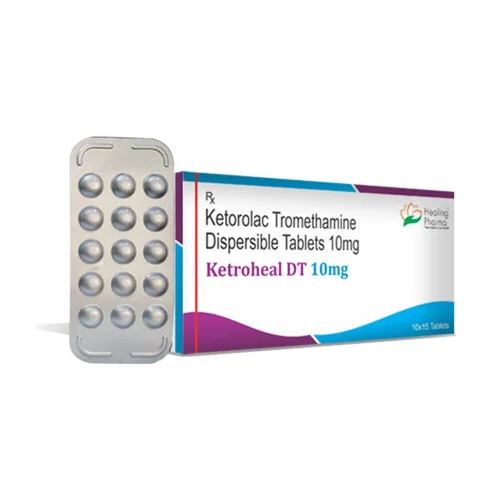
Ketroheal-DT 10mg (Ketorolac)
Previous product
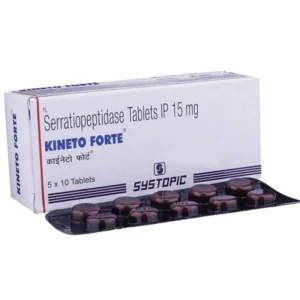
Kineto Forte 15mg (Serratiopeptidase)
A$42.00 A$133.00Price range: A$42.00 through A$133.00
Next product
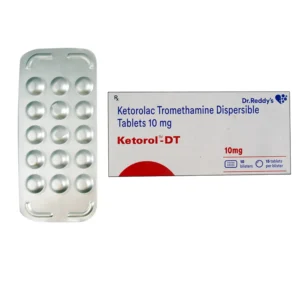
Ketorol-DT 10mg (Ketorolac)
A$46.20 A$119.00Price range: A$46.20 through A$119.00
A$42.00 A$70.00Price range: A$42.00 through A$70.00
In Stock
In Stock
Ketroheal-DT 10mg (Ketorolac)
| Pack Size | Price | Quantity | Add To Cart | |
|---|---|---|---|---|
| 60 Tablet/s | A$42.00 | |||
| 90 Tablet/s | A$56.00 | |||
| 120 Tablet/s | A$70.00 | |||
| Want to order in bulk / B2B price? Send Inquiry | ||||
×
Sorry!! Out of Stock
Sorry! Ketroheal-DT 10mg (Ketorolac) is out of stock
Please click below to view other similar medications.
View All Ketorolac Products

Offer You Can't Resist
Free Shipping
Enjoy Free Shipping on Orders above AUD304 (USD199)
Estimate Shipping :
21 June - 28 June
28
Last Updated on April 18, 2026

Description
Introduction
Ketroheal-DT 10 mg is a combination of Ketorolac Tromethamine is a potent non-steroidal anti-inflammatory medication (NSAID) frequently used in the treatment of mild to extreme discomfort. The effectiveness of this drug in relieving inflammation as well as offering analgesia makes it a popular choice for the treatment of acute pain disorders like muscle injuries, post-surgical pain, as well as kidney colic.
This DT name in its title refers to Dispersible Tablet. This formulation disintegrates quickly when dissolved in water. This makes it much easier to administer to patients with trouble swallowing tablets or who require immediate onset of treatment.
Composition
- Active Ingredient: Ketorolac tromethamine 10 mg (per dispersible tablet)
- Inactive Ingredients: Different excipients help with dispersibility, taste masking, and stability of tablets. They can be lactose, the microcrystalline form of cellulose (microcrystalline), sodium bicarbonate, citric acid, and flavor agents.
Pharmacological Class
- Nonsteroidal Anti-Inflammatory Drug (NSAID)
- Analgesic
- Antipyretic
Mechanism of Action
Ketorolac acts by inhibiting cyclooxygenase (COX-1 and COX-2), which are responsible for converting arachidonic acid into prostaglandins. Prostaglandins act as chemical mediators to cause pain, inflammation, and fever.
By blocking prostaglandin synthesis, ketorolac reduces inflammation and discomfort. It offers effective analgesia without the sedation, dependence, or dangers associated with opioid painkillers.
Indications
Ketroheal-DT 10 mg is typically recommended to treat:
- The short-term treatment of acute moderate to severe discomfort includes:
- Postoperative pain (e.g., after dental, orthopedic, or abdominal surgery)
- Musculoskeletal pain (sprains, strains, injuries)
- It is a painful condition that can be caused by colic in the kidneys along with other conditions of the urinary tract.
- Other acute pain conditions that need powerful analgesics
Dosage and Administration
Adults:
- A typical dosage will be 10 mg once every 4 and 6 hours. This is required to relieve pain.
- Don’t exceed the recommended dose of 40 mg per 24-hour period (4 tablets).
- The duration of treatment should be restricted to five days or less in order to reduce the chance of serious adverse reactions.
Administration Instructions:
- Mix the tablet with the water in a tiny amount (usually 5-10mL).
- Stir until completely dissolved.
- Take a drink immediately after the dispersal.
- It can be consumed in conjunction with food or not; however, taking it in conjunction with milk or food can aid in reducing stomach discomfort.
Special Populations:
- Older patients might require adjustments to their dosage due to their greater sensitivities and increased risk of side effects.
- Be cautious or stay away from those with kidney impairment.
Contraindications
Ketroheal DT should be avoided in these situations:
- Hypersensitivity to ketorolac or other NSAIDs.
- Urticaria, asthma, or allergic reactions due to aspirin and NSAIDs.
- Acute or a history of intestinal bleeding or the development of peptic ulcers.
- Severe renal impairment or risk of kidney failure.
- The bleeding of the cerebrovascular system is currently occurring or hemorrhagic issues.
- It is used during labor or during the perioperative phase of the coronary bypass graft (CABG) operation.
- In conjunction in conjunction with anticoagulants or other NSAIDs without the supervision of a physician.
Precautions
- Gastrointestinal (GI) risks: An increased risk of bleeding, ulcers, and perforation. These may cause life-threatening complications.
- Cardiovascular risks: Increased chance of having a heart attack or stroke, particularly with long usage or when patients have existing risk factors.
- Renal function: Ketorolac could reduce renal blood flow and lead to kidney damage in the elderly or dehydrated.
- Bleeding risk: Ketorolac interferes with platelet aggregation and can increase the tendency to bleed.
- Hypersensitivity reactions: Stop immediately if symptoms of allergic reaction (rash or swelling, trouble breathing) are observed.
- Pregnancy and breastfeeding: Beware of use in the third trimester because of the risk to the baby; consult with a physician before breastfeeding.
Side Effects
Common side effects may include:
- Nausea
- Indigestion or stomach discomfort
- Headache
- Dizziness
- Drowsiness
Serious but less common side effects:
- Gastrointestinal bleeding or ulceration
- Severe allergic reactions (anaphylaxis)
- Renal impairment or failure
- A rise in blood pressure or fluid retention
- Abnormalities in liver function
- Events that are cardiovascular, such as a heart attack or stroke
Drug Interactions
- Anticoagulants (warfarin, heparin): A higher risk of bleeding.
- Other NSAIDs or corticosteroids: Additive gastrointestinal toxicity.
- ACE inhibitors, ARBs, diuretics: Increased kidney effectiveness and decreased risk.
- SSRIs: Elevated bleeding risk.
- Lithium: Higher levels of lithium and the possibility of toxicity.
- Methotrexate: Increased toxicity risk.
Use in Special Populations
- Elderly: Greater susceptibility to adverse reactions. Use the lowest dose of effective dose.
- Children: The safety of the product is not fully established. Generally speaking, not recommended for child usage.
- Pregnancy: Be careful, especially during the final trimester.
- Breastfeeding: Take care when using this method; tiny portions of the product can pass through breast milk.
Overdose
The symptoms of an overdose are nausea and vomiting, stomach pain and dizziness, as well as drowsiness and, in extreme cases, bleeding from the gastrointestinal tract or renal failure.
If you suspect that you have taken an overdose, seek immediate medical assistance. It is a good idea to seek treatment, as there isn’t a specific remedy.
Storage
- Maintain the room temperatures (20–25°C or 68–77°F).
- Guard against light and moisture.
- Be sure to keep away from youngsters.
Patient Counseling Information
- Be sure to follow the dosing guidelines carefully. Don’t exceed the recommended dosage or the time.
- Consume with milk or food in the event of stomach discomfort.
- If you notice any unusual bleeding or bruising, black stool, or swelling as soon as you notice it.
- Your healthcare professional should be aware of the medications and supplements that you’re taking.
- Beware of alcohol and other drugs that can increase the risk of bleeding unless your physician has approved.
- Take care while operating machinery or driving until you is aware of the effects of Ketroheal-DT on you.
Summary
Ketroheal-DT 10 mg (Ketorolac Dispersible Tablet) is a very efficacious NSAID to treat short-term moderate or severe discomfort. It blocks prostaglandin synthesis and thus reduces the pain and inflammation. Its dispersible formulation allows quick and easy administration, which is particularly beneficial for those who are unable to swallow tablets.
Due to its potent effect and high risk, Ketroheal-DT is recommended only for short periods (up to five days) under the supervision of a medical professional. It’s not recommended to treat chronic pain as well as for those with serious kidney, gastrointestinal, or cardiovascular risk.
Additional Information
| Active Ingredient: | Ketorolac |
|---|---|
| Indication: | Pain Relief |
| Manufacturer: | Healing Pharma, India |
| Strength: | 10mg |
| Packaging: | 15 Tablet DT in 1 Strip |
| Delivery Time: | 7 To 15 days |
Related products
Recently Viewed

Reviews
There are no reviews yet.