

Kenozole Cream (Ketoconazole)
Previous product
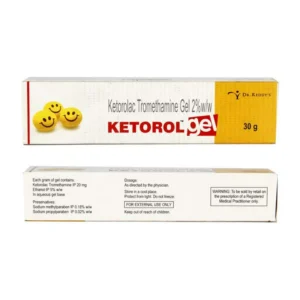
Ketorol Gel 30g (Ketorolac)
A$16.80 A$70.00Price range: A$16.80 through A$70.00
Next product

Kenozole B Cream (Ketoconazole/Beclometasone)
A$11.20 A$102.20Price range: A$11.20 through A$102.20
A$12.60 A$98.00Price range: A$12.60 through A$98.00
In Stock
In Stock
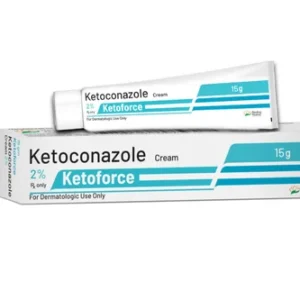
Kenozole Cream (Ketoconazole)
| Pack Size | Price | Quantity | Add To Cart | |
|---|---|---|---|---|
| 1 Cream | A$12.60 | |||
| 3 Cream/s | A$33.60 | |||
| 6 Cream/s | A$58.80 | |||
| 12 Cream/s | A$98.00 | |||
| Want to order in bulk / B2B price? Send Inquiry | ||||
×
Sorry!! Out of Stock
Sorry! Kenozole Cream (Ketoconazole) is out of stock
Please click below to view other similar medications.
View All Ketorolac Products
Offer You Can't Resist
Free Shipping
Enjoy Free Shipping on Orders above AUD304 (USD199)
Estimate Shipping :
07 June - 14 June
29
Last Updated on April 18, 2026

Description
Introduction
Kenozole Cream can be described as the most commonly used topically applied antifungal medicine that includes Ketoconazole at 2 percent as an active ingredient. It’s made to treat the various yeast and fungal infections that affect the skin. It doesn’t matter if you’re experiencing Ringworm, ringworm, or any other dermatitis. Kenozole Cream is commonly a top solution recommended by dermatologists because of its safety and effectiveness.
In this post, we’ll look at the details of Kenozole Cream, how it functions, what kinds of diseases it can treat and how you can use the product correctly, and what measures you need to be taking to get the most effective result.
What is Kenozole Cream?
Kenozole Cream is a topically applied antifungal treatment that contains Ketoconazole, which is an imidazole-class antifungal drug. It’s designed to treat fungal infections on the skin by halting the growth of fungus as well as yeast.
Key Facts:
- Generic name: Ketoconazole
- Brand name: Kenozole Cream
- Strength: 2%
- Form: Topical cream
- Type: Antifungal
How Does Kenozole Cream Work?
Ketoconazole is a drug that disrupts the synthesis of ergosterol, the most important element of the fungal cell membranes. Without it, the membrane is thin and leaky. This causes the fungus to die.
Applying it directly to the area that is infected, Ketoconazole penetrates the skin layers, stops the growth of fungi, and eradicates the infection with time.
What Is Kenozole Cream Used For?
Kenozole Cream is effective against the majority of Dermatophytes, yeasts, as well as other types of fungi that can irritate the skin. Here are some of the most frequent ailments treated by Kenozole:
- Tinea Infections (Ringworm)
- Tinea corporis (body ringworm)
- Tinea cruris (jock itch)
- Tinea pedis (athlete’s foot)
- Tinea versicolor (pityriasis versicolor)
- Seborrheic Dermatitis
- The most common skin problem that causes flaky and red patches, particularly on the scalp, chest, and face. Kenozole decreases the overgrowth of yeast (Malassezia), which is the cause of the problem.
- Cutaneous Candidiasis
- Skin diseases result from Candida type, typically occurring in areas of moisture like the underarms and skin folds.
- Dandruff (when formulated in shampoo)
- Although this article focuses on the cream version, Ketoconazole is also used in shampoos that treat hair loss due to fungal causes.
How to Use Kenozole Cream
Step-by-Step Instructions:
- Clean and Dry the Affected Area
Cleanse the skin with gentle soap and dry it before application of the moisturizer. - Apply a Thin Layer
A small quantity of the Kenozole Cream onto the affected area and the surrounding skin. Apply it with a gentle stroke. - Wash Hands After Application
The infection is prevented from spreading into other areas of the body. - Use As Directed
In general, Kenozole Cream is applied at least once or twice a day, depending on the type of condition and the severity.
Duration of Treatment:
- Tinea infections: 2–4 weeks
- Seborrheic dermatitis: The patient may require maintenance therapy when symptoms are under control.
- Candidiasis: Typically, it takes between 2 and 3 weeks
Maintain the treatment to the end of the treatment regardless of whether symptoms get better earlier in order to stop repeat incidence.
Benefits of Kenozole Cream
✅ Broad-Spectrum Antifungal Action
The product is effective against a variety of yeasts, fungi, and Dermatophytes.
✅ Rapid Relief from Itching and Redness
Most users experience relief in a matter of days.
✅ Minimal Systemic Absorption
A topical medicine, Kenozole Cream stays localized and seldom enters the bloodstream.
✅ Well-Tolerated
Recurrent or long-term usage under the supervision of a physician.
Side Effects of Kenozole Cream
Kenozole Cream is generally well-tolerated. Like all drugs, there are some negative side effects for a handful of people.
Common Side Effects:
- Skin irritation
- Burning or stinging sensation
- Redness at the application site
- Dry skin
Rare Side Effects:
- Allergic reactions (rash, itching, swelling)
- Blistering or peeling of the skin
- Hives or difficulty breathing (seek immediate help)
If the side effects continue or become worse, discontinue use of the cream and speak with your physician.
Precautions and Warnings
- For External Use Only
Avoid applying to the eye, mouth, or on open wounds. If the solution gets in your eyes, wash them thoroughly by rinsing with water.
- Allergy Check
Beware if you have an allergy or sensitivity to Ketoconazole, as well as other antifungal drugs.
- Avoid Occlusive Dressings
Unless a physician has advised you, do not cover the treatment area with tight bandages or dressings. This can increase absorption and the possibility of irritation.
- Use in Pregnancy and Breastfeeding
Kenozole is typically considered safe for pregnant women; however, it is recommended to consult with your physician before using it. Beware of applying it to the areas of the nipple when breastfeeding.
- Pediatric Use
Children are safe if they have a prescription for use, but only under the supervision of a doctor.
Drug Interactions
Because Kenozole Cream is a topical product, interactions with other drugs are not common. It is recommended to avoid using multiple skincare products in the same spot unless advised by your physician.
Additional Information
| Active Ingredient: | Ketoconazole |
|---|---|
| Indication: | Fungal Infections |
| Manufacturer: | Brinton Pharmaceuticals Ltd. |
| Strength: | 2% |
| Packaging: | 30g in 1 tube |
| Delivery Time: | 7 To 15 days |
Related products
Recently Viewed

Reviews
There are no reviews yet.