
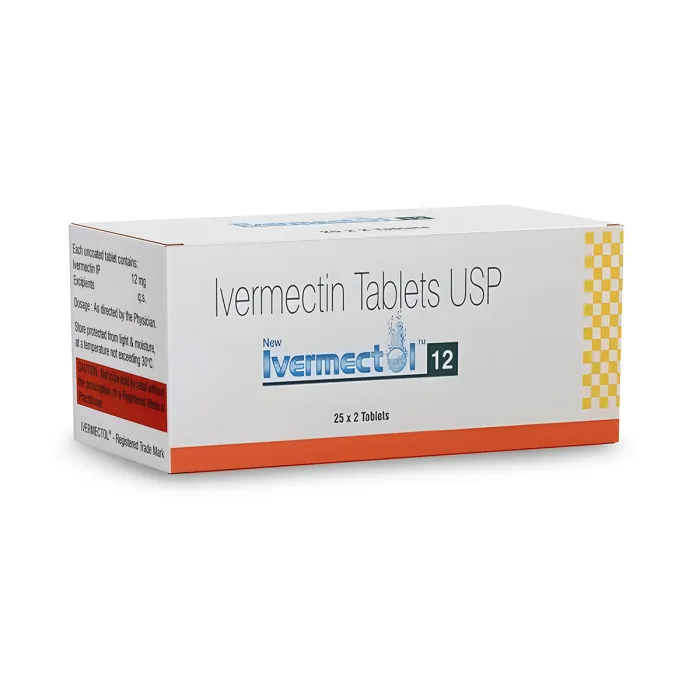
Ivermectol 12mg (Ivermectin)
Previous product
Iverhuman 1% 30g (Ivermectin)
A$35.00 A$128.80Price range: A$35.00 through A$128.80
Next product
Janumet XR CP (Sitagliptin/Metformin)
A$47.60 A$126.00Price range: A$47.60 through A$126.00
A$25.20 A$72.80Price range: A$25.20 through A$72.80
Out of Stock
Out of Stock
Ivermectol 12mg (Ivermectin)
| Pack Size | Price | Quantity | Add To Cart | |
|---|---|---|---|---|
| 10 Tablet/s | A$25.20 | |||
| 20 Tablet/s | A$49.00 | |||
| 30 Tablet/s | A$72.80 | |||
| Want to order in bulk / B2B price? Send Inquiry | ||||
×
Sorry!! Out of Stock
Sorry! Ivermectol 12mg (Ivermectin) is out of stock
Please click below to view other similar medications.
View All Ivermectin Products
Offer You Can't Resist
Free Shipping
Enjoy Free Shipping on Orders above AUD304 (USD199)
45
Good Packagingg
Professional packaging and timely delivery. Highly recommend this medicines website
 Australia
May 20, 2026
Last Updated on April 13, 2026

Description
Ivermectol 12 mg (Ivermectin): Comprehensive Overview
Generic Name: Ivermectin
Brand Name:Ivermectol
Drug Class:Antiparasitic (Avermectin class)
What is Ivermectol 12 mg?
Ivermectol is a drug that contains Ivermectin, which is a powerful, broad-spectrum antiparasitic that is used to treat a variety of parasite illnesses. It’s extremely efficient against various types of parasites, including external ones like lice and scabies mites.
Mechanism of Action
Ivermectin is a protein that binds with the glutamate-gated chloride channel found in muscles and nerve tissues of parasites. The binding results in a rise in the permeability of chloride ions and leads to hyperpolarization, paralysis, and the death of parasites.
Humans aren’t equipped with these channels. This explains the drug’s specificity and safety in therapeutic doses.
Indications
Ivermectol 12 mg is prescribed for treating:
- Onchocerciasis (river blindness)
- Strongyloidiasis
- Ascariasis
- Scabies
- Pediculosis (lice infestation)
- Other prone parasitic infections
Dosage and Administration
- Dosing of the drug is usually dependent on the body’s weight, around 150 to 200 mcg/kg.
- An adult’s 12 mg tablet could be only one or even a fraction of the dose, based on weight.
- Most often, it is administered as a one-time oral dosage, which is often repeated every two weeks under certain conditions.
- Drinking water on an empty stomach, or after an easy meal.
- Be sure to follow the directions of your doctor exactly.
Pharmacokinetics
- Absorption: Bioavailability is increased with foods.
- Peak plasma levels: The effect was seen within 4 hours of the dosage.
- Half-life: About 12 to 36 hours.
- Metabolism: Primarily hepatic via CYP3A4.
- Excretion: Mainly fecal.
Side Effects
Common side effects:
- Dizziness
- Nausea
- Diarrhea
- Fatigue
- Mild skin rash or itching
Serious side effects (rare):
- Allergic reactions (swelling, rash, anaphylaxis)
- Neurological effects (seizures, confusion) in rare cases
- Hypotension
Contraindications
- Hypersensitivity to Ivermectin and formulation excipients
- Children with a body weight of less than 15 kilograms
- Beware of patients suffering from impaired liver function
- Do not recommend pregnancy during the first trimester unless absolutely required
Precautions
- Be aware of allergic reactions, particularly on the first dose.
- Be cautious with patients suffering from CNS conditions.
- Do not take co-administration of drugs that can strongly block or trigger CYP3A4.
- The breastfeeding and pregnant woman should only be considered if the benefit is greater than the risk.
Drug Interactions
- CYP3A4 inhibitors (e.g., ketoconazole) Ivermectin may cause an increase in levels.
- Warfarin might interact with other medications; be aware of INR.
- CNS depressants could cause additive reactions.
Patient Counseling Tips
- Complete the tablet and drink plenty of fluids.
- Make sure you follow the dosage and the prescribed schedule.
- Notify any serious reactions to the medication immediately.
- Be sure to maintain your hygiene and adhere to precautions to avoid parasitic infections.
Additional Information
| Active Ingredient: | Ivermectin |
|---|---|
| Indication: | Scabies, Filariasis |
| Manufacturer: | Sun Pharmaceutical Industries Ltd. |
| Strength: | 12mg |
| Packaging: | 2 Tablets in 1 Strip |
| Delivery Time: | 7 To 15 days |
Related products


Recently Viewed
Reviews
There are no reviews yet.