
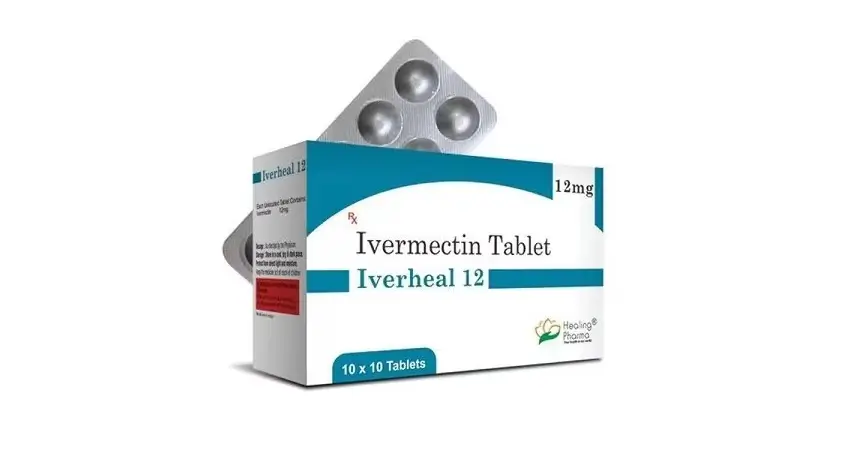
Iverheal 12mg (Ivermectin)
Previous product

Pink Lady 100mg (Sildenafil Citrate)
$45.00 $176.00Price range: $45.00 through $176.00
Next product

Sildigra Soft 50mg (Sildenafil Citrate)
$83.00 $213.00Price range: $83.00 through $213.00
$65.00 $330.00Price range: $65.00 through $330.00
In Stock
In Stock
Iverheal 12mg (Ivermectin)
| Pack Size | Price | Quantity | Add To Cart | |
|---|---|---|---|---|
| 50 Tablet/s | $65.00 | |||
| 100 Tablet/s | $120.00 | |||
| 200 Tablet/s | $230.00 | |||
| 300 Tablet/s | $330.00 | |||
| Want to order in bulk / B2B price? Send Inquiry | ||||
×
Sorry!! Out of Stock
Sorry! Iverheal 12mg (Ivermectin) is out of stock
Please click below to view other similar medications.
View All Ivermectin Products
Offer You Can't Resist
Free Shipping
Enjoy Free Shipping on Orders above AUD304 (USD199)
Estimate Shipping :
08 June - 15 June
42
Last Updated on April 13, 2026

Description
Introduction
Iverheal 12mg is a preparation for pharmaceutical use that contains Ivermectin, which is a popular antiparasitic drug. Ivermectin’s discovery has revolutionized treatment for many parasitic illnesses across the globe and has earned a spot in the WHO’s top list of medicines essential to have. It has become the cornerstone of fighting against illnesses caused by Nematodes (roundworms) as well as parasites called ectoparasites (lice and the scabies mites) and various parasites.
The article offers a thorough comprehension of Iverheal 12mg. It covers its mechanisms of action, its indications, dosage, pharmacokinetics, side effects, contraindications, interactions, and its safety information.
Pharmacology and Mechanism of Action
Ivermectin comes from Avermectins, which are compounds made from the bacteria Streptomyces Avermitilis. It is a powerful antiparasitic because it targets the nervous system of parasites.
Ivermectin is a selective binder and has the highest affinity to glutamategated chloride channels found in muscle and nerve cells in the invertebrates. It increases the vulnerability of the cell membrane to ions of chloride, which causes an increase in the polarity of cells, resulting in the death and paralysis of parasites. Mammals lack glutamate-gated chloride channels. Ivermectin is highly specific and security when administered to humans at dosages that are therapeutic.
In addition, it can interact with other ligand-gated chloride channels, like ones triggered by gamma-aminobutyric acids (GABA), and contributes to its antiparasitic effect.
Therapeutic Uses
Iverheal 12mg is used to treat a variety of parasite infections:
Onchocerciasis (River Blindness)
It is caused by the parasitic worm Onchocerca volvulus. The disease may cause severe itching, loss, and skin lesions. Ivermectin efficiently kills microfilariae (immature larvae), which circulate within the eyes and skin which reducing symptoms and spreading.
Strongyloidiasis
An infection resulted from Strongyloides stercoralis, which is a nematode that infects the intestinal lining, and may cause serious gastrointestinal and other signs. Ivermectin is extremely efficient in eliminating this parasite.
Scabies
It is caused by the Mite Sarcoptes scabiei. Scabies can cause extreme itching and the appearance of a rash. Ivermectin can be administered orally to treat mild to severe cases, or in cases where topical treatments fail.
Lice Infestations
Ivermectin is used for the treatment of head lice, particularly when there is a high level of resistance or widespread infestations.
Other Parasitic Infections
The off-label and experimental uses are the treatment of filariasis, ascariasis, and other helminthic diseases. The broad spectrum of its effectiveness makes it beneficial in many parasite-related diseases.
Dosage and Administration
The dosage that Iverheal (ivermectin) will depend on the nature of the infection, weight, and the clinical state.
Adult Dosage:
- General parasitic infections (Onchocerciasis, Strongyloidiasis, lice, scabies):
One dose of 150 to 200 mcg/kg of body weight. Taken orally. A typical adult weighs 60-80kg, which equates to approximately 12 mg. - Dosing is often repeated for certain conditions (e.g. the scabies) within 7-14 days.
Pediatric Dosage:
- Dosage based on weight is 150 to 200 mcg/kg.
- It is generally recommended to avoid children who weigh less than 15 kg or are less than 5 years old without expert guidance.
Administration Tips:
- Consume ivermectin on an empty stomach by drinking water to aid in absorption.
- Beware of taking it in conjunction with meals high in fat or an antacid, as they can affect the bioavailability of drugs.
- Follow the instructions of your doctor strictly regarding dosing intervals and dosage.
Pharmacokinetics
- Absorption: Ivermectin is quickly absorbed by the gastrointestinal tract. High plasma levels reaching 4 hours.
- Distribution: It’s widely distributed within tissues; however, it has a limited reach into the central nervous system.
- Metabolism: Primarily processed in the liver by the cytochrome P450 enzymes (CYP3A4).
- Excretion: The majority of them are eliminated via feces and with a half-life that is approximately 18 hours.
Adverse Effects
Common Side Effects:
- Dizziness or vertigo
- Nausea or vomiting
- Diarrhea
- Mild skin rash or itching
- Fatigue or weakness
Less Common and Serious Side Effects:
- Mazzotti reaction: Inflammatory response in response to dying microfilariae, which is seen primarily with onchocerciasis. Symptoms include swelling of the lymph nodes, inflammation, joint pain, and hypotension.
- Neurological effects: Very rare reports of seizures, confusion, or shaking.
- Allergic reactions: Itching, swelling, rashes, or anaphylaxis can occur in rare instances.
- Hepatic effects: The presence of elevated liver enzymes has been observed on occasion.
Patients are advised to report serious or persistent symptoms as soon as they occur to their doctor.
Contraindications
- Hypersensitivity to Ivermectin or any of the ingredients in the formulation.
- Be cautious in patients suffering from Central nervous system problems or meningitis.
- It is not recommended for children who weigh less than 15 kg body weight, unless prescribed by a doctor.
- Pregnancy Category C is to be avoided in cases where the benefits are greater than the risk.
- Be cautious when using this product in women who are lactating. The information on the safety of lactation is very limited.
Drug Interactions
Ivermectin is converted into metabolites through CYP3A4. This is why:
- CYP3A4 inhibitors (e.g., ketoconazole and erythromycin) could increase ivermectin levels.
- CYP3A4 inducers (e.g., rifampin, carbamazepine) may reduce ivermectin efficacy.
- Combining other CNS depressants could increase the sedation.
- Make sure you inform your doctor of the use of any medications, supplements, and herbal remedies you’re taking.
Use in Special Populations
Pregnancy and Lactation:
- Ivermectin is not recommended to be taken during pregnancy when the possible advantages outweigh the risk for the foetus.
- Women who breastfeed should seek advice from health professionals. The drug is eliminated in the breastmilk in tiny amounts.
Elderly:
- The majority of patients tolerate it well. However, the decline in organ function due to age might require close surveillance.
Storage Instructions
- Keep Iverheal tablets at room temperatures between 15°C and 30°C (59°F and 86°F).
- Guard against light and moisture.
- Make sure that the area is safe for youngsters.
Summary
Iverheal 12mg (Ivermectin) is a reliable and safe antiparasitic medication that has broad-spectrum activity against a range of parasites and ectoparasites. The unique mechanism it uses provides targeted parasite elimination without harming human cells, making it a safe health profile.
Dosing the right amount based on the body’s weight and type of infection is crucial to maximize the therapeutic effects while also minimizing negative side effects. Patients must adhere to the strict dosing guidelines and speak with health professionals regarding any concomitant medications and illnesses.
Frequently Asked Questions
Q1: Can I take Iverheal without food?
Yes, it is. It should be in the stomach, empty of water.
Q2: What should I do if I miss a dose?
Use it as soon as you can, or if it’s close to the time of the next dose. Take care not to double the dosage.
Q3: Can Iverheal be used for COVID-19?
Evidence from the present does not suggest Ivermectin’s use as a treatment to treat COVID-19. Use only when recommended for parasite infection.
Q4: How long does it take to see results?
The signs usually disappear after several days. However, complete elimination is dependent on the type of parasite and the severity of infection.
Related products


Recently Viewed

Reviews
There are no reviews yet.