

Ivecop 6mg (Ivermectin)
Previous product
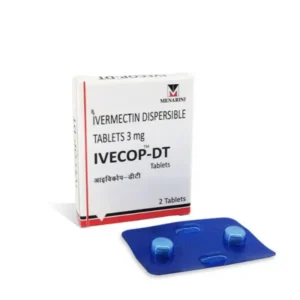
Ivecop DT 3mg (Ivermectin)
A$24.55 A$66.42Price range: A$24.55 through A$66.42
Next product
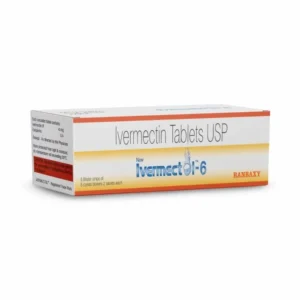
Ivermectol 6mg (Ivermectin)
A$95.30 A$268.58Price range: A$95.30 through A$268.58
A$25.99 A$76.53Price range: A$25.99 through A$76.53
In Stock
In Stock
Ivecop 6mg (Ivermectin)
| Pack Size | Price | Quantity | Add To Cart | |
|---|---|---|---|---|
| 20 Tablet/s | A$25.99 | |||
| 40 Tablet/s | A$51.98 | |||
| 60 Tablet/s | A$76.53 | |||
| Want to order in bulk / B2B price? Send Inquiry | ||||
×
Sorry!! Out of Stock
Sorry! Ivecop 6mg (Ivermectin) is out of stock
Please click below to view other similar medications.
View All Ivermectin Products
Offer You Can't Resist
Free Shipping
Enjoy Free Shipping on Orders above AUD304 (USD199)
Estimate Shipping :
26 July - 02 August
41
Processed quickly
The order was processed quickly, and the communication throughout was excellent
 Australia
July 17, 2026
Last Updated on April 13, 2026

Description
Ivecop 6mg (Ivermectin): Detailed Overview
Generic Name: Ivermectin
Brand Name: Ivecop
Drug Class: Antiparasitic agent (Avermectin class)
What is Ivermectin?
Ivermectin is an antiparasitic with a broad spectrum medicine used to treat a variety of human parasites. It’s highly efficient against various Nematodes (roundworms) as well as ectoparasites, such as scabies and lice.
Mechanism of Action
Ivermectin acts by binding specifically and with high affinity to glutamate-gated chloride Ion channels within the muscles and nerve parasite cells.
- The association enhances the permeability of chloride particles and causes an increase in the polarity of cell membranes, which leads to death and paralysis from the parasite.
- It is the ability to exert a particular action towards parasites since these glutamate-gated chloride channels do not exist in mammals.
Indications
Ivermectin can be used to treat many parasitic illnesses, which include:
- Onchocerciasis (river blindness)
- Strongyloidiasis
- Ascariasis
- Lice infestations
- Scabies
- Filariasis (certain types)
- Other parasitic infections with worms
Dosage and Administration
- The most common dose ranges from 150 to 200 mg/kg in one dose.
- To treat Scabies and lice, several doses of topical formulas are employed.
- Ivecop 6 mg tablets can be prescribed based on the individual’s weight.
Example dosing for adults:
- One or two tablets (6 mg per tablet) based on the weight and severity of infection.
- Always adhere to the physician’s prescriptions.
Pharmacokinetics
- Absorption: Absorbed orally, bioavailability is improved by foods
- Peak plasma concentration: 4 hours post-dose
- Half-life: Approximately 12-36 hours
- Metabolism: Hepatic, mainly by CYP3A4
- Excretion: Primarily fecal
Side Effects
Common side effects:
- Dizziness
- Nausea
- Diarrhea
- Fatigue
- Abdominal pain
- Itching or rash (especially in onchocerciasis)
Serious side effects (rare):
- Hypotension
- Severe allergic reactions (anaphylaxis)
- Neurological symptoms (uncommon seizures, or even confusion, particularly in large doses, or in patients suffering from CNS involvement.)
Contraindications
- Hypersensitivity to Ivermectin and any ingredients of the formulation
- It is not recommended for children who weigh less than 15kg body weight (safety not confirmed)
- Beware of patients suffering from significant liver impairment
Precautions
- Be cautious when using this medication in patients suffering from anencephalopathy or taking medications that cross the blood-brain barrier.
- It may be in contact may interact with CYP3A4 inducers or inhibitors.
- Do not use it in pregnancy If the benefits are greater than the risks.
- It is not recommended for nursing mothers unless it is essential.
Drug Interactions
- CYP3A4 inhibitors (e.g., ketoconazole or erythromycin) could increase ivermectin levels.
- Warfarin: Watch INR carefully; there may be interactions that have been reported.
- Other CNS depressants: Caution due to additive effects.
Patient Counseling
- Ivermectin is a medicine to take on an empty stomach and drink plenty of water, unless you are advised otherwise.
- Make sure you follow the dosage schedule.
- Notify any symptoms of a side effect like swelling, rash, or neurological signs immediately.
- Take the entire prescribed course even if your symptoms do not improve immediately.
Summary Table
| Feature | Details |
| Drug Name | Ivermectin (Ivecop) |
| Drug Class | Antiparasitic (Avermectin) |
| Indications | Onchocerciasis, strongyloidiasis, scabies, lice, other parasitic infections |
| Dosage | 150-200 mcg/kg orally (6 mg tablets dosed by weight) |
| Route | Oral |
| Common Side Effects | Dizziness, nausea, diarrhea, rash |
| Serious Side Effects | Allergic reactions, CNS effects (rare) |
| Contraindications | Hypersensitivity, children <15 kg |
| Metabolism | Hepatic CYP3A4 |
| Drug Interactions | CYP3A4 inhibitors, warfarin |
Additional Information
| Manufacturer | Menarini India Pvt Ltd |
|---|---|
| Pharmaceutical | Tablet/s |
| Strength | 6 mg |
| Pack Size | 20 Tablet/s, 40 Tablet/s, 60 Tablet/s |
Related products



Reviews
There are no reviews yet.