

Ivabrad 7.5mg (Ivabradine)
Previous product
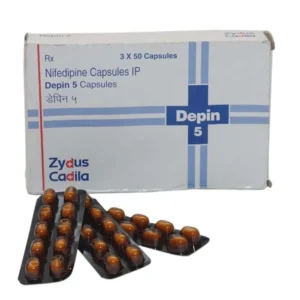
Depin 5mg (Nifedipine)
A$4.33 A$14.44Price range: A$4.33 through A$14.44
Next product
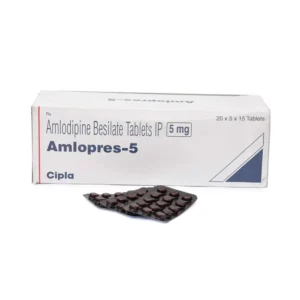
Amlopres 5 mg (Amlodipine Besilate)
A$28.88 A$98.19Price range: A$28.88 through A$98.19
A$47.65 A$112.63Price range: A$47.65 through A$112.63
In Stock
In Stock
Ivabrad 7.5mg (Ivabradine)
| Pack Size | Price | Quantity | Add To Cart | |
|---|---|---|---|---|
| 30 Tablet/s | A$47.65 | |||
| 60 Tablet/s | A$76.53 | |||
| 90 Tablet/s | A$112.63 | |||
| Want to order in bulk / B2B price? Send Inquiry | ||||
×
Sorry!! Out of Stock
Sorry! Ivabrad 7.5mg (Ivabradine) is out of stock
Please click below to view other similar medications.
View All Ivabradine Products

Offer You Can't Resist
Free Shipping
Enjoy Free Shipping on Orders above AUD304 (USD199)
Estimate Delivery :
25 September - 02 October
36
Very easy to order
I have been struggling with staying focused and maintaining productivity for years, particularly during long workdays. After researching various options, I decided to give Modalert 100 MG a try, and I can confidently say it has been a game-changer for me.
 Australia
February 11, 2025
Response from Modalertaustralia
Thank you for sharing your experience! We’re glad to hear Modalert 100 MG has helped support your focus and productivity during long days. Feedback like this means a lot to us and to others considering their options. Please continue to use the medication as directed, and feel free to reach out if you ever need assistance.
Last Updated on April 13, 2026

Description
Ivabrad 7.5mg (Ivabradine): A Complete Guide to This Heart Medication
Heart disease is among the main causes of sickness all over the world. There are many treatments available. Ivabrad 7.5mg contains an active component; Ivabradine is believed to have developed into a major medication to treat particular heart problems, specifically ones that have an increased heart rate.
In this post, we’ll look at the details of Ivabrad 7.5mg is what it is, how it works, who is recommended to take the drug, its advantages, potential adverse effects, and the most important precautions to bear in mind.
What is Ivabrad 7.5mg?
Ivabrad 7.5mg is a prescribed medicine that contains Ivabradine, which is a medication used primarily to lower the heart rate for patients suffering from certain heart diseases. It’s a member of a category of medicines known as Inhibitors of the If channel.
Contrary to beta-blockers that decrease heart rate, they alter blood pressure and the heart’s contraction. Ivabradine is a selective inhibitor of the heart rate by focusing on the heart’s natural pacemaker. It does not affect the myocardial contractility, blood pressure, or heart rate.
How Does Ivabradine Work?
Ivabradine acts by selectively inhibiting this “funny” present (If) in the sinoatrial (SA) node, the heart’s own natural heart’s pacemaker. This current is responsible for controlling the frequency of the heartbeat.
Through blocking the If channels, Ivabradine reduces the electrical signal that causes heartbeats, which results in a lower heart rate. It allows the heart to perform more effectively with a lower oxygen consumption, which is particularly beneficial when the heart is stressed or under stress.
What Conditions is Ivabrad 7.5mg Used For?
Ivabrad is often prescribed to treat:
- Chronic Stable Angina: The pain in the chest is caused by a decreased blood flow to the heart, and is particularly a problem in the event that beta-blockers do not work or in sufficient amounts.
- Heart Failure: In particular, patients with the condition known as systolic heart failure (reduced Ejection Fraction) with a resting heart rate that is 70 beats per minute or higher, despite treatment.
- Tachycardia: The condition is characterized by an unusually elevated resting rate of heart rate.
Dosage and Administration
Ivabrad 7.5mg is typically used two times a day in conjunction with meals. The dosage and duration will depend on the condition of the patient and the response.
- The starting dosage is usually 5mg once a day.
- Based on the tolerance of heart rate and response, the dosage can be adjusted to 7.5mg every day or decreased as needed.
- It’s crucial not to go over 7.5mg a day twice.
- Avoid chewing or crushing tablets. Take the tablets whole and drink water.
Benefits of Ivabrad
- Selective Heart Rate Reduction: Ivabradine specifically lowers the heart rate, without altering the blood pressure or contractility of the heart.
- Improves Exercise Capacity: Angina patients typically experience lower chest pain and a greater capacity to exercise.
- Reduces Hospitalization: If you suffer from chronic heart failure, Ivabradine reduces the risk of hospitalization because of the deterioration in heart disease.
- Well-Tolerated: It generally has fewer systemic negative effects when compared with beta-blockers.
Potential Side Effects
Common side effects include:
- Bradycardia (slow heart rate)
- Visual disturbances (phosphenes) — quick flashes of light, or visible brightness. Usually brief flashes of brightness or light, typically
- Dizziness or headache
- Fatigue
- Nausea
Serious Side Effects (Seek Medical Help):
- A severe slow heart rate that can cause fainting, dizziness, or fainting
- Palpitations or irregular heartbeats
- Allergic reactions (rash, swelling, difficulty breathing)
Precautions and Contraindications
- Do not use Ivabrad if your heart rate at rest is lower than 60 bpm per minute before starting treatment.
- Beware if you are suffering from hypertension (low blood pressure).
- Do not recommend for patients suffering from chronic heart failure that is decompensated.
- It is not recommended to use for patients suffering from Sinoatrial block, unless there is a functioning pacemaker.
- Be cautious with any other medication that reduces your heartbeat (e.g., beta-blockers, specific calcium channel blocking drugs).
- Women who are pregnant or nursing should not take Ivabrad unless it is recommended by a physician.
Drug Interactions
Ivabradine can interact with various drugs, which include:
- Effective antagonists to CYP3A4 enzyme (e.g., ketoconazole, clarithromycin, and ritonavir) that can raise the levels of Ivabradine and increase the risk of side-effects.
- Other medicines that can reduce heart rate (beta-blockers, diltiazem, and verapamil) could cause excessive bradycardia.
- Your healthcare professional should be aware of any medications or supplements you are taking.
Monitoring During Treatment
Doctors typically monitor:
- The heart rate, rhythm, and pulse are frequently monitored.
- Blood pressure.
- Signs of fatigue, dizziness, or confusion.
- If you notice any new symptoms of vision.
Lifestyle Tips While Taking Ivabrad
- Beware of driving and operating large machines until you are aware of what Ivabrad can affect you.
- Make sure you are eating a balanced and healthy diet. Also, do regular exercise, as suggested by your physician.
- Limit your intake of alcohol since it could cause more adverse effects.
- Be sure to take medication regularly and don’t stop taking it without consulting your physician.
Frequently Asked Questions (FAQs)
Q: Can Ivabrad be taken with food?
Yes, Ivabrad is a good choice. Ivabrad, in conjunction with food, improves the absorption of food and lessens stomach upset.
Q: What if I miss a dose?
Use it as quickly as you remember it if not too close to your next dose. Don’t double your dose.
Q: Can Ivabrad cure heart disease?
Ivabrad doesn’t cure heart disease, but it can reduce symptoms and improve the quality of life.
Q: Is Ivabrad safe for long-term use?
Yes, If monitored regularly, Ivabrad may be utilized for long periods of time.
Conclusion
Ivabrad 7.5mg (Ivabradine) is a specific treatment option for cardiac conditions that result in an elevated heart rate. Its ability to reduce heart rate selectively, without causing major changes in the heart’s contractility or blood pressure, is a great choice, particularly for those who are not able to take beta-blockers.
If you suffer from angina or heart failure, and your physician has suggested Ivabrad, be sure to follow their directions with care, and report any reactions that occur as well as attend follow-up visits regularly.
The health of your heart is crucial. Medications such as Ivabrad are powerful allies when utilized with caution.
Disclaimer: This blog is intended for educational purposes only. It’s not meant to substitute for expert medical guidance. Always seek advice from your physician before establishing or stopping any medicine.
Related products




Reviews
There are no reviews yet.