

Isokin 300mg (Isoniazid/Pyridoxine)
Previous product
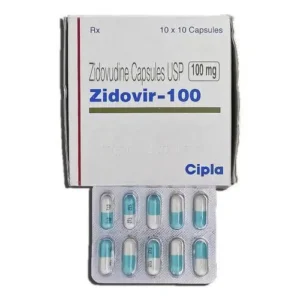
Zidovir 100mg (Zidovudine)
A$17.16 A$44.76Price range: A$17.16 through A$44.76
Next product

Pyzina 500mg (Pyrazinamide)
A$23.10 A$49.00Price range: A$23.10 through A$49.00
A$8.40 A$25.20Price range: A$8.40 through A$25.20
Out of Stock
Out of Stock
Isokin 300mg (Isoniazid/Pyridoxine)
| Pack Size | Price | Quantity | Add To Cart | |
|---|---|---|---|---|
| 30 Tablet/s | A$8.40 | |||
| 60 Tablet/s | A$16.80 | |||
| 90 Tablet/s | A$25.20 | |||
| Want to order in bulk / B2B price? Send Inquiry | ||||
×
Sorry!! Out of Stock
Sorry! Isokin 300mg (Isoniazid/Pyridoxine) is out of stock
Please click below to view other similar medications.
View All Isoniazid/Pyridoxine Products
Offer You Can't Resist
Free Shipping
Enjoy Free Shipping on Orders above AUD304 (USD199)
20
Last Updated on April 13, 2026

Description
Overview
Isokin 300 mg is a combination medicine that includes:
- Isoniazid (300 mg) – as a first-line anti-tuberculosis drug
- Pyridoxine (Vitamin B6) – usually used to reduce the neurotoxic side effects of isoniazid
This mixture is utilized as a treatment of tuberculosis active (as a component of multi-drug therapies) and for prophylaxis (prevention) for those suffering from latent tuberculosis, or who are at a high risk of developing it.
What is Isoniazid?
Isoniazid (INH) is one of the most efficient and frequently used medicines to treat Mycobacterium tuberculosis, the bacterium responsible for TB. It does this by inhibiting the production of mycolic acid, which is a crucial part of the cell wall of a bacterium.
- Bactericidal against active TB bacteria
- Bacteriostatic against dormant organisms
Mechanism of Action
Isoniazid is a prodrug that is activated by the enzyme of the bacterium. After activation, it disables the mycolic acid-related enzyme production. It weakens the bacterial wall and causes cell death.
What is Pyridoxine and Why Is It Included?
Pyridoxine (Vitamin B6) is included in Isokin to reduce one of the well-known negative side effects of Isoniazid: peripheral neuropathy. Isoniazid affects vitamin B6 metabolism. This could cause nerve damage when not supplemented.
- Pyridoxine is particularly important for:
- Diabetics
- Pregnant women
- HIV-positive individuals
- Alcoholics
- Malnourished patients
The typical dosage that ranges from 10-50 mg of Pyridoxine every day is enough to stop neuropathy in the majority of instances.
Indications and Uses
Isokin 300mg is used for:
- Treatment of Active TB
- Always in conjunction with additional TB medications, including Rifampicin, Ethambutol, and Pyrazinamide (DOTS regimen)
- Reduces resistance and improves efficiency.
- Latent TB Infection (LTBI)
- Utilized in conjunction with (usually over 6-9 months) to stop the growth of active TB
- Prophylaxis in:
- Friendships of active TB Patients
- HIV-positive individuals
- Healthcare workers
- Infants/children exposed to TB
- Dosage and Administration
Standard Adult Dose:
- Isoniazid 300 mg once daily
- Pyridoxine: 10-50 mg per day, typically mixed in the same tablet (as in Isokin)
Timing:
- The best way to take it is with a full stomach (1 hour before or 2 hours post-meal) to ensure optimal absorption
- Taken together with food when stomach discomfort occurs
Duration of Therapy:
- Latent TB: 6–9 months
- Active TB: A minimum of six months (usually as part of a 2-month intensive plus a 4-month resumption phase)
Important: The treatment should be monitored by a doctor and not stopped abruptly.
Side Effects and Adverse Reactions
Common Side Effects:
- Peripheral neuropathy (tingling, numbness in hands/feet)
- Gastrointestinal upset (nausea, vomiting)
- Elevated liver enzymes
Serious Side Effects:
- Hepatotoxicity (most serious; monitor liver function)
- Symptoms: fatigue, dark urine, jaundice, abdominal pain
- Seizures (rare, usually due to severe B6 deficiency)
- Psychiatric symptoms (rare: mood changes, memory issues)
- Rash or allergic reaction
Who’s at higher risk of side effects?
- People over 35
- Alcohol users
- Pre-existing liver disease
- HIV-infected individuals
- Pregnant women
Contraindications and Precautions
Do NOT use Isokin if:
- There is a previous background of chronic liver illness or acute liver disease
- As of now, there is no known hypersensitivity to Isoniazid or Pyridoxine
- A history of Hepatitis caused by drugs
Use with caution in:
- Alcoholics – High risk of damage to the liver
- Patients suffering from seizures
- Breastfeeding or pregnant women. Use only when the advantages outweigh the potential risks
- Monitoring and Safety
Regular Monitoring is Essential:
- Liver function tests (LFTs) – starting point and in the course of treatment
- Neurological assessment – Particularly for any signs of peripheral neuropathy, particularly peripheral
- Adherence checks – to stay clear of resistance
Patient Education:
- Do not consume the consumption of alcohol in treatment to lessen the risk of liver toxicity
- Have a look at any signs of damage to the liver immediately
- Avoid stopping or skipping treatments too early
- The medication should be taken regularly and in the same order throughout the day
- Check for any tingling or feeling of loss, which could indicate the need to increase the pyridoxine dosage
Drug Interactions
Isoniazid may interact with:
- Phenytoin/Carbamazepine – increased toxicity
- Warfarin – can enhance the anticoagulant effect
- Rifampicin – Combining use can increase liver toxicity risk
- Alcohol – additive hepatotoxicity
- Theophylline – levels may increase
Be sure to inform your physician of any medications or supplements you’re taking.
Use in Pregnancy and Breastfeeding
- Isoniazid can be considered to be relatively safe during pregnancy, in particular when the benefits are greater than the risk (e.g., the exposure to TB or infection)
- Supplementation with pyridoxine is vital during pregnancy to protect against neurotoxicity
- The medication is eliminated in breast milk. However, the drug is usually considered to be safe when monitored
Storage and Handling
- Maintain the room temperatures (15–30°C / 59–86°F)
- Be safe in your home from heat, humidity, and the light
- Be sure to keep it out of the reach of young children.
Advantages of Fixed-Dose Combination (FDC)
Isokin 300mg is a simple treatment method by mixes two elements into one tablet. The benefits include:
- Improved adherence
- Lower risk of side effects (due to automatic B6 supplementation)
- Convenient dosing
This is particularly useful for public health care programs as well as DOTS (Directly Observed Therapy and short-course) strategies, where medication compliance is a significant issue.
Conclusion
Isokin 300mg is an extremely efficient, extensively used drug to fight tuberculosis, as well as in treatment as well as prevention. The dual formula that combines Isoniazid along with Pyridoxine assists in increasing the safety of patients by stopping peripheral neuropathy, which is a frequent negative side effect associated with monotherapy isoniazid.
Affirmation of the treatment, frequent monitoring, as well as patient education will ensure positive results and minimise the risk. Always speak with a doctor for individualized advice. Never take medication on your own when it comes to TB treatment.
Related products



Recently Viewed



Reviews
There are no reviews yet.