
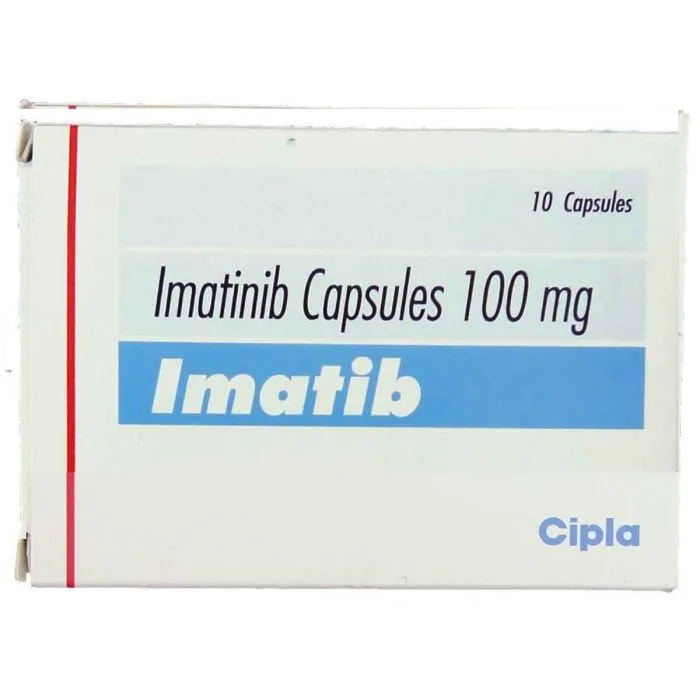
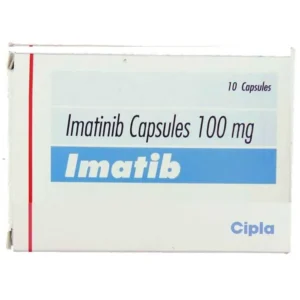
Imatib 100mg (Imatinib)
Previous product

Falcigo injection 60mg (Artesunate)
A$38.99 A$99.64Price range: A$38.99 through A$99.64
Next product
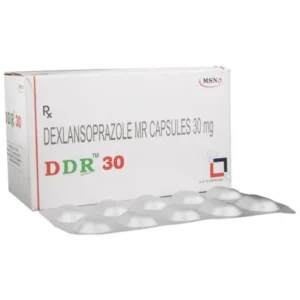
DDR 30mg (Dexlansoprazole)
A$28.88 A$79.42Price range: A$28.88 through A$79.42
A$62.09 A$180.50Price range: A$62.09 through A$180.50
In Stock
In Stock
Imatib 100mg (Imatinib)
| Pack Size | Price | Quantity | Add To Cart | |
|---|---|---|---|---|
| 30 Tablet/s | A$62.09 | |||
| 60 Tablet/s | A$121.30 | |||
| 90 Tablet/s | A$180.50 | |||
| Want to order in bulk / B2B price? Send Inquiry | ||||
×
Sorry!! Out of Stock
Sorry! Imatib 100mg (Imatinib) is out of stock
Please click below to view other similar medications.
View All Imatinib Products
Offer You Can't Resist
Free Shipping
Enjoy Free Shipping on Orders above AUD304 (USD199)
Estimate Shipping :
19 July - 26 July
24
Last Updated on April 13, 2026

Description
What is Imatinib?
Imatinib is an anti-cancer medication that is targeted and known as a tyrosine kinase inhibitor (TKI). It blocks specific proteins that aid in the growth of cancer cells, which makes it effective against a specific type of cancer.
Imatib 100 mg is the tablet dosage of 100 mg of imatinib.
Mechanism of Action
Imatinib is a drug that blocks the activities of BCR-ABL tyrosine Kinase, which is an unnatural enzyme created by the Philadelphia chromosome, a mutation that is found in a variety of cancers. This enzyme causes an uncontrolled growth of cancer cells.
- Inhibiting BCR-ABL by blocking it, Imatinib blocks the proliferation of cancer cells and triggers Apoptosis (cell destruction).
- It also blocks the other tyrosine kinases, such as c-KIT and PDGF receptors, which are implicated in various tumor growth pathways.
Indications
Imatinib is utilized to treat:
- Chronic Myeloid Leukemia (CML)
In particular, Philadelphia positive chromosomes (Ph+) CML. - Acute Lymphoblastic Leukemia (ALL)
Ph+ ALL. - Gastrointestinal Stromal Tumors (GIST)
Tumors that express cKIT or receptors. - Other malignancies
Such as dermatofibrosarcoma protuberans and certain myelodysplastic/myeloproliferative diseases.
Dosage and Administration
- The dose is based on the condition that the patient is undergoing treatment for.
- In the case of CML, Initial doses for CML typically are between 400 mg to 600 mg daily. Sometimes, they are broken down into two or one doses.
- To treat GIST dosage it typically is 400 mg per day.
- Tablets must be consumed by mouth with water. They can be taken either with or without food.
- The dosage adjustments depend on the response and reactions.
Side Effects
Common Side Effects:
- Nausea, vomiting, diarrhea
- Edema (swelling), especially around the eyes and legs
- Muscle cramps and pain
- Fatigue
- Rash
- Headache
Serious Side Effects:
- Myelosuppression (low blood cell counts) leading to anemia, infections, or bleeding
- Liver toxicity (monitor liver function)
- Fluid retention causing severe swelling or heart issues
- Gastrointestinal bleeding
- Heart failure (rare)
- Severe skin reactions (rare)
Precautions and Monitoring
- It is important to have regular blood tests to check for myelosuppression.
- Tests for the functioning of the liver must be conducted regularly.
- Be aware of any signs of heart function.
- Be cautious in patients who have an existing heart or liver disease.
- Breastfeeding and pregnancy are typically unsuitable for the treatment.
- The effects of drug interactions are significant. For instance, drugs that alter CYP3A4 enzymes may affect the levels of imatinib.
Drug Interactions
- CYP3A4 inhibitors (e.g., ketoconazole) raise imatinib levels.
- CYP3A4 inducers (e.g., rifampin) reduce effectiveness.
- Beware of warfarin and the other drugs that are metabolized through CYP enzymes.
Storage
- Keep tablets in a cool, dry place free of light and moisture.
- Make sure that the area is safe for youngsters.
Summary
Imatib 100 mg (Imatinib) is an innovative targeted treatment for diseases like chronic myeloid leukemia and intestinal tumors that are stromal. By preventing abnormal tyrosine Kinase activities, it assists in controlling the growth of cancer while ensuring controlled adverse effects. A careful monitoring of dosage and adjustment is essential to ensure the safest and most effective treatment.
Additional Information
| Manufacturer | Cipla Inc. |
|---|---|
| Pharmaceutical | Tablet/s |
| Strength | 100 mg |
| Pack Size | 30 Tablet/s, 60 Tablet/s, 90 Tablet/s |
Related products


Recently Viewed
Reviews
There are no reviews yet.