

Hyde Cream (Hydroquinone)
Previous product

Scabper Cream 30g (Permethrin)
A$5.60 A$23.80Price range: A$5.60 through A$23.80
Next product
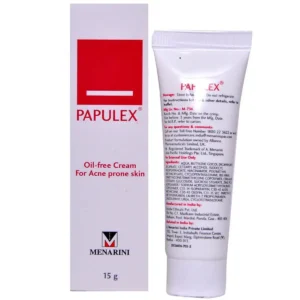
Papulex Cream (Nicotinamide/Zinc)
A$11.20 A$63.00Price range: A$11.20 through A$63.00
A$7.00 A$30.80Price range: A$7.00 through A$30.80
Out of Stock
Out of Stock
Hyde Cream (Hydroquinone)
| Pack Size | Price | Quantity | Add To Cart | |
|---|---|---|---|---|
| 1 Cream | A$7.00 | |||
| 3 Cream/s | A$16.80 | |||
| 6 Cream/s | A$30.80 | |||
| Want to order in bulk / B2B price? Send Inquiry | ||||
×
Sorry!! Out of Stock
Sorry! Hyde Cream (Hydroquinone) is out of stock
Please click below to view other similar medications.
View All Hydroquinone Products
Offer You Can't Resist
Free Shipping
Enjoy Free Shipping on Orders above AUD304 (USD199)
34
Best quality
Quality medicines at reasonable prices. Delivery was faster than expected, and everything arrived in perfect condition.
 Australia
May 24, 2026
Last Updated on April 13, 2026

Description
Hyde Cream (Hydroquinone): Everything You Need to Know
Skin discoloration issues like hyperpigmentation, Dark spots, melasma, and freckles Common issues that impact the majority of individuals. The conditions may affect confidence in oneself and the quality of one’s living. The most effective treatment for skin utilized in dermatology is a cream. It is because it is made up of Hydroquinone the active component.
In this post, we’ll look at the basics of what Hyde Cream is, how it functions, who can apply it, how you can apply it in a safe manner, and avoid any possible adverse effects and other important considerations.
What is Hyde Cream?
Hyde Cream is an application of cream for skin lightening that is composed of hydroquinone, which is typically found in concentrations of between 2% and 4%. Hydroquinone can be a powerful anti-pigmenting ingredient for the skin, which decreases the production of melanin, the pigment that gives skin its color.
Its ability to diminish dark spots as well as smooth skin tones, Hyde Cream is often used by dermatologists to treat:
- Melasma (Dark patches of dark spots, particularly around the face)
- Post-inflammatory hyperpigmentation (black marks following the eruption of acne or an injury)
- Freckles
- Lentigines (age spots or liver spots)
- Other forms of uneven pigmentation
How Does Hyde Cream Work?
Hydroquinone functions by slowing down an enzyme known as Tyrosinase that is essential in the production of melanin. Through blocking the activity of tyrosinase, the hydroquinone reduces melanin production inside melanocytes (skin pigment cells).
As a result:
- The dark spots are gradually getting lighter.
- The new pigmentation is less.
- Skin tone gets more uniform.
But it’s vital to remember that the effects typically occur over a period of weeks or months with regular use.
Who Should Use Hyde Cream?
Hyde Cream is suitable for people who:
- You may have Dark spots or melasma, freckles caused by sunlight exposure, hormone changes, or acne marks.
- Are looking to reduce the appearance of hyperpigmented spots on your face or in other places.
- If you are referred to a dermatologist, it is recommended to apply hydroquinone treatments.
It is not recommended for:
- Skin that is susceptible to irritation.
- Women who are pregnant or nursing (consult with a physician first).
- For patients with eczema, the skin is broken or irritated in the area of treatment.
How to Use Hyde Cream Safely
A proper application is crucial for achieving optimal outcomes and minimizing the negative consequences.
Application Steps:
- Cleanse your face with gentle pressure and dry it.
- Apply the thin coating of Hyde Cream over the affected areas at least two times a day (usually in the evening).
- Be careful not to apply it to normal, healthy skin to stop the lightening of normal skin.
- Cleanse your hands completely after applying.
- Apply sunscreen regularly throughout the course of treatment, and beware of excessive exposure to the sun.
- Do not mix it with other treatments for your skin unless you are advised by your dermatologist.
How Long Does It Take to See Results?
- The first signs of lightening can be felt in about 4-6 weeks.
- A significant improvement is usually achieved after between 8 and 12 weeks of continuous use.
- The duration of treatment should be monitored by a medical professional and typically recommended for treatment for short durations (up to four months) to prevent adverse effects.
Potential Side Effects of Hyde Cream
Although hydroquinone can be effective, it could cause unwanted side reactions, especially when used for a long time or inappropriate usage.
Common Side Effects:
- Mild skin irritation (redness, itching, burning)
- Dryness or peeling
Less Common but Serious Side Effects:
- Exogenous ochronosis: A rare condition that causes blue-black skin pigmentation following prolonged usage and especially for darker skin types.
- Allergic contact dermatitis
- Skin sensitivity increases to sunlight (photosensitivity)
Precautions and Warnings
- Don’t avoid using it on damaged, inflamed, or irritated skin.
- Do not use if you experience extreme redness, swelling, or a rash.
- Always wear a broad-spectrum sunscreen using SPF 30 or more before and following treatment.
- Don’t mix with strong bleaching agents or exfoliants without consulting your dermatologist.
- If you are pregnant or nursing, consult your physician prior to using.
- Place the cream in a cooler, dry location and away from direct light.
Who Should Avoid Hyde Cream?
- The people who are sensitive to hydroquinone and other ingredients found in the cream.
- People who have a history of precancerous or skin cancer.
- Skin disorders that are genetic conditions, such as vitiligo.
- Children who are younger than 12 (unless otherwise prescribed by a doctor).
Alternatives to Hyde Cream
If you are not able to use hydroquinone, alternatives include:
- Azelaic acid
- Kojic acid
- Vitamin C serums
- Retinoids
- Laser or chemical peels (performed by dermatologists under supervision)
Frequently Asked Questions (FAQs)
Q: Can I use Hyde Cream on my whole face?
Apply only on the affected areas in order to prevent excessive lightening and fading of the skin.
Q: Is Hyde Cream safe for long-term use?
No. Long-term use that is not in accordance with the recommended timeframe could result in adverse reactions such as ochronosis.
Q: Can I use makeup while on Hyde Cream?
Yes, Apply makeup only after the cream is completely absorbed.
Q: Can I get sunburn while using Hyde Cream?
Yes, skin gets more sensitive to the sun. Therefore, sunscreens and other protection measures are vital.
Conchttps://modalertaustralia.com/active-ingredient/hydroquinone/lusion
Hyde Cream (Hydroquinone) is an effective and efficient solution for various hyperpigmentation concerns in a controlled manner. It helps restore even skin tone and diminish pigmentation due to acne spots or sun-damaged skin.
But, because of the potential adverse effects and concerns about sensitivity, it is recommended to use it with the supervision of a dermatologist who ensures the strictest adherence to instructions for application and sun sunscreen.
If you have trouble with chronic concerns with pigmentation, talk to a dermatologist to determine whether Hyde Cream is right for you.
Additional Information
| Manufacturer | Menarini India Pvt Ltd |
|---|---|
| Pharmaceutical | Cream |
| Strength | 3% |
| Pack Size | 1 Cream, 3 Cream/s, 6 Cream/s |
Related products


Reviews
There are no reviews yet.