

Hetquenil 200mg (Hydroxychloroquine)
Previous product

Monobenzone cream (Monobenzone)
A$28.88 A$161.73Price range: A$28.88 through A$161.73
Next product
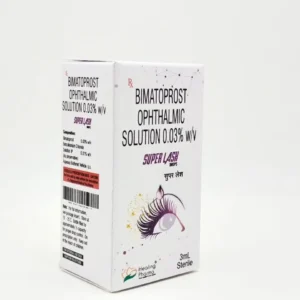
Super Lash 3ml (Bimatoprost)
A$134.64 A$448.77Price range: A$134.64 through A$448.77
A$119.85 A$290.24Price range: A$119.85 through A$290.24
In Stock
In Stock
Hetquenil 200mg (Hydroxychloroquine)
| Pack Size | Price | Quantity | Add To Cart | |
|---|---|---|---|---|
| 100 Tablet/s | A$119.85 | |||
| 200 Tablet/s | A$199.27 | |||
| 300 Tablet/s | A$290.24 | |||
| Want to order in bulk / B2B price? Send Inquiry | ||||
×
Sorry!! Out of Stock
Sorry! Hetquenil 200mg (Hydroxychloroquine) is out of stock
Please click below to view other similar medications.
View All Hydroxychloroquine Products

Offer You Can't Resist
Free Shipping
Enjoy Free Shipping on Orders above AUD304 (USD199)
Estimate Delivery :
19 September - 26 September
20
Very easy to order
I have been struggling with staying focused and maintaining productivity for years, particularly during long workdays. After researching various options, I decided to give Modalert 100 MG a try, and I can confidently say it has been a game-changer for me.
 Australia
February 11, 2025
Response from Modalertaustralia
Thank you for sharing your experience! We’re glad to hear Modalert 100 MG has helped support your focus and productivity during long days. Feedback like this means a lot to us and to others considering their options. Please continue to use the medication as directed, and feel free to reach out if you ever need assistance.
Last Updated on March 30, 2026

Description
Hetquenil 200mg (Hydroxychloroquine): Uses, Dosage, Benefits, and Side Effects
Hetquenil 200mg is the brand name of Hydroxychloroquine, which is a widely used medication that is used for the treatment of the symptoms of autoimmune disorders like Rheumatoid Arthritis, as well as systemic lupus erythematosus (SLE). It’s been getting recognition over time due to its numerous applications off-label and its role in the management of chronic inflammation.
In this post, we’ll look at the basics of what Hetquenil is and how it functions, as well as who it’s intended for and what precautions to follow when working with Hetquenil.
What is Hetquenil 200mg?
Hetquenil is a supplement that contains 200 mg hydroxychloroquine Sulfate, which is a form of chloroquine. It was originally developed to stop and cure malaria, hydroxychloroquine nowadays more frequently used to treat long-term treatment of immune disorders in the treatment of autoimmune conditions.
It’s part of a category of medications known as drug-modifying antirheumatics (DMARDs). They do not just relieve symptoms, but they can also reduce the severity of illness.
Medical Uses of Hetquenil (Hydroxychloroquine)
-
Rheumatoid Arthritis (RA)
The most frequent applications of Hetquenil is for managing rheumatoid arthritis. It can help:
- Reduce joint pain and swelling
- Improve mobility
- Prevent joint damage over time
-
Systemic Lupus Erythematosus (SLE)
In lupus, Hetquenil can reduce inflammation and help treat joint and skin issues. It has been found to:
- Improve survival
- Lower the risk of organ damage
- Reduce the need for steroids
-
Discoid Lupus Erythematosus
Hydroxychloroquine can be effective in the treatment of the cutaneous (skin-related) types of lupus, such as discoid Lupus. This is because it reduces the inflammation of the skin and causes lesions.
-
Malaria (Prevention and Treatment)
While it’s less prevalent in the present, Hetquenil can be used for the prevention and treatment of malaria, particularly in regions where the resistance to chloroquine is not as high.
-
Off-Label Uses
Other uses that are not on the label can include:
- Sjögren’s syndrome
- Sarcoidosis
- Porphyria cutanea tarda
- COVID-19 (Not currently recommended because of the absence of any evidence, and also possible unwanted side effects)
How Does Hetquenil Work?
The action of hydroxychloroquine is mediated by a variety of mechanisms:
- Immune Modulation: It lowers the activities that the immune system performs that can be overactive in the case of autoimmune disorders.
- Anti-inflammatory Effect: It decreases the production of specific chemicals that create inflammation and cause damage.
- Antimalarial Action: It inhibits growing parasites within red blood cells.
Dosage and Administration
Standard Dosage
- Adults (RA/SLE): In general, typically, 200-400 mg per day, depending on the health condition of the patient and their weight.
- Malaria prevention: 400 mg every week for a period of 1-2 weeks before the exposure, and lasting for four weeks after leaving the zone.
It’s usually consumed every day, either once or twice, in conjunction with meals to ease stomach discomfort.
Duration
- To treat autoimmune conditions, Hetquenil is usually taken in the long run.
- It could be some weeks or even months for you to feel the full consequences.
Important Tips:
- Avoid chewing or crushing the tablet.
- Make sure to do it at the same time each day for the maximum outcomes.
- Avoid stopping the medicine suddenly unless instructed by your physician.
Side Effects of Hetquenil 200mg
As with all medications, Hetquenil can cause side effects. Many are manageable and mild. However, some may need the removal of the medication.
Common Side Effects
- Nausea
- Stomach cramps
- Diarrhea
- Headache
- Dizziness
- Skin rash
Less Common But Serious Side Effects
- Eye Toxicity (Retinopathy)
- In the long run, prolonged usage could cause damage to the retina, creating vision problems or blindness.
- Risk is increased after five years of usage or when taking more doses.
- A regular schedule of eye examinations (every six to twelve months) is vital.
- Heart Issues
- In rare instances, it could lead to cardiovascular myopathy or QT prolongation, which affects the rhythm of the heart.
- Muscle Weakness
- Neuromyopathy and myopathy may occur in a few cases.
- Low Blood Sugar (Hypoglycemia)
- Even in non-diabetics, Hetquenil may cause sudden drops in blood sugar.
- Severe Skin Reactions
- While rare, diseases like Stevens-Johnson Syndrome may occur.
Who Should Not Take Hetquenil?
Beware of or avoid using when using the following substances:
- Retinal eye condition
- Patients who suffer from a history of cardiac arrhythmias
- Patients suffering from psoriasis (which can cause the condition to worsen)
- Breastfeeding or pregnant women (only on medical advice)
- children younger than 6 years or with a weight of less than 35kg
Drug Interactions
Hetquenil can interact with:
- Antacids: Can reduce absorption. Hetquenil at least four hours after each other.
- Digoxin: Could increase levels of digoxin.
- Insulin or antidiabetic drugs: Increases the chance of having hypoglycemia.
- Drugs that prolong QT interval: It can increase the chance of developing arrhythmias.
Make sure you inform your physician of any medications you’re using.
Monitoring and Follow-up
Before Starting:
- Baseline eye exam
- Tests for blood for kidney and liver function
- ECG in the event of any cardiac activity
During Treatment:
- Regular eye exams
- Blood monitoring (CBC, liver enzymes)
- Tracking of symptoms to determine their effectiveness as well as adverse effects
Tips for Safe Use
- Stick to the prescribed dose: A dose that is too high could result in death.
- Report any visual changes: Blurred vision, halos, or difficulty focusing.
- Avoid alcohol: It could increase liver toxicity.
- Stay hydrated and take it with food: To reduce gastrointestinal discomfort.
Hydroxychloroquine and COVID-19: A Note of Caution
Hydroxychloroquine was the subject of attention in the initial stages of the COVID-19 epidemic. However, the major clinical studies have concluded that it doesn’t stop or treat COVID-19 efficiently and could cause negative, unwanted side effects for some sufferers. It’s no longer suggested for COVID-19 other than in clinical trials.
Conclusion
Hetquenil 200mg (Hydroxychloroquine) remains a key ingredient in treating autoimmune disorders like lupus or rheumatoid arthritis. If it is used in a controlled manner and with medical supervision, it’s generally healthy and well-tolerated. However, because it could cause adverse side effects, particularly those affecting the heart and eyes, it is a matter of constant surveillance.
Related products


Recently Viewed
Reviews
There are no reviews yet.