
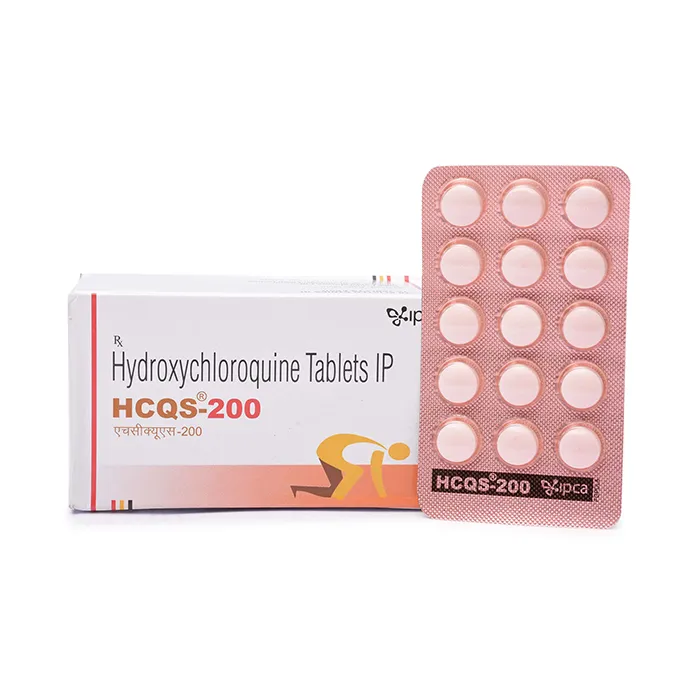
HCQs 200mg (Hydroxychloroquine Sulfate)
Previous product
Aquamet Nasal Spray (Mometasone Furoate)
A$30.80 A$133.00Price range: A$30.80 through A$133.00
Next product
Sildigra 25mg (Sildenafil Citrate)
A$91.00 A$226.80Price range: A$91.00 through A$226.80
A$121.80 A$285.60Price range: A$121.80 through A$285.60
In Stock
In Stock
HCQs 200mg (Hydroxychloroquine Sulfate)
| Pack Size | Price | Quantity | Add To Cart | |
|---|---|---|---|---|
| 105 Tablet/s | A$121.80 | |||
| 210 Tablet/s | A$201.60 | |||
| 300 Tablet/s | A$285.60 | |||
| Want to order in bulk / B2B price? Send Inquiry | ||||
×
Sorry!! Out of Stock
Sorry! HCQs 200mg (Hydroxychloroquine Sulfate) is out of stock
Please click below to view other similar medications.
View All Hydroxychloroquine Sulfate Products

Offer You Can't Resist
Free Shipping
Enjoy Free Shipping on Orders above AUD304 (USD199)
Estimate Shipping :
08 June - 15 June
47
Last Updated on March 30, 2026

Description
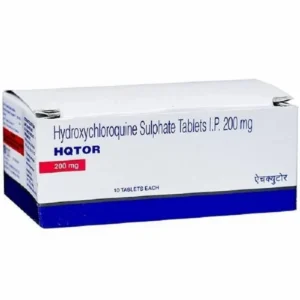
Comprehensive Guide to HCQ 200 mg (Hydroxychloroquine Sulfate)
HCQ 200 mg (Hydroxychloroquine Sulfate) is a medicine with a long-standing history of usage, mostly known because of its effectiveness in treating malaria. In the present, it’s frequently prescribed to treat autoimmune conditions, including rheumatoid and Lupus. This article gives a complete review of HCQ 200 mg tablets definition and how they function, as well as when and how you can utilize them, the safety aspects, and other important info for those suffering from the disease.
What is Hydroxychloroquine Sulfate (HCQ)?
Hydroxychloroquine Sulfate is a substance that was initially developed to be an antimalarial drug. Its chemical structure is comparable to chloroquine, but it has more safety features. HCQ is an oral drug typically available in tablets of 200 mg. It can be prescribed globally under a variety of brands.
Though it was originally utilized to treat and prevent malaria, hydroxychloroquine also has anti-inflammatory and immunomodulatory properties, which have proven it useful for treating chronic autoimmune disorders.
How Does HCQ Work?
-
Antimalarial Action
The HCQ treatment works against malaria parasites by enhancing the level of pH in vacuoles that contain parasites within red blood cells, thereby limiting their capacity to multiply and live. It basically blocks parasites’ expansion within the body of the victim.
-
Immunomodulatory and Anti-inflammatory Effects
To treat autoimmune disorders such as rheumatoid arthritis and systemic lupus erythematosus (SLE), HCQ modulates the immune system. It blocks the interaction between immune cells. It also reduces inflammation and reduces ineffective immune response, which causes the destruction of tissues.
HCQ is thought to:
- Inhibit antigen presentation
- Suppress T-cell activation
- Decrease production of inflammatory cytokines
They can help alleviate discomfort in joints as well as swelling and reactions that are associated with autoimmune conditions.
Common Medical Uses of HCQ 200 mg
-
Malaria Prevention and Treatment
HCQ has been proven to be effective against many kinds of malaria parasites and is commonly used in treatment (prophylaxis) and treatment of the endemic regions.
-
Rheumatoid Arthritis
For rheumatoid arthritics, HCQ assists in controlling the joint inflammation, limiting joint damage, and improving physical functioning.
-
Systemic Lupus Erythematosus (SLE)
The use of HCQ is an essential part of the treatment of lupus, specifically those that affect the joints and skin. It can reduce the severity of the disease as well as enhance the overall prognosis.
-
Other Autoimmune Diseases
It is also given off-label in cases like Sjogren’s syndrome, chronic discoid lupus, and certain skin conditions.
-
Additional Uses
Recently, HCQ has been researched to find other uses, for instance, certain viral infections as well as chemotherapy for cancer. However, there is no established commonplace.
How to Take HCQ 200 mg
- Dosage can vary depending on the illness that is being addressed.
- To aid in preventing malaria, an adult dose of 400 mg every week, beginning 1-2 weeks before travel into an area with endemic malaria in the travel phase, as well as for 4 weeks after leaving.
- To treat the treatment of lupus and rheumatoid arthritis, dosages for daily use range between 200 mg and 400 mg. usually, they are divided into two or one dose.
- The duration of treatment is usually prolonged in the case of autoimmune disorders for the purpose of maintaining control over symptoms.
Important Tips:
- Use HCQ in conjunction with milk or food to help reduce stomach upset.
- Take tablets whole and drink water.
- Be sure to adhere strictly to the prescription dosage.
- A regular check-up with your health physician is vital, particularly in the long-term usage.
Side Effects of Hydroxychloroquine
Though generally well-tolerated, HCQ can cause side effects. Certain side effects are minor and temporary, and others may require medical treatment.
Common Side Effects:
- Nausea or stomach discomfort
- Diarrhea
- Headache
- Dizziness
- Skin rash or itching
Serious Side Effects (Less Common):
- Retinopathy: In the long run, prolonged use could result in damage to the retina, which could lead to loss of vision. The risk is increased with higher dosages and long-term therapy.
- Cardiac effects: Very rarely, HCQ can cause abnormal cardiac rhythms or cardiomyopathy.
- Muscle weakness or neuropathy
- Hypoglycemia: HCQ may lower blood sugar levels, and diabetics should keep an eye on glucose.
- Allergic reactions (rare)
Monitoring and Precautions
Given the risk of severe side effects, particularly in the long-term use of HCQ, people who are taking HCQ must undergo periodic medical examinations. This includes:
- Eye exams: Annual and baseline ophthalmologic examinations following 5 years of use (or sooner if risk factors are present).
- Blood tests: For monitoring kidney and liver function. It also monitors to monitor blood counts.
- Heart monitoring: Patients who have a history of cardiac conditions or symptoms, such as the sensation of palpitations.
Who Should Avoid HCQ?
Some individuals should stay clear of or make use of HCQ with caution:
- Patients who are allergic to hydroxychloroquine or other related medications.
- Patients suffering from already-existing retinal diseases or problems with vision.
- Patients suffering from heart arrhythmias or heart conditions.
- Breastfeeding or pregnant women need to visit their physician for advice because HCQ traverses the placenta and can be found in breast milk. However, it can be used under the supervision of a medical professional.
Drug Interactions
The HCQ drug may interact with other medicines that may increase the chance of having side reactions or decrease effectiveness:
- Antacids can reduce the absorption of the HCQ.
- Digoxin, as well as other heart medications, may alter levels.
- Other medicines that increase the QT time (certain medications, such as antipsychotics and antibiotics) could increase the risk of heart arrhythmias.
- Insulin or oral hypoglycemics: Adjustments to dosages may be required since HCQ may boost its effects.
Be sure to inform your doctor about any medications or supplements that you consume.
Overdose and What to Do
Dosing too much hydroxychloroquine is dangerous and needs immediate medical treatment. The symptoms could be:
- Severe dizziness or fainting
- Visual disturbances
- Seizures
- Heart problems
If there is a suspicion of an overdose, you should seek medical attention immediately.
Hydroxychloroquine and COVID-19
Hydroxychloroquine was the subject of a lot of attention during the COVID-19 pandemic, as an effective treatment or prophylactic medication. However, numerous studies have shown little or no benefits for COVID-19. Major medical authorities have not recommended HCQ to treat COVID-19 outside of clinical research.
Summary
Hydroxychloroquine Sulfate 200 mg is an effective medication with demonstrated benefits for preventing and treating malaria, and also in managing autoimmune conditions like rheumatoid arthritis and Lupus. It’s generally effective when it is used according to the prescription; however, it requires careful supervision to prevent serious but rare adverse effects.
If you’re prescribed HCQ, it is essential to use the medicine precisely as prescribed, and attend regularly scheduled follow-up appointments as well as report any abnormal symptoms immediately.
Always seek advice from your physician before stopping or starting the hydroxychloroquine medication or other medications.
Related products



Recently Viewed

Reviews
There are no reviews yet.