
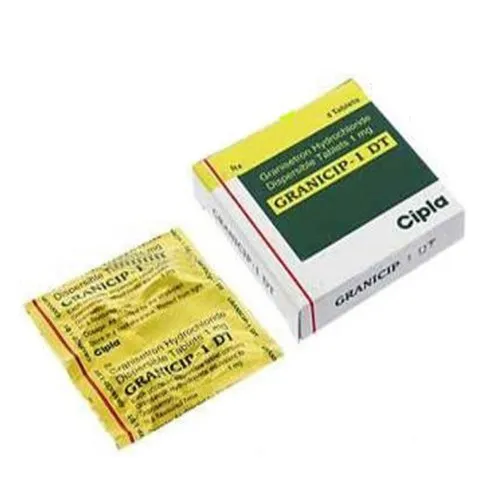
Granicip (Granisetron)
Previous product
Emeset 8mg (Ondansetron)
$54.00 $83.00Price range: $54.00 through $83.00
Next product
Perinorm CD 15mg (Metoclopramide)
$18.00 $31.00Price range: $18.00 through $31.00
$28.00 $80.00Price range: $28.00 through $80.00
In Stock
In Stock
Granicip (Granisetron)
| Pack Size | Price | Quantity | Add To Cart | |
|---|---|---|---|---|
| 28 Tablet/s | $28.00 | |||
| 56 Tablet/s | $54.00 | |||
| 84 Tablet/s | $80.00 | |||
| Want to order in bulk / B2B price? Send Inquiry | ||||
×
Sorry!! Out of Stock
Sorry! Granicip (Granisetron) is out of stock
Please click below to view other similar medications.
View All Granisetron Products

Offer You Can't Resist
Free Shipping
Enjoy Free Shipping on Orders above AUD304 (USD199)
Estimate Shipping :
27 August - 03 September
37
Last Updated on March 30, 2026

Description
Understanding Granicip (Granisetron): Uses, Benefits, Side Effects, and More
Granicip is an official brand name used for Granisetron, which is a prescribed medicine that is used mostly to treat and cure vomiting and nausea due to chemotherapy, radiation therapy, and surgery. It is classified by the FDA as a 5-HT3 receptor antagonist. Granisetron works by stopping the effects of serotonin, which is a naturally occurring chemical in our body that triggers vomiting.
In this comprehensive blog post, we’ll discuss the way Granicip operates, its uses in clinical practice, dose guidelines, adverse consequences, safety measures, along other crucial factors to help you learn about this drug better.
What Is Granicip (Granisetron)?
Granicip is the name used of Granisetron Granisetron, one of the medications in the antiemetic class of drugs. The drug is often utilized in the oncology setting to decrease nausea and vomiting (CINV) and can also help reduce similar symptoms associated with postoperative radiation procedures.
Granisetron can be purchased in a variety of types, including:
- Oral tablets
- Injections (IV/IM)
- Transdermal patches (in some formulations)
Granicip is usually available in tablet form for oral consumption, which is used under the supervision of a physician based on the needs of the patient.
How Does Granicip Work?
Granicip (Granisetron) operates through inhibiting serotonin (5-hydroxytryptamine or 5-HT3) receptors found in the gut and brain. Serotonin, a neurotransmitter, is involved in a myriad of bodily functions, which include digestion, mood, and nausea.
In the course of radiation or chemotherapy, significant amounts of serotonin are released into the digestive system. It stimulates the 5-HT3 receptors, which send signals to the brain’s vomiting centre, which can lead to vomiting and nausea. Granicip blocks these receptors, delaying the signaling and decreasing or eliminating the signs.
Clinical Uses of Granicip
Granicip is a drug that has been deemed safe and recommended in the following indications:
-
Chemotherapy-Induced Nausea and Vomiting (CINV)
It is usually prescribed in conjunction with chemotherapy to stop acute nausea and vomiting. In some instances, it could also be prescribed for symptoms that are delayed, which occur within 24 hours of chemotherapy.
-
Radiation-Induced Nausea and Vomiting
Radiotherapy patients, especially on the abdomen or across the body, can be prone to nausea. Granicip may help reduce the effects of this.
-
Postoperative Nausea and Vomiting (PONV)
Following surgery, those with general anesthesia can be nauseated. The drug Granicip may be employed to treat or prevent the condition.
Dosage and Administration
The dose of Granicip is dependent upon the illness being treated, the patient’s weight, age, and liver function. The mode of the administration.
Typical Dosage Guidelines:
- Oral tablets (1 mg or 2 mg):
- For CINV: 2 mg daily or 1 mg twice a day in the beginning before chemotherapy, and lasting for 24-48 hours.
- For radiation therapy: Usually, two mg are taken just one hour before the treatment.
- For PONV: A single dose of medication is normally administered before the induction of anesthesia.
- Injection form:
- In most cases, hospitals are under direct supervision.
Always adhere to the physician’s guidelines strictly and do not alter the dosage without consulting a medical professional.
Possible Side Effects of Granicip
Similar to all drugs, Granicip may cause side effects. The majority of people are able to tolerate it; however, some individuals may suffer minor to moderate side effects.
Common Side Effects:
- Headache
- Constipation
- Dizziness
- Fatigue
Less Common Side Effects:
- Diarrhea
- Insomnia
- Appetite loss
- Abdominal pain
Rare and Serious Side Effects:
- Allergic reactions (rash, itching, swelling)
- Difficulty breathing
- Irregular heartbeat
- Serotonin syndrome (particularly when paired, especially when combined with other serotonergic medications)
If severe adverse negative side effects occur, medical attention must be sought out immediately.
Precautions and Warnings
Before commencing to take Granicip, the patient should inform their physician about any health history, especially if they suffer from:
- Heart rhythm problems
- Liver disease
- Intestinal disorders (e.g., bowel obstruction)
- Allergy to granisetron or other 5-HT3 antagonists
Pregnancy and Breastfeeding:
- Granicip shouldn’t be used in pregnancy only if necessary or prescribed by a healthcare professional.
- It’s not clear whether Granisetron is absorbed through breast milk. So the mother should be aware of this mothers.
Drug Interactions:
Granicip can be incompatible with other medicines, including:
- SSRIs and SNRIs (e.g., fluoxetine, sertraline)
- Tramadol
- MAO inhibitors
- Other antiemetic medications
The interactions could increase the chance of serotonin syndrome, which is a life-threatening illness. Make sure to share the complete medication list with your medical professional.
Advantages of Using Granicip
- Highly effective: It has been proven to be effective in preventing severe and delayed nausea.
- Well-tolerated: Most patients experience minimal side effects.
- Versatile: It is available in a variety of formulations to suit diverse demands.
- Predictable pharmacokinetics: Provides constant relief in a variety of situations in the clinic.
Comparison With Other Antiemetics
Granicip is one of the 5-HT3 antagonist classes along with others, including Ondansetron along Palonosetron. The following is a comparison:
| Feature | Granicip (Granisetron) | Ondansetron | Palonosetron |
| Duration of action | Moderate | Short | Long |
| Dosing frequency | Once or twice daily | Every 8–12 hours | Once every 2–3 days |
| Cost | Moderate | Lower (generic widely available) | Higher |
Granicip is a good compromise between efficiency and length of time, making it an ideal option for many doctors.
Storage and Handling
Granicip tablets must be stored at room temperature and far from heat and moisture. Make sure the tablets are safe from the reach of young kids and dispose of old tablets promptly.
When to Contact a Doctor
Patients must seek medical attention in the event of:
- Swelling of the face, tongue, or throat
- Difficulty breathing
- Severe dizziness or fainting
- Symptoms of serotonin syndrome (confusion, agitation, rapid heartbeat, high fever)
Check-ups are crucial to anyone who is taking antiemetic drugs for a long time.
Conclusion
Granicip (Granisetron) is a potent and efficacious antiemetic widely used to treat nausea and vomiting resulting from chemotherapy, radiation, and surgical procedures. Its action mechanism concentrates on serotonin pathways, allowing some relief from the painful negative side effects that can result from cancer treatment as well as surgery.
Although generally a safe medication and is tolerated, Granicip should always be taken under the supervision of a medical professional to avoid adverse effects as well as interactions with other drugs. If Granicip is prescribed, patients are advised to adhere to the dosage guidelines, notify any adverse side effects immediately, and speak with their healthcare physician if they have any questions.
Always remember: Controlling symptoms such as nausea can be a vital component of the entire treatment, and drugs like Granicip play an essential part in improving your quality of life during difficult treatment.
Additional Information
| Manufacturer | Cipla Ltd |
|---|---|
| Pharmaceutical | Tablet/s |
| Strength | 1 mg |
| Pack Size | 28 Tablet/s, 56 Tablet/s, 84 Tablet/s |
Related products




Reviews
There are no reviews yet.