

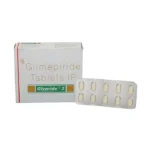
Glypride 4mg (Glimepiride)
Previous product

Glypride 2mg (Glimepiride)
A$13.00 A$33.21Price range: A$13.00 through A$33.21
Next product

Invokana 100mg (Canagliflozin)
A$54.87 A$155.95Price range: A$54.87 through A$155.95
A$21.66 A$57.76Price range: A$21.66 through A$57.76
In Stock
In Stock
Glypride 4mg (Glimepiride)
| Pack Size | Price | Quantity | Add To Cart | |
|---|---|---|---|---|
| 30 Tablet/s | A$21.66 | |||
| 60 Tablet/s | A$40.43 | |||
| 90 Tablet/s | A$57.76 | |||
| Want to order in bulk / B2B price? Send Inquiry | ||||
×
Sorry!! Out of Stock
Sorry! Glypride 4mg (Glimepiride) is out of stock
Please click below to view other similar medications.
View All Glimepiride Products

Offer You Can't Resist
Free Shipping
Enjoy Free Shipping on Orders above AUD304 (USD199)
Estimate Shipping :
10 September - 17 September
33
Fast Support
Customer support was excellent. My questions were answered promptly and the team was very helpful throughout the process. The order was handled efficiently and professionally
 Australia
August 15, 2026
Last Updated on March 29, 2026

Description
Introduction
The effective management of type 2 diabetes usually requires a mixture of lifestyle modifications and prescription medications. Of the oral anti-diabetic medications, Glimepiride is widely prescribed because of its effectiveness in controlling glucose levels. One of the most commonly prescribed brands of Glimepiride is Glypride 4mg. This blog is designed to give complete information about Glypride 4mg. This includes its usage, dosage, as well as the mechanism of its effect, adverse reactions, warnings, and much more.
What is Glypride 4mg?
Glypride 4mg is a prescription medicine that has Glimepiride as the active ingredient. Glimepiride is part of a group of medicines known as Sulfonylureas and is used in the treatment of the condition of type 2 diabetes. It assists in lowering blood sugar levels by stimulating the pancreas to release insulin.
The medication is usually utilized in conjunction with a healthy lifestyle as well as regular physical exercise. It can be prescribed as a stand-alone or as a part of a combination with other medications that treat diabetes, such as metformin or insulin, in cases where blood sugar levels aren’t controlled enough by any one medication all by itself.
How Glypride 4mg Works
Glypride 4mg acts directly upon the pancreas. It causes the beta cells of the pancreas and trigger insulin, which is a hormone that assists in controlling blood sugar levels. In contrast to insulin injections, which directly supplement the hormone insulin, Glypride boosts your body’s natural ability to create and utilize insulin more efficiently.
Additionally, it increases insulin production. Glimepiride also improves insulin sensitivity in peripheral tissues, such as muscles and fat, which allows the body to utilize glucose with greater efficiency.
Indications for Use
Glypride 4mg is indicated to treat:
- The management of diabetes mellitus type 2 for adults
- Patients with high blood sugar levels cannot be adequately controlled by exercise or diet alone
- Patients who require a mixture of insulin or oral medications to improve glycemic control
Dosage and Administration
The dose of Glypride 4 mg should be determined depending on the patient’s present blood sugar levels, their eating habits, levels of exercise, as well as other medical issues. A common starting dose is 1mg to 2mg every day or more frequently, but it can be gradually increased depending on the response of the patient.
Glypride 4mg should be consumed each day at breakfast or as the main dinner of the day. Combining it with food will help lower the chance of having lower blood sugar (hypoglycemia). It is crucial to use the medicine regularly throughout the day to keep a regular blood sugar level.
Don’t alter the dosage or cease the treatment without consulting a medical professional.
Benefits of Glypride 4mg
- Effective Glucose Control: Reduces the post-meal blood sugar and fasting levels.
- Convenient Dosage: Most commonly, it is taken daily, increasing the adherence.
- Can Be Combined with Other Drugs: It is effective with metformin, insulin, or any other agent for monotherapy when it is not enough.
- Cost-Effective: It is often cheaper than more recent antidiabetic medicines.
Possible Side Effects
Similar to all drugs, Glypride 4mg may cause adverse effects. Most commonly, they are:
- Hypoglycemia (Low Blood Sugar): The most important adverse consequence. It can cause dizziness, sweating or confusion, blurred vision, shakes, hunger, and dizziness. In severe cases, it can cause involuntary unconsciousness.
- Weight Gain: Sulfonylureas may cause a slight weight gain as a result of higher insulin activity.
- Gastrointestinal Issues: Vomiting, nausea, or abdominal pain can be experienced by the majority of patients.
- Allergic Reactions: It is rare, but it can be accompanied by the appearance of a rash, itching, or swelling.
- Liver Enzyme Changes: In some rare instances, the condition can affect the function of the liver.
If persistent or severe negative side effects develop, Medical attention must be sought right away.
Precautions and Warnings
- Not for Type 1 Diabetes: Glypride does not affect type 1 diabetic ketoacidosis or diabetes.
- Risk of Hypoglycemia: A higher risk of developing the disease in older people, patients suffering from impaired liver or kidney function, and those who have irregular eating patterns.
- Pregnancy and Breastfeeding: It is not recommended to take it unless a doctor has prescribed it. The use of insulin is typically recommended in pregnancy.
- Alcohol Use: Alcohol consumption while taking Glypride increases the risk of having low blood sugar levels.
- Surgery and Stress Conditions: Blood sugar levels may fluctuate during surgery, infections, or stress. In the event of an infection, insulin therapy is necessary.
- Driving and Machinery: People who suffer from hypoglycemia are advised to avoid taking a drive or using heavy machinery.
Drug Interactions
Glypride 4mg can interfere with other drugs. Certain medications may enhance its blood sugar-lowering effects, whereas others could decrease its effect. Be sure to inform your doctor of the medications you take and, in particular:
- Beta-blockers
- NSAIDs (like ibuprofen)
- Blood thinners (like warfarin)
- Other antidiabetic medications
- Diuretics
- Corticosteroids
Monitoring Requirements
Monitoring of the blood glucose levels is crucial during treatment with Glypride 4mg. Also, the regular checking of the following:
- HbA1c (every 3-6 months)
- Kidney function
- Liver function
It is suggested to make sure that it is effective and safe.
Lifestyle Recommendations While on Glypride 4mg
- Balanced Diet: Choose a diet high in fiber, veggies, as well as lean proteins, as well as carbs with a low glycemic index.
- Exercise Regularly: Try to do at the very least thirty minutes of light physical activity every day.
- Avoid Skipping Meals: It is particularly important to guard against the risk of having low blood sugar while taking Sulfonylureas.
- Stay Hydrated: Particularly in the summer months and during exercise.
Missed Dose
If you have missed a dose of Glypride 4mg, make sure you do it as soon as you can remember it, unless you are nearing the time to take the next dose. Don’t take a second dose in order to compensate for an absence, as it increases the chance of developing hypoglycemia.
Overdose
In the event of an overdose, Glypride 4mg may cause extreme hypoglycemia. The symptoms could be:
- Fainting
- Seizures
- Confusion
- Loss of consciousness
If you suspect that you have taken a poison, seek immediate medical attention.
Storage Instructions
Keep Glypride tablets of 4mg in a dry, cool location free of the sun’s rays and humidity. Be sure to keep them out of the kids’ reach.
Frequently Asked Questions (FAQs)
Q1: Can Glypride 4mg be taken long-term?
Yes, many patients use Glypride as a long-term treatment for type 2 diabetes, as long as it’s safe and effective when under medical supervision.
Q2: Is Glypride the same as Glimepiride?
Glypride is a trademarked name. Glimepiride is the generic name for its active ingredient. Many brands have Glimepiride that have similar effectiveness.
Q3: What should I do if I experience frequent low blood sugar?
Talk to your physician. The dosage you are taking may require adjustments, or you might require changes to activities, diet, or any other medications.
Q4: Can I stop Glypride if my sugar levels are normal?
No. The normal levels of sugar indicate that it is working. In the event of abrupt discontinuation, the blood sugar levels increase again.
Conclusion
Glypride 4mg (Glimepiride) is an effective and reliable solution for controlling type 2 diabetes in cases where actions taken by a person’s lifestyle alone are not sufficient. It is a great option for levels of blood sugar; it should be handled with care and regularly monitored to prevent problems, including hypoglycemia. Be sure to follow the instructions of your doctor and remain in constant discussion about any issues or adverse reactions you may experience.
Additional Information
| Manufacturer | Sun Pharma |
|---|---|
| Pharmaceutical | Tablet/s |
| Strength | 4mg |
| Pack Size | 30 Tablet/s, 60 Tablet/s, 90 Tablet/s |
Related products







Reviews
There are no reviews yet.