

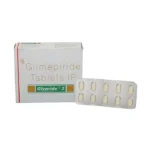
Glypride 1mg (Glimepiride)
Previous product

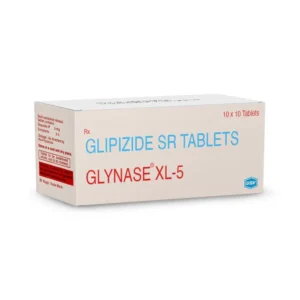
Glynase XL 10mg (Glipizide)
A$16.85 A$25.27Price range: A$16.85 through A$25.27
Next product

Glypride 2mg (Glimepiride)
A$12.63 A$32.29Price range: A$12.63 through A$32.29
A$9.83 A$25.27Price range: A$9.83 through A$25.27
In Stock
In Stock
Glypride 1mg (Glimepiride)
| Pack Size | Price | Quantity | Add To Cart | |
|---|---|---|---|---|
| 30 Tablet/s | A$9.83 | |||
| 60 Tablet/s | A$18.25 | |||
| 90 Tablet/s | A$25.27 | |||
| Want to order in bulk / B2B price? Send Inquiry | ||||
×
Sorry!! Out of Stock
Sorry! Glypride 1mg (Glimepiride) is out of stock
Please click below to view other similar medications.
View All Glimepiride Products

Offer You Can't Resist
Free Shipping
Enjoy Free Shipping on Orders above AUD304 (USD199)
Estimate Delivery :
12 October - 19 October
25
Very professional experience
Very professional experience with clear communication and dependable delivery.
 Australia
September 29, 2026
Last Updated on March 29, 2026

Description
Glypride 1mg (Glimepiride): A Comprehensive Guide
Glypride 1mg is an extensively prescribed oral anti-diabetic medicine used for the treatment of type 2 diabetes mellitus (T2DM). The main ingredient of Glypride is Glimepiride it is which is a sulfonylurea drug. It helps reduce blood sugar levels by activating the pancreas to produce more insulin. This is usually used in situations where exercises, diet, and lifestyle adjustments do not suffice for controlling blood glucose levels.
This article gives a comprehensive description of Glypride 1mg. It covers the uses, dosages, advantages, adverse effects, warnings, interactions, and more for patients and caregivers so they will be able to better take care of diabetes successfully with this medication.
What is Glypride 1mg?
Glypride 1mg is a drug that contains Glimepiride as the active ingredient. Glimepiride is a sulfonylurea of the second generation with the longest period of effect and is extremely potent. Glypride is made by different pharmaceutical companies. It is offered in 2mg, 1mg tablets and in 4 mg, according to the needs of the individual patient.
Glypride 1mg is usually used as a one-time oral medicine that is usually consumed at the beginning of the day, at breakfast, or during the first main dinner of the day. It’s most effective when used with a healthy diabetic lifestyle and regular exercise.
How Does Glypride (Glimepiride) Work?
Glimepiride lowers blood glucose primarily by:
- Enhancing insulin secretion in beta cells in the pancreas.
- Increased the sensitivity of insulin in the peripheral tissues, like the muscles, as well as fat.
- The reduction of hepatic glucose production to a certain degree.
In contrast to other sulfonylureas, Glimepiride offers a dual mode of action that includes the effects of both extrapancreatic and pancreatic. It allows for efficient glucose management with a minimal risk of producing extreme hypoglycemia if used in the right way.
Indications and Uses
Glypride 1mg is indicated for:
- Type 2 Diabetes Mellitus: Adults who are not able to attain adequate glucose control by exercising, diet, and weight reduction on their own.
- Monotherapy or Combination Therapy: It is a possibility to use it on its own or as a part of a combination with other medications to treat diabetes, like metformin, pioglitazone, and insulin, under the supervision of a physician.
Glypride is not recommended to be used in the treatment of type 1 diabetes or ketoacidosis in diabetics, or for the treatment of children, unless ordered by a physician.
Dosage and Administration
The standard dose for Glypride is 1 mg once a day and taken before breakfast or as the primary dinner during the day. The dosage can be altered by your physician every 1-2 weeks, depending upon blood sugar levels. The usual maintenance dose ranges between 1 mg to 4mg per day, up to a dosage of 8 mg per day.
Tips for Taking Glypride:
- Use the tablet throughout the day.
- Don’t skip meals when you are taking this medication to avoid the risk of having low blood sugar.
- Be sure to follow your doctor’s advice concerning diet and exercise.
- Never double your dose if you miss one. Take the next dose according to the schedule.
Benefits of Glypride 1mg
- Effective Blood Sugar Control: Aids in lowering fasting and blood sugar levels after meals.
- Once-Daily Dosing: Enhances adherence and convenience.
- Lower Hypoglycemia Risk: In comparison to the older sulfonylureas, Glimepiride might carry a lesser risk of suffering from extreme hypoglycemia.
- Weight Neutral or Minimal Gain: Although some sulfonylureas can result in weight gain, Glimepiride has a relatively low impact when combined with other lifestyle changes.
- Cost-Effective: Affordable and widely available, it is accessible in numerous healthcare facilities.
Possible Side Effects
Similar to all drugs, Glypride 1mg may cause adverse reactions in certain people. The most common and severe negative side effects include:
Common Side Effects:
- Headache
- Dizziness
- Nausea or vomiting
- Mild hypoglycemia (shakiness, sweating, hunger)
Serious Side Effects:
- Severe Hypoglycemia: The symptoms include confusion, blurred vision, and loss of consciousness. The risk is higher when meals are not eaten or when a high level of physical activity occurs.
- Allergic Reactions: The itching, rashes, or swelling, particularly on the throat or face.
- Liver Dysfunction: In rare cases, it could cause liver dysfunction. It is evident by the yellowing of eyes or skin.
- Hematological Effects: For example, leukopenia and hemolytic anemia, or thrombocytopenia (rare).
If severe adverse negative side effects occur, urgent medical attention is required.
Warnings and Precautions
Before you begin Glypride 1mg, you should discuss your complete medical history with your doctor. The factors to consider include:
- Liver or Kidney Disease: The conditions could affect the way the drug is processed and eliminated.
- Elderly Patients: The more prone to hypoglycemia. Dose may require adjustment.
- Pregnancy and Breastfeeding: Glypride should not be used for medical reasons. It is recommended to use insulin in pregnancies with diabetes.
- Alcohol Use: Increases the risk of hypoglycemia, and it should be kept to a minimum.
- Stress, Surgery, or Illness: The conditions could require short-term modifications to diabetic medications, such as a switch to insulin.
Be sure to regularly check in with your physician for a check on blood glucose levels, HbA1c levels, the function of your kidneys, as well as liver functioning when you receive the course of treatment.
Drug Interactions
Glypride 1mg could interfere with different medicines, which may increase its effect or decrease it:
Drugs That May Increase the Risk of Hypoglycemia:
- Insulin or other antidiabetic agents
- ACE inhibitors
- Sulfonamides
- NSAIDs
- Fluoroquinolones
Drugs That May Decrease the Effectiveness of Glypride:
- Corticosteroids
- Diuretics
- Thyroid hormones
- Oral contraceptives
- Phenytoin
Be sure to inform your physician of the medications and supplements that you’re taking, which include the over-the-counter medications.
Monitoring While on Glypride
The most effective management of diabetes includes the periodic monitoring of:
- Fasting blood glucose (FBG)
- Postprandial blood glucose (PPBG)
- HbA1c (every 3–6 months)
- Renal and liver function tests
- Weight and blood pressure
The use of a diabetes diary, or utilizing a digital glucose monitor, could help diabetics keep track of their progress and also share data with their health care team.
Lifestyle and Dietary Recommendations
Even though Glypride plays an important role in regulating blood sugar levels but lifestyle modifications continue to be the primary element of treatment for diabetes:
- Balanced Diet: Make sure you are eating entire grains, lean proteins, as well as vegetables and fats. Avoid refined sugars as well as processed food items.
- Regular Exercise: Try to do at least 30 minutes of moderate physical activity five days per week.
- Weight Management: Maintaining and achieving the right weight can increase the sensitivity of insulin.
- Routine Sleep and Stress Control: Sleep deprivation and stress may alter blood glucose levels.
It is only one component of a complete diabetes treatment strategy.
Conclusion
Glypride 1 mg (Glimepiride) is a powerful and well-known oral medicine to manage the symptoms of type 2 diabetes. If used correctly, it assists many patients in maintaining a stable control of blood sugar and decreases the chance of complications related to diabetes. It should, however, be taken under supervision from a medical professional and with a keen eye on potential adverse effects, interactions, and the requirement for ongoing surveillance.
Additional Information
| Manufacturer | Sun Pharma |
|---|---|
| Pharmaceutical | Tablet/s |
| Strength | 1 mg |
| Pack Size | 30 Tablet/s, 60 Tablet/s, 90 Tablet/s |
Related products





Reviews
There are no reviews yet.