

Glucagen Injection (Glucagon)
Previous product
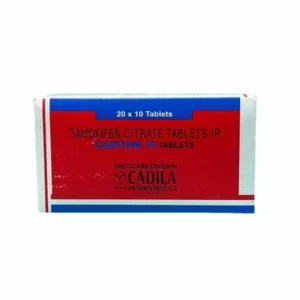
Caditam 10mg (Tamoxifen)
$37.50 $81.25Price range: $37.50 through $81.25
Next product
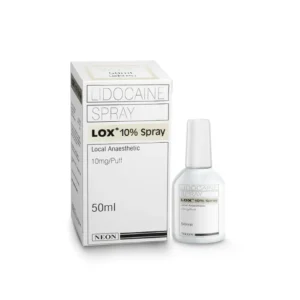
Lox 10% Spray (Lidocaine or lignocaine)
$15.00 $42.00Price range: $15.00 through $42.00
$31.00 $369.00Price range: $31.00 through $369.00
In Stock
In Stock
Glucagen Injection (Glucagon)
| Pack Size | Price | Quantity | Add To Cart | |
|---|---|---|---|---|
| 1 Injection | $31.00 | |||
| 3 Injection/s | $85.00 | |||
| 6 Injection/s | $155.00 | |||
| 15 Injection/s | $369.00 | |||
| Want to order in bulk / B2B price? Send Inquiry | ||||
×
Sorry!! Out of Stock
Sorry! Glucagen Injection (Glucagon) is out of stock
Please click below to view other similar medications.
View All Glucagon Products

Offer You Can't Resist
Free Shipping
Enjoy Free Shipping on Orders above AUD304 (USD199)
Estimate Delivery :
21 September - 28 September
22
Very easy to order
I have been struggling with staying focused and maintaining productivity for years, particularly during long workdays. After researching various options, I decided to give Modalert 100 MG a try, and I can confidently say it has been a game-changer for me.
 Australia
February 11, 2025
Response from Modalertaustralia
Thank you for sharing your experience! We’re glad to hear Modalert 100 MG has helped support your focus and productivity during long days. Feedback like this means a lot to us and to others considering their options. Please continue to use the medication as directed, and feel free to reach out if you ever need assistance.
Last Updated on March 29, 2026

Description
Glucagen Injection (Glucagon): Uses, Benefits, How It Works, and FAQs
Glucagen Injection, also known for its active component Glucagon, is an essential medication that is widely utilized in emergency medical treatment and for diabetes. It plays an essential role in the treatment of severe hypoglycemia (low levels of blood sugar) as well as providing diagnostic aid in the case of certain health conditions. This article will explain the nature of Glucagen Injection, how it functions, the most common applications, possible side consequences, as well as answers to frequently requested questions regarding this vital medicine.
What is Glucagen Injection (Glucagon)?
Glucagen Injection is a drug formulation that is enriched with glucose, a naturally occurring hormone that is produced by the pancreas’s alpha cells. Glucagon is a key control in blood sugar levels. It stimulates the liver’s ability to expel glucose (glycogen) into the bloodstream. This helps increase blood sugar levels quickly.
In medicine, it is utilized for treating severe hypoglycemia in patients, particularly patients with diabetes who’ve consumed too much insulin or skipped meals. Additionally, it can be used as part of tests to help loosen the intestinal tract.
How Does Glucagen Work?
Glucagon is a hormone antagonist that is in opposition to insulin. It reduces blood glucose levels. If injected, glucagon:
- Stimulates Glycogenolysis: The liver is notified for breaking down glycogen into glucose.
- Raises Blood Sugar Levels: Rapidly raises blood sugar levels to counteract the dangerously low blood sugar.
- Relaxes Smooth Muscle: Used in diagnosing imaging procedures to ease stomach spasms.
Due to these results, the glucagen injection can save lives in critical hypoglycemia crises in cases where oral glucose consumption isn’t possible.
Common Uses of Glucagen Injection
- Severe Hypoglycemia: Treatment of low blood sugar levels for diabetics who are numb or in a position to swallow.
- Diagnostic Aid: It is used in medical imaging to ease stomach pain and intestines in the course of procedures such as ultrasound or even endoscopy.
- Radiology: Enhances imaging quality through a reduction in bowel movement.
- Overdose Situations: It is sometimes used to combat beta-blockers or calcium channel blockers side effects.
How is Glucagen Injection Administered?
Glucagen Injection is usually administered through intramuscular (IM) or subcutaneous (SC) as well as intravenous (IV) injection. The procedure is based on the need for urgency as well as the setting:
- Emergency Use: The injection of SC or IM is typical for fast administration outside of hospitals.
- Hospital Use: IV administration permits rapid and precise elevations of glucose.
The standard adult dose for severe hypoglycemia is 1 mg administered at once. If the patient is in a state of unconsciousness, another dose can be administered after 15 minutes. In the case of children, dosages can be adjusted based on the weight of the body.
Benefits of Glucagen Injection
- Rapid Reversal of Hypoglycemia: Quickly restores normal blood sugar levels, preventing brain damage or death.
- Ease of Use: It can be administered by caregivers or emergency response personnel.
- Non-Oral Administration: It is effective when a patient is unable to drink sugar through oral consumption.
- Diagnostic Uses: Increases the precision of certain scans for imaging in the medical field.
- Well-Tolerated: Most of the time, it is safe and has minimal adverse effects if used properly.
Potential Side Effects
While Glucagen Injections are generally non-toxic, a few side effects could occur:
- Nausea and Vomiting: The most frequent adverse reaction, particularly if glucose levels increase rapidly.
- Hypersensitivity Reactions: Allergic reactions that is rare, such as rash or itching.
- Injection Site Reactions: Mild pain or redness.
- Low Blood Sugar Recurrence: It is possible that symptoms will return when glycogen stores in the liver are reduced.
- Elevated Heart Rate: Tachycardia is temporary in certain cases.
People suffering from certain ailments like insulinoma or pheochromocytoma must be cautious when using glucagon under supervision from a medical professional.
Precautions and Contraindications
- Allergy: Do not use in patients who are allergic to glucagon or other ingredients that are in the formula.
- Liver Disease: Glucagon requires liver glycogen stores to function effectively.
- Pheochromocytoma: Glucagon may trigger hypertensive crises for those patients.
- Insulinoma: It is possible that symptoms will worsen because of an insulin release that is not in sync.
Be sure to inform your healthcare professional of your medical history and the medications you are currently taking prior to making use of Glucagen Injection.
Storage and Handling
Glucagen Injection is best stored in a dry and cool area, normally refrigerated for 2-8°C (36-46°F). Do not freeze. The solution is normally made by mixing the powder with water that is sterile water before injection, and is to be used immediately the preparation.
Frequently Asked Questions (FAQs) About Glucagen Injection (Glucagon)
-
When should Glucagen Injection be used?
Glucagen Injections are administered to treat diabetic emergencies where the patient suffers from severe hypoglycemia and is unable or unconscious to consume sugar or eat it. The injection is only recommended in cases where oral glucose is not given.
-
How quickly does Glucagen Injection work?
Glucagon usually increases blood sugar levels in about 10 minutes after the injection. This makes it a very effective and quick treatment.
-
Can anyone use Glucagen Injection?
The product is intended for those with severe hyperglycemia due to diabetes. The administration of the medication should, however, be administered by trained people or by caregivers who are aware of the correct procedure.
-
What should I do after giving Glucagen Injection?
When the patient can regain consciousness and swallow and drink, they need to take in carbohydrates to keep their blood sugar levels. Seek medical attention as soon as possible following an emergency.
-
Are there any side effects to worry about?
The vomiting and nausea of a person are normal; however, they tend to be mild. The incidence of allergic reactions is low; however, they urgently require medical assistance. The negative side effects of these are usually offset by the benefits of addressing the life-threatening hypoglycemia.
-
Can Glucagen Injection be used to treat mild hypoglycemia?
No, Mild hypoglycemia that is mild is typically treated using food items that are sugary or glucose-rich. Glucagen injections are reserved for extreme cases when it is difficult to consume oral sugar.
-
How is Glucagen Injection different from insulin?
Insulin decreases blood glucose levels, and glucagon increases them. Both have opposing effects, but both work in tandem to keep the balance of glucose.
-
Can Glucagen Injection be self-administered?
The majority of people are unable to self-administer in acute hypoglycemia because they are unconscious. Family members and caregivers can be taught how to administer the injection during times of crisis.
-
Is Glucagen Injection safe for children?
Yes, it can be employed in cases of emergency for children and dose adjustment based on the body’s weight. Use of the drug in children should be guided by medical experts.
-
What happens if too much Glucagen Injection is given?
In excess, glucagon could trigger symptoms such as nausea, vomiting, or hyperglycemia; however, overdoses are not common and usually manageable through medical treatment.
Conclusion
Glucagen Injection (Glucagon) can be a life-saving medication that plays a crucial role in the control of severe hypoglycemia, particularly for diabetics. The ability of glucagon to quickly raise blood sugar levels could help prevent severe complications like seizures, unconsciousness, or even death. In addition, its diagnostic functions allow it to be a tool of many uses to use in the medical field.
Related products


Recently Viewed

Reviews
There are no reviews yet.