
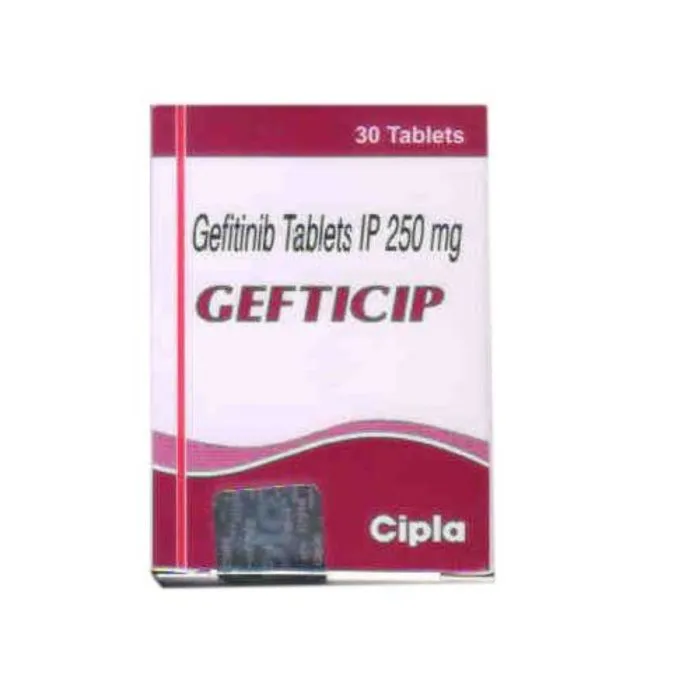
Gefticip 250mg (Gefitinib)
Previous product
Fycompa 6mg (Perampanel)
$260.00 $650.00Price range: $260.00 through $650.00
Next product
Genticyn 80mg Injection
$20.00 $49.00Price range: $20.00 through $49.00
$90.00 $265.00Price range: $90.00 through $265.00
In Stock
In Stock
Gefticip 250mg (Gefitinib)
| Pack Size | Price | Quantity | Add To Cart | |
|---|---|---|---|---|
| 30 Tablet/s | $90.00 | |||
| 60 Tablet/s | $178.00 | |||
| 90 Tablet/s | $265.00 | |||
| Want to order in bulk / B2B price? Send Inquiry | ||||
×
Sorry!! Out of Stock
Sorry! Gefticip 250mg (Gefitinib) is out of stock
Please click below to view other similar medications.
View All Gefitinib Products
Offer You Can't Resist
Free Shipping
Enjoy Free Shipping on Orders above AUD304 (USD199)
Estimate Shipping :
07 June - 14 June
22
Best quality
Quality medicines at reasonable prices. Delivery was faster than expected, and everything arrived in perfect condition.
 Australia
May 24, 2026
Last Updated on March 30, 2026

Description
Uses, Benefits, and Important Information
Gefticip 250mg, also known as its brand name Gefitinib, is a medicine extensively used to treat various types of cancer. It is now an essential component of targeted therapies for cancer that offer hope for people suffering from NSCLC. (NSCLC). In this blog, we will look at the details of Gefticip 250mg, what it does, how it operates and its benefits, dose guidelines, adverse reactions, and warnings, as well as answer you’re most frequent queries to help you better understand the medication more thoroughly.
What is Gefticip 250mg (Gefitinib)?
Gefticip 250mg contains the active ingredient Gefitinib, which is part of the class of drugs known as TKIs (TKIs). It targets epidermal growth factor receptor (EGFR) Tyrosine Kinase, which is a protein that plays an important role in the development and spreading of cancerous cells. By preventing this receptor, Gefitinib can slow or stop the spread of cancerous cells.
What is Gefticip Used For?
Gefticip 250mg is commonly used to treat:
- Non-Small Cell Lung Cancer (NSCLC): In particular, when the cancerous cells are affected by mutations to their EGFR gene. These mutations can make cancer more responsive to targeted treatments using Gefitinib.
- This is usually used in cases where cancer has advanced or metastasized, or patients aren’t suitable for chemotherapy.
How Does Gefticip Work?
Cancer cells can experience an uncontrolled expansion due to irregular signals that tell them they are able to multiply. The EGFR protein found in these cells transmits signals. Gefitinib inhibits the tyrosine-kinase enzyme that is associated with EGFR, which blocks the signals from entering the cells. The inhibition results in an enlargement of cancer cell expansion and may trigger the death of cancer cells.
Since Gefticip targets certain tumor cell receptors, it’s considered to be a targeted therapy that is known to cause fewer adverse effects than traditional chemotherapy.
Dosage and Administration
- Standard Dose: Gefticip is typically recommended at a dosage of 250 mg daily.
- How to Take: It is best taken by mouth with a glass of water. Take it at the same time each day.
- With or Without Food: The drug can be used in conjunction with or without food; however, it is important to maintain consistency.
- Duration: The length of the treatment depends upon the patient’s reaction as well as the evaluation of the doctor. Certain patients may require many months or more.
Patients are not to change their dosage or cease using Gefticip without consulting their healthcare physician.
Possible Side Effects of Gefticip 250mg
Just like all drugs, Gefticip may cause side effects. However, not everybody is affected by them. The most frequently reported side effects include:
Common Side Effects
- Diarrhea
- Rash or acne-like skin reactions
- Nausea
- Vomiting
- Loss of appetite
- Dry skin
Less Common but Serious Side Effects
- Interstitial lung disease (a serious lung condition causing breathing difficulties)
- Liver problems (signs include jaundice, dark urine, fatigue)
- Severe skin reactions
- Eye issues like irritation, inflammation, or swelling
People who experience severe symptoms, such as breathing problems or chest pain, along with a persisting fever, need to seek urgent medical care.
Precautions and Warnings
- Pregnancy and Breastfeeding: Gefticip is not recommended for the nursing phase or pregnancy as its effects on babies has not been thoroughly studied.
- Liver Function: Regular monitoring of liver enzymes is crucial since Gefitinib may interfere with liver function.
- Pre-existing Conditions: Contact your physician if you suffer from lung issues or liver diseases, as well as problems with your skin, before beginning treatment.
- Drug Interactions: Certain medications, supplements, or herbal supplements may be incompatible with Gefitinib. Be sure to disclose your entire medical list of medications to your health physician.
Benefits of Using Gefticip
- Targeted Action: It targets cancerous cells carrying EGFR mutations. This can lead to improved outcomes than conventional chemotherapy.
- Oral Medication: Easy administration at home and without hospital visits to receive intravenous therapy.
- Quality of Life: Patients who undergo chemotherapy experience fewer adverse reactions compared to those who do not, which means that they can live a more comfortable life during chemotherapy.
Who Should Not Take Gefticip?
- People who are allergic to Gefitinib or any tablet ingredient.
- People with severe liver problems are severe without medical monitoring.
- Women who are pregnant or nursing as long as the benefits of breastfeeding outweigh the potential risks.
How to Store Gefticip
- Place the medicine in a dry, cool area away from direct sunlight.
- Keep it out of the child’s reach.
- Don’t use the medicine beyond the expiration date.
Frequently Asked Questions (FAQs)
Q1: How long does it take for Gefticip to show effects?
The length of time for response can differ; however, many patients will see improvements in the symptoms of their tumor or shrinkage in some weeks after beginning treatment. Your physician will be able to monitor the progression through scans as well as clinical evaluations.
Q2: Can I stop taking Gefticip if I feel better?
No. It’s important to take your medication according to the prescription, even when you are feeling well, as stopping it early could cause the cancer to spread.
Q3: Are there any foods or drinks I should avoid while taking Gefticip?
There is no restriction on food items; however, it’s recommended not to eat the grapefruit or grapefruit juice since they could interfere with how the medication works.
Q4: What should I do if I miss a dose?
Do the missed dose whenever you remember. However, if you’re nearing your next dose, do not take the one you missed. Avoid double doses.
Q5: Is Gefticip used for cancers other than lung cancer?
Even though Gefitinib is accepted for NSCLC that have EGFR mutations, clinical trials are continuing to determine its efficacy on other cancers.
Q6: Can I take Gefticip with other cancer treatments?
Gefitinib may be used in conjunction with other therapies; however, this is only carried out under strict medical supervision.
Q7: How often do I need to visit the doctor during treatment?
A regular check-up is crucial to monitor side effects and efficacy, generally every few weeks or when advised by your doctor.
Conclusion
Gefticip 250mg (Gefitinib) can be described as a significant improvement in the treatment of non-small-cell lung cancer, particularly in patients suffering from EGFR mutations. Its specific mechanism assists in limiting the growth of cancer and has fewer side effects as compared to conventional chemotherapy. But, as with all potent treatments, it is a must to be administered with observation by doctors, compliance with dosages that are prescribed, as well as being aware of the potential adverse consequences.
Additional Information
| Active Ingredient: | Gefitinib |
|---|---|
| Indication: | Non-Small Cell Lung Cancer |
| Manufacturer: | Cipla Limited |
| Strength: | 250mg |
| Packaging: | 30 Tablets in Bottle |
| Delivery Time: | 7 To 15 days |
Related products

Recently Viewed

Reviews
There are no reviews yet.