
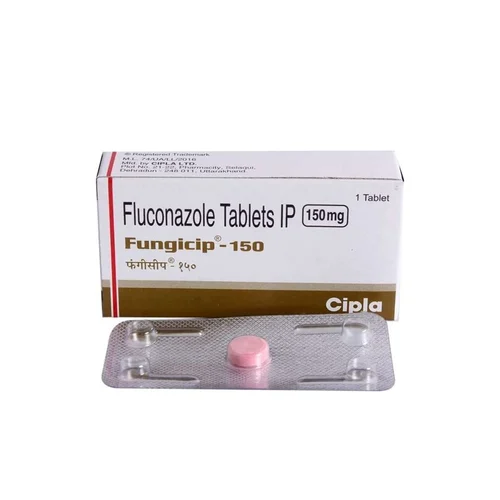
Fungicip 150mg (Fluconazole)
Previous product
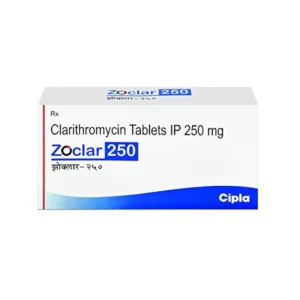
Zoclar 250mg (Clarithromycin)
$60.00 $153.00Price range: $60.00 through $153.00
Next product

Amlip 10mg (Amlodipine Besilate)
$27.00 $70.00Price range: $27.00 through $70.00
$30.00 $80.00Price range: $30.00 through $80.00
In Stock
In Stock
Fungicip 150mg (Fluconazole)
| Pack Size | Price | Quantity | Add To Cart | |
|---|---|---|---|---|
| 30 Tablet/s | $30.00 | |||
| 60 Tablet/s | $56.00 | |||
| 90 Tablet/s | $80.00 | |||
| Want to order in bulk / B2B price? Send Inquiry | ||||
×
Sorry!! Out of Stock
Sorry! Fungicip 150mg (Fluconazole) is out of stock
Please click below to view other similar medications.
View All Fluconazole Products

Offer You Can't Resist
Free Shipping
Enjoy Free Shipping on Orders above AUD304 (USD199)
Estimate Shipping :
07 June - 14 June
41
Fast dispatch
I have ordered multiple times and always receive excellent service. Fast dispatch, reliable tracking, and great support.
 Australia
May 21, 2026
Last Updated on March 28, 2026

Description
Fungicip 150mg (Fluconazole): Uses, Benefits, Side Effects, and Important Information
The active ingredient in Fungicip 150mg is fluconazole. The medication is prescribed for a wide range of fungal conditions, from minor skin infections to serious systemic infections. It is preferred for its ease of use, mild side effects, and effectiveness.
This comprehensive guide will cover Fungicip 150mg, what it is, how to use it, the dosage, side effects, and precautions.
What is Fungicip 150mg?
Fungicip 150mg contains Fluconazole. This is a synthetic antifungal that belongs to the class Azole Antifungals. The drug works by preventing the growth of the fungus by interfering with the synthesis of the vital component for fungal membranes, called ergosterol. The fungal membrane is compromised without ergosterol, and cell death results.
Fluconazole has a wide range of antifungal activity, such as against Cryptococcus and various species of Candida.
How Does Fungicip (Fluconazole) Work?
Fungicip blocks an enzyme known as lanosterol-14α-demethylase that is responsible for converting lanosterol into ergosterol. Ergosterol plays a vital role in maintaining the function and integrity of the cell membrane.
Fungicip, by disrupting the production of ergosterol, weakens fungal membranes, increasing permeability and causing leakage. The antifungal effect inhibits fungal development and eliminates infection.
Common Uses of Fungicip 150mg
The Fungicip 150mg tablet is prescribed to treat fungal infections such as:
- Candidiasis:
- Oral thrush (oral candidiasis)
- Esophageal candidiasis
- Vaginal yeast infections (vaginal candidiasis)
- Systemic candidiasis
- Cryptococcal Meningitis:
As part of treatment and maintenance, fluconazole can be used to treat and maintain cryptococcal meningitis. This is a severe fungal infection that affects the brain and spinal cord. - Fungal Skin Infections:
Certain nail and skin fungal infections are caused by susceptible fungi. - Prophylaxis:
Fungicip is prescribed for immunocompromised individuals, including those who are undergoing chemotherapy and organ transplants.
Dosage and Administration
Fungicip 150mg dosage varies according to the severity and type of fungal infection:
- For vaginal candidiasis: A single oral 150mg dose usually works.
- For oral or esophageal candidiasis: The first dose is 200mg, then 100mg every day for two weeks. Or as prescribed by your doctor.
- For systemic infections: It may be necessary to use higher doses or longer treatments.
- Prophylactic use: The dosage is tailored according to the individual’s risk factors and condition.
To prevent resistance or a recurrence, it is essential to follow the prescribed medication and complete the entire course of treatment, even if the symptoms improve early.
Fungicip tablets should be taken orally with or without food, and It is important to drink enough water during the treatment.
Benefits of Fungicip 150mg
- Broad-spectrum antifungal: It is effective against many fungi species.
- Convenient dosing: A single dose of 150mg is ideal for treating vaginal fungal infections.
- Well-tolerated: It is generally safe, with low side effect incidence.
- Oral formulation: In many cases, it is easier to administer than intravenous antifungals.
- Penetrates tissues well: It can reach many body parts, including the central nervous system. This makes it an effective treatment for cryptococcal infections.
Possible Side Effects of Fungicip (Fluconazole)
Fungicip can have side effects for some patients. Side effects can include:
Serious side effects, which are less common, but still require urgent medical attention:
- Allergic reactions, such as swelling, rash, or itching
- Signs of liver toxicity include jaundice (yellowing) or dark urine, or severe fatigue.
- Skin reactions such as Stevens-Johnson syndrome are very rare
- Irregular heartbeat (rare)
Report any side effects or symptoms that are not normal to your healthcare provider as soon as possible.
Important Precautions and Warnings
- Liver Function:
In rare instances, fluconazole may cause liver damage. Liver function tests and close monitoring of patients with liver disease are recommended during treatment. - Drug Interactions:
Fluconazole may interact with medications such as warfarin and certain antiepileptics. It can also cause interactions with oral hypoglycemics or benzodiazepines. Tell your doctor about all medications you take. - Pregnancy and Breastfeeding:
Only use Fungicip during pregnancy if it is clearly necessary and if prescribed by your doctor. Breastfeeding mothers are advised to consult with their doctor as it passes through breast milk. - Kidney Function:
Patients with kidney impairment may need to adjust their dose.
Tips for Using Fungicip Safely and Effectively
- Follow your doctor’s advice exactly.
- Even if your symptoms seem to be improving, do not discontinue treatment.
- Alcohol can increase your risk of developing liver disease.
- To prevent the recurrence of skin infections and vaginal infections, maintain good hygiene.
- Tell your doctor if you have ever had any allergic reactions or other adverse reactions to antifungal medication.
- Hydration is important to maintain kidney health during the treatment.
- Keep the medicine in a dry, cool place that is away from sunlight.
When to See a Doctor
Seek medical advice if:
- After completing treatment, symptoms worsened or did not improve.
- If you experience symptoms of allergic reactions (rash, swelling, or breathing difficulties)
- The symptoms of liver disease appear (such as jaundice, extreme fatigue, and abdominal pain).
- If you have side effects that are persistent or severe, then it is time to seek medical attention.
Conclusion
Fungicip 150mg (Fluconazole), a powerful antifungal drug, is used for a variety of fungal infections. The wide spectrum of its use and its effectiveness make it popular among both healthcare professionals and patients alike.
As with all medicines, however, this one also requires that it be used under medical supervision. It is important to follow the prescribed doses and be aware of any side effects.
If you suspect a fungal infection or have been prescribed Fungicip, consult your healthcare provider for proper diagnosis and personalized treatment advice.
Additional Information
| Manufacturer | Cipla Limited |
|---|---|
| Pharmaceutical | Tablet/s |
| Strength | 150mg |
Related products








Recently Viewed


Reviews
There are no reviews yet.