

Flutivate Cream (Fluticasone)
Previous product
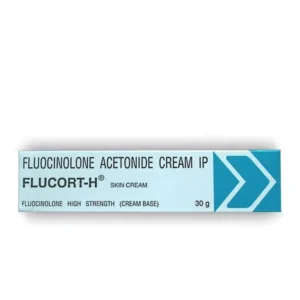
Flucort H Cream (Fluocinolone)
$40.00 $78.00Price range: $40.00 through $78.00
Next product
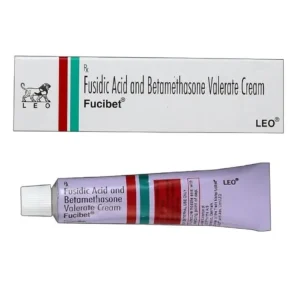
Fucibet Cream
$13.00 $37.00Price range: $13.00 through $37.00
$20.00 $57.00Price range: $20.00 through $57.00
In Stock
In Stock
Flutivate Cream (Fluticasone)
| Pack Size | Price | Quantity | Add To Cart | |
|---|---|---|---|---|
| 3 Cream | $20.00 | |||
| 6 Cream/s | $39.00 | |||
| 9 Cream/s | $57.00 | |||
| Want to order in bulk / B2B price? Send Inquiry | ||||
×
Sorry!! Out of Stock
Sorry! Flutivate Cream (Fluticasone) is out of stock
Please click below to view other similar medications.
View All Fluticasone Products

Offer You Can't Resist
Free Shipping
Enjoy Free Shipping on Orders above AUD304 (USD199)
Estimate Delivery :
05 October - 12 October
39
Such a helpful company
Such a fantastic, professional site…I get exactly what I need in perfect timing..at great prices!!
 Australia
February 8, 2025
Response from Modalertaustralia
Thank you so much for your kind words! We’re delighted to hear you’re happy with our service, timely delivery, and pricing. Providing a smooth and professional experience is always our goal. We truly appreciate your support!
Last Updated on March 24, 2026

Description
Flutivate Cream (Fluticasone Propionate): A Complete Guide
Flutivate Cream is a topically applied corticosteroid treatment that includes fluticasone propionate as the active component. It is extensively used for dermatology treatment to address different skin disorders that cause irritation, redness, inflammation, and irritability. Its potent anti-inflammatory as well as immune-suppressive qualities make it a preferred choice for those with severe or chronic conditions of the skin.
In this thorough guide, we’ll explore the basics of what Flutivate Cream is and how it functions and what it can do, the best ways to use it, instructions for application, the possibility of adverse effects, warnings, and all the other information you have to be aware of before applying this drug.
What is Flutivate Cream?
Flutivate Cream is a prescribed topical corticosteroid that is designed for use on the outside. It is a combination of Fluticasone Propionate, which is a synthesized corticosteroid that emulates the action of natural corticosteroids created by the adrenal glands. It reduces inflammation and inhibits overactive immune responses within the skin.
The cream is typically recommended for the treatment of:
- Eczema (atopic dermatitis)
- Psoriasis
- Contact dermatitis
- Seborrheic dermatitis
- Allergic reactions
- Skin rashes with inflammation
- Insect bite reactions
How Does Fluticasone Work?
Fluticasone propionate acts by interfering with the glucocorticoid receptors of the skin. If applied to the area affected, it penetrates the skin’s outer layer and decreases the production of inflammation-related chemicals such as leukotrienes and prostaglandins.
Also, it blocks the function of immune cells, which are involved in allergic and inflammatory responses. It results in:
- Reduction of swelling
- Relief from itching and redness
- Decreased skin thickening and scaling
- The appearance and feeling of the affected region
Uses of Flutivate Cream
Flutivate can be used to treat various dermatological issues. A few of its most popular usages are:
-
Eczema
Flutivate Cream works well in helping to reduce flare-ups caused by the eczema. It eases irritation and itching and aids in restoring the barrier to the skin.
-
Psoriasis
The chronic autoimmune disorder creates scaly and thick areas on the skin. Flutivate slows down the fast turnover of skin cells and reduces symptoms like the appearance of redness, swelling, and achiness.
-
Dermatitis
It’s a case of contact dermatitis brought on by an allergic or irritant reaction or seborrheic dermatitis caused by excess oil or yeast development. Flutivate Cream can help calm the inflammatory reaction and help heal the region.
-
Insect Bites
The Flutivate cream is also utilized to treat severe itching, swelling, and redness that result from insect bites.
-
Skin Allergies
If you suffer from skin allergies that cause severe itching and inflammation, Flutivate Cream provides quick relief.
How to Use Flutivate Cream
A proper application is vital to the efficacy of Flutivate as well as to avoiding undesirable consequences.
Directions for Use:
- Clean and dry the area affected prior to applying the cream.
- Use a light layer of The Flutivate Cream on the affected skin.
- Rub it gently until it’s absorbed.
- Clean your hands immediately after using them, unless you represent the part to be taken care of.
- Follow the exact dosage as directed by your doctor – usually, once or twice a day.
- Don’t cover the affected part with a bandage wrap until you are instructed by your doctor.
Important Tips:
- Don’t apply Flutivate Cream on infected or broken skin, unless it is specifically recommended.
- Beware of contact with your eyes, mouth, or mucous membranes in general.
- Don’t apply it to vast areas of your body or apply for an extended time unless under medical surveillance.
Who Should Not Use Flutivate Cream?
While Flutivate Cream is usually secure, it’s not appropriate for all people.
Do not use it if you are:
- Allergies to fluticasone or any other component contained in the cream
- Untreated fungal, bacterial, or viral infections that affect the skin
- Rosacea or acne
- Perioral dermatitis (rash around the mouth)
The drug is generally not suggested for use with babies or children under the age of one, except when prescribed by a physician.
Side Effects of Flutivate Cream
As with all medicines, Flutivate Cream may cause adverse reactions in certain users when used in a manner that is not proper or for prolonged periods of time.
Common Side Effects:
- Burning or stinging at the site of application
- Dryness or peeling of the skin
- Itching or irritation
Less Common but Serious Side Effects:
- Thinning of the skin (atrophy)
- Stretch marks
- Easy bruising
- Skin discoloration
- Increased hair growth at the site
- Secondary infections due to immune suppression
High-dose or long-term use may result in systemic absorption of corticosteroids. These can reduce the naturally occurring steroid hormone production within the body. Be sure to follow the advice of your doctor to stay clear of such dangers.
Precautions and Warnings
To make sure you are using the product safely, Flutivate Cream, be sure to follow the following guidelines:
- Pregnancy and Breastfeeding: Only use if it is clearly required and supervised by a medical physician. Avoid applying to the breasts if you are nursing.
- Children: Patients with children may take in greater quantities of corticosteroids from the skin because of their thin skin and could be more vulnerable to adverse consequences.
- Face and Sensitive Areas: Be extremely cautious when using it on the groin, face, as well as underarms. These are the areas that are most prone to irritation and thinness.
- Avoid Prolonged Use: Don’t use more than the recommended time. If you do not improve in two weeks, talk to your doctor.
What to Do in Case of Overuse?
Applying excessive Flutivate Cream or applying it more often than recommended can raise the chance of experiencing side effects. If you think that you have used too much or notice symptoms such as excessive fatigue or swelling, weight gain, or elevated glucose levels, you should seek medical attention immediately.
If the cream has been inadvertently ingested, you must contact the emergency services as well as poison control right away.
Storage and Handling
- Keep the cream at ambient temperatures (below 25°C).
- Be sure to keep it out of the elements of moisture, heat, and bright sunlight.
- Don’t freeze.
- Be sure to keep away from young children.
Alternatives to Flutivate Cream
If the Flutivate Cream you are using isn’t appropriate or readily accessible, your physician may suggest alternatives, such as:
- Mometasone cream
- Betamethasone cream
- Hydrocortisone (for milder conditions)
- Tacrolimus or pimecrolimus (non-steroidal immunomodulators)
Each comes with its own unique advantages and negative side effects. The option you choose is dependent on your specific conditions of skin conditions and their severity.
Final Thoughts
Flutivate Cream can be described as a powerful and efficient topical corticosteroid that provides significant relief from a range of skin inflammations. When properly administered under the supervision of a medical professional, the cream can significantly alleviate symptoms and improve healthy skin.
It is an extremely powerful steroid; care is crucial. Be sure to follow the directions of your physician for use and avoid excess usage, as well as be aware of any adverse effects. Don’t self-medicate, especially those with skin issues that look similar, but aren’t inflammatory disorders.
Additional Information
| Manufacturer | Glaxo SmithKline Pharmaceuticals Ltd |
|---|---|
| Pharmaceutical | Cream |
| Strength | 0.05 |
| Pack Size | 3 Tube/s, 6 Tube/s, 9 Tube/s |
Related products







Reviews
There are no reviews yet.