
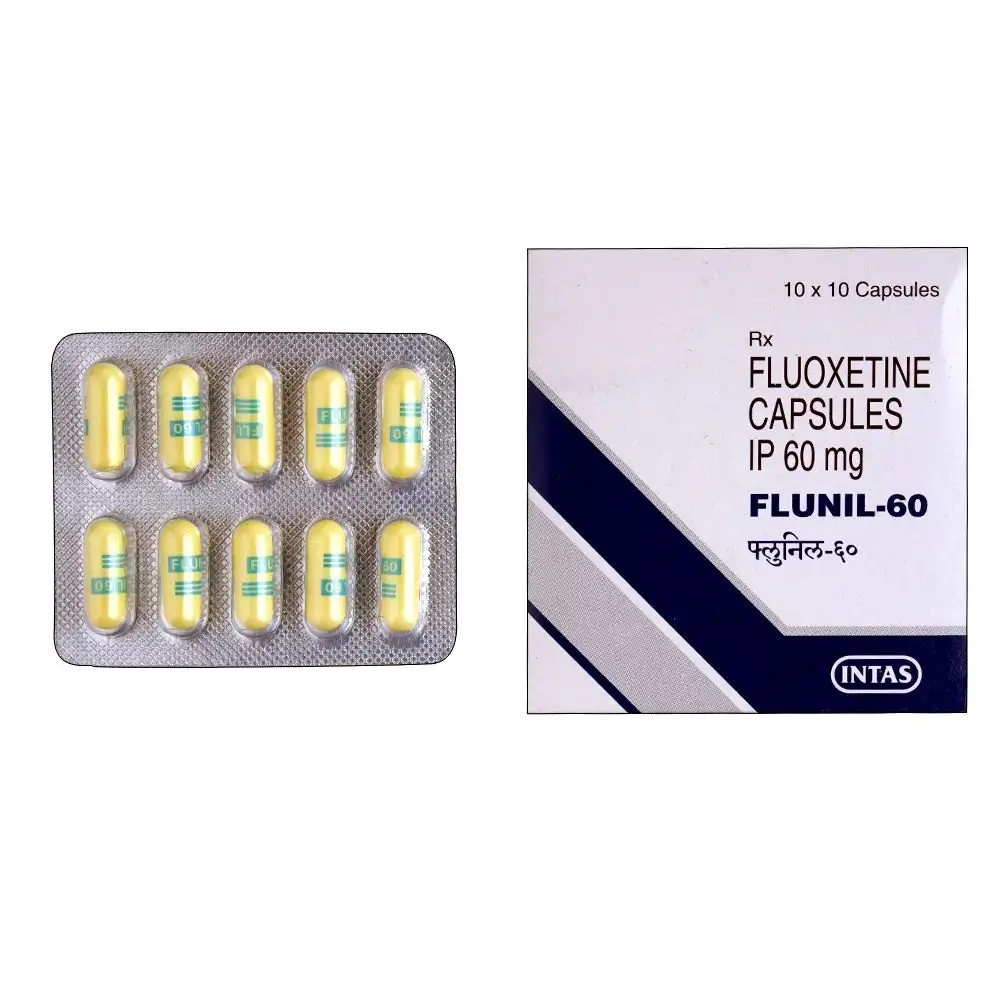
Flunil 60mg (Fluoxetine)
Previous product

Gabapin 100mg (Gabapentin)
A$36.10 A$64.98Price range: A$36.10 through A$64.98
Next product

Gabapin 300mg (Gabapentin)
A$37.54 A$86.64Price range: A$37.54 through A$86.64
A$38.99 A$92.06Price range: A$38.99 through A$92.06
In Stock
In Stock
Flunil 60mg (Fluoxetine)
| Pack Size | Price | Quantity | Add To Cart | |
|---|---|---|---|---|
| 30 Capsules | A$38.99 | |||
| 60 Capsules | A$63.18 | |||
| 90 Capsules | A$92.06 | |||
| Want to order in bulk / B2B price? Send Inquiry | ||||
×
Sorry!! Out of Stock
Sorry! Flunil 60mg (Fluoxetine) is out of stock
Please click below to view other similar medications.
View All Fluoxetine Products


Offer You Can't Resist
Free Shipping
Enjoy Free Shipping on Orders above AUD304 (USD199)
Estimate Delivery :
12 September - 19 September
26
Recommended
Very satisfied with the service. Everything was well organized, communication was clear, and the shipment was professionally prepared. I would recommend this company for its reliable service
 Australia
August 14, 2026
Last Updated on March 24, 2026

Description
Flunil 60mg (Fluoxetine): Comprehensive Guide
Flunil 60mg is a generic variant of the antidepressant Fluoxetine is commonly used to treat a variety of mental health issues, such as anxiety, depression, obsessive compulsive disorder (OCD) and panic disorders, and many more. It is a selective serotonin-reuptake inhibitor (SSRI). Fluoxetine works to alter the serotonin balance in the brain. It is a chemical linked to emotional regulation and mood stability. This article provides a comprehensive description of Flunil 60 mg, including its medical benefits, mechanisms of action, dose, possible side effects, and warnings, along other pertinent facts to help ensure the safest and most efficient treatment.
What is Flunil 60mg?
Flunil 60mg is a high-dose version of Fluoxetine, which is a popular antidepressant that was first released in the mid-80s. It’s part of the SSRI category of drugs that are used to treat mood disorders by raising serotonin levels within the brain. Fluoxetine is the main component in Flunil, which can be purchased in a variety of dose strengths. The 60mg version is usually employed for moderate or severe instances or those who are not responding to doses lower in dosage.
How Does Flunil 60mg Work?
Fluoxetine is a selective inhibitor of serotonin reuptake within the brain. Serotonin is a neurotransmitter that can be a source of feelings of well-being and joy. If serotonin gets absorbed too fast in nerve cells, this could result in mental disorders. Through preventing this reuptake process, Fluoxetine increases the amount of serotonin that is available to aid nerve cells to better communicate, helping improve mood and emotional condition in the course of time.
Common Uses of Flunil 60mg
- Major Depressive Disorder (MDD):
Flunil is commonly employed to treat the symptoms of depression. It can help alleviate signs of depression, such as chronic depression, apathy in pursuits, fatigue, as well as changes in appetite and sleeping. - Obsessive-Compulsive Disorder (OCD):
The patients with OCD typically experience excessive repeated thoughts (obsessions) as well as behaviors (compulsions). Flunil assists in reducing the frequency and intensity of these episodes. - Panic Disorder:
Fluoxetine may help decrease the intensity and frequency of panic attacks, along with the anticipatory anxiety that is often associated with anxiety disorders. - Bulimia Nervosa:
Fluoxetine is among the only medications that have been approved for the treatment of the condition known as bulimia nervosa. It reduces binge-eating and purging behavior. - Premenstrual Dysphoric Disorder (PMDD):
Fluoxetine’s effectiveness has been proven to be effective in relieving the psychological and physical signs that accompany PMDD, the most severe type of premenstrual disorder. - Anxiety Disorders:
Although it is not the only treatment for generalized anxiety disorders, Flunil can be effective for managing the symptoms of chronic anxiety for some patients.
Dosage and Administration
The right dosage for Flunil is determined by the disease being treated, the severity of the symptoms, and also on the response of the patient to treatment. In certain conditions, therapy could begin with a smaller dosage (e.g., 20 mg or 40 mg) before gradually increasing to 60 mg if needed.
Key Points:
- Consume Flunil with food each day, either with or without meals.
- Stop your medication abruptly, without consulting your doctor.
- It can take anywhere from 2 to 6 weeks for all the impact to show up.
- Adjustments in dosage must be made under the medical supervision of a physician.
Potential Side Effects
Like other medications, Flunil 60mg may cause negative side reactions. Although many people take the drug with ease but some suffer slight to moderate reactions at the beginning of treatment.
Common Side Effects:
- Nausea
- Headache
- Drowsiness or insomnia
- Dry mouth
- Diarrhea
- Sweating
- Anxiety or nervousness
- Weight changes
- Sexual dysfunction
Serious Side Effects (Seek Immediate Medical Help):
- Suicidal thoughts or behavior, especially in younger patients
- Serotonin syndrome (symptoms include agitation, confusion, fever, rapid heart rate)
- Severe allergic reactions (rash, itching, swelling, difficulty breathing)
- Seizures
- Abnormal bleeding or bruising
It is important to notify your medical professional of any abnormal symptoms immediately. The effects of certain side effects could diminish when the body is able to adjust to the drug.
Precautions Before Taking Flunil 60mg
Before beginning Flunil, it is essential that a complete medical history needs to be given to the physician who prescribed it. It should include current medications, allergies, supplements, and any underlying health issues.
Inform Your Doctor If You Have:
- Liver disease
- Diabetes
- Epilepsy or seizures
- Bipolar disorder (Fluoxetine can trigger manic episodes)
- Glaucoma
- History of suicidal thoughts
Drug Interactions:
Fluoxetine is a drug that can interact with other medicines, which include:
- MAO inhibitors (don’t use for 14 days after the end of an MAOI)
- Other antidepressants (increased risk of serotonin syndrome)
- Blood thinners (e.g., warfarin)
- NSAIDs (may increase risk of bleeding)
- Anticonvulsants
Do not drink or use recreational substances, since they can cause more harm or interfere with the treatment.
Use During Pregnancy and Breastfeeding
Fluoxetine is a drug that can be absorbed into the breast milk of the nursing infant. It’s not suggested in pregnancy, unless it is absolutely needed due to the potential dangers to the baby. Untreated depression could cause harm, and this decision must be taken according to a case-by-case basis and following medical advice.
Overdose and Emergency Situations
If you take more than the recommended dosage of Flunil 60mg is dangerous and needs immediate medical attention. The signs of an overdose could be:
- Confusion
- Agitation
- Rapid heartbeat
- Vomiting
- Seizures
- Fainting
In the event of a suspected overdose, seek medical assistance immediately.
Long-Term Use and Discontinuation
Fluoxetine can be used in an extended treatment option to treat chronic ailments. However, stopping the treatment abruptly can result in withdrawal-related symptoms like nausea, mood fluctuations, irritability, and similar symptoms to the flu.
In order to stop taking Flunil without risk, it is recommended to taper slowly. It is usually recommended with a physician’s guidance.
Benefits of Flunil 60mg
When utilized correctly, Flunil can significantly improve the quality of life of those suffering from mental illness. There are many benefits to Flunil, including:
- Better mood and mental stabilization
- A decrease in the frequency and severity of panic attacks
- Improved control of obsessive and compulsive behaviours
- Reduced binge eating episodes
- Improved daily performance and focus
Psychological Support and Lifestyle Tips
When medication like Flunil is a major factor in treating, mixing it along with lifestyle modifications and therapy will yield more lasting results. Cognitive behavior therapy (CBT), mindfulness, exercises, and a healthy diet are all able to aid physical health recovery.
Conclusion
Flunil 60mg (Fluoxetine) is an effective and powerful antidepressant, which is effective in managing a wide range of mental health disorders, including depression, OCD, and panic disorder. While generally accepted, however, it is best to use it with the supervision of a trained healthcare professional because of the potential for adverse reactions and drug interactions. When you are supported and have respect for the treatment prescribed, most patients experience lasting relief and significant improvements in their emotional and mental health.
Related products








Reviews
There are no reviews yet.