
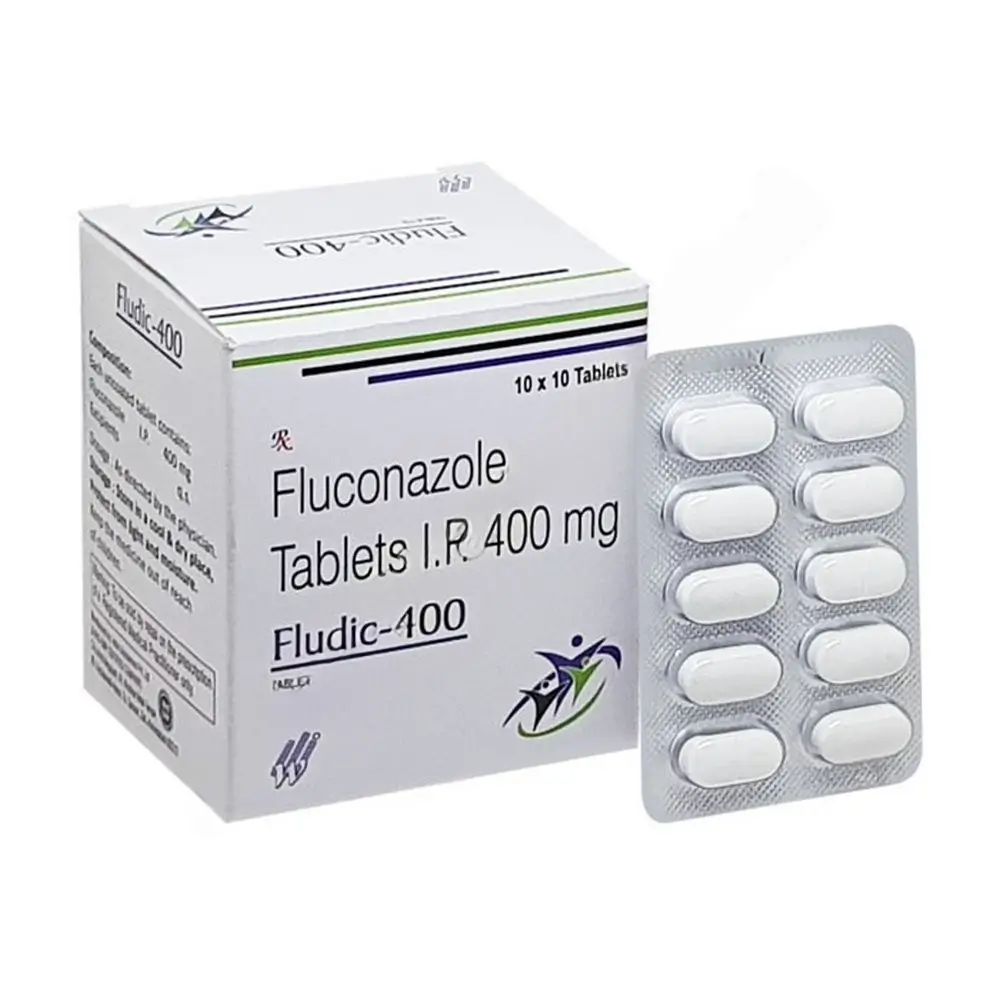
Fludic 400 (Fluconazole)
Previous product
Clenarix 40Mcg (Clenbuterol)
$150.00 $360.00Price range: $150.00 through $360.00
Next product

Anawin 0.5% inj. (Bupivacaine)
$45.00 $110.00Price range: $45.00 through $110.00
$80.00 $209.00Price range: $80.00 through $209.00
In Stock
In Stock
Fludic 400 (Fluconazole)
| Pack Size | Price | Quantity | Add To Cart | |
|---|---|---|---|---|
| 30 Tablet/s | $80.00 | |||
| 60 Tablet/s | $150.00 | |||
| 90 Tablet/s | $209.00 | |||
| Want to order in bulk / B2B price? Send Inquiry | ||||
×
Sorry!! Out of Stock
Sorry! Fludic 400 (Fluconazole) is out of stock
Please click below to view other similar medications.
View All Fluconazole Products


Offer You Can't Resist
Free Shipping
Enjoy Free Shipping on Orders above AUD304 (USD199)
Estimate Shipping :
25 July - 01 August
48
Simple ordering
Simple ordering, secure payment, and timely delivery. Everything went perfectly
 Australia
July 14, 2026
Last Updated on March 23, 2026

Description
Fludic 400 (Fluconazole): Uses, Benefits, and Important Information
Fludic 400, which has fluconazole as the active ingredient. It is widely used as an antifungal medication. It plays a crucial role in the treatment of a range of fungal diseases, from common yeast infections to more severe systemic fungal infections. This article provides a comprehensive review of Fludic 400, covering its use, mechanism of action, advantages, dosages, risks, and warnings.
What is Fludic 400 (Fluconazole)?
Fludic 400 is a prescription product containing 400 mg of fluconazole per dose. Fluconazole is a triazole antifungal medication. The drugs inhibit fungal proliferation, thereby helping to eradicate fungal diseases in the body.
Fluconazole is effective against a range of fungi, including Candida species that can cause vaginal yeast infections (thrush) and other systemic infections. Fluconazole is also used to treat and prevent cryptococcal meningitis, a severe fungal infection of the brain.
How Does Fludic 400 Work?
Fluconazole (Flucid 400) acts by targeting the fungal cell membrane. Specifically, it inhibits the enzyme lanosterol 14α-demethylase. The enzyme is essential to convert lanosterol into Ergosterol, which is an essential part that makes up the cell wall of fungal organisms. In the absence of ergosterol in the fungal cell membrane, the membrane becomes weaker and more permeable, and cells eventually die.
Human cells make use of cholesterol in place of ergosterol. Fluconazole targets specific fungal cells, causing minimal impact on human cells. This selectivity makes fluconazole a highly effective and generally safe antifungal medication.
Common Uses of Fludic 400
Fludic 400 can be prescribed to treat different fungal diseases, such as:
- Vaginal Candidiasis (Yeast Infection): A common condition in which Candida fungal growth is excessive within the vaginal region, which causes irritation, itching, and discharge.
- Oropharyngeal and Esophageal Candidiasis: The mouth and throat, which are frequent among immunocompromised people, for example, people with HIV/AIDS, or those patients undergoing chemotherapy.
- Systemic Candidiasis: Infections that is serious, where Candida is transmitted through the bloodstream, infecting many organs.
- Cryptococcal Meningitis: An extremely serious infection of the membranes that surround the spinal cord and the brain caused by the Cryptococcus neoformans.
- Prophylaxis: The prevention of fungal infections is important for people with weak immune systems, like patients who undergo chemotherapy or bone marrow transplants.
Dosage and Administration
The dosage for Fludic 400 differs based on the severity and type of infection. For uncomplicated vaginal yeast infections, a single dose of 150 mg of fluconazole may be sufficient; however, for more severe infections, more frequent, longer-course doses, such as 400 mg daily, may be required.
It is essential to adhere to your physician’s prescription carefully. The medicine is typically administered orally, with or without food. The complete course is required regardless of whether symptoms improve, to prevent relapse or resistance.
Benefits of Fludic 400
- Effective Against a Wide Range of Fungi: Fluconazole is a potent antifungal agent that treats a broad spectrum of fungal infections.
- Good Oral Absorption: It’s well-absorbed through the mouth and has excellent bioavailability.
- Long Half-Life: It allows for once-daily dosing, which improves patient acceptance.
- Lower Risk of Drug Interactions: Compared with antifungal drugs such as ketoconazole and fluconazole, fluconazole has fewer severe interactions.
- Relatively Safe: The drug is generally well-tolerated and has a few minor adverse consequences.
Side Effects and Risks
Like other medications, Fludic 400 may cause adverse reactions. Many people can tolerate it without issue. However, some people may suffer:
- Gastrointestinal Issues: Nausea, vomiting, diarrhea, and abdominal pain.
- Headache: The mild or moderate type of headache could occur.
- Skin Rash: Mild allergic reactions, including rash or itching.
- Liver Effects: Sometimes, fluconazole may trigger liver enzyme elevations or worse liver toxicities, particularly when used for a long time.
- QT Prolongation: Fluconazole could affect the rhythm of your heart in certain people and increase the risk of developing arrhythmias.
- Interactions: Fluconazole may interfere with other drugs metabolized by the liver. Therefore, it’s essential to tell your physician about any medications and supplements that you’re taking.
If you experience extreme side effects, such as jaundice (yellowing of the eyes or skin) or chronic abdominal pain, an extreme rash, or unusual tiredness, you should seek medical attention promptly.
Precautions Before Taking Fludic 400
- Allergy: Avoid taking fluconazole if there is an allergy to other antifungal medicines.
- Liver or Kidney Disease: Inform your physician if you have liver or kidney disease, as dose adjustment or monitoring may be required.
- Pregnancy and Breastfeeding: Fluconazole shouldn’t be used in pregnancy when clearly required, or by breastfeeding mothers; talk to their doctor before taking the medication.
- Drug Interactions: Ensure you disclose all medications currently in your system to avoid dangerous interactions, particularly blood thinners, some antiarrhythmics, and other antifungals.
- Underlying Conditions: Patients with heart disease or electrolyte imbalances should exercise caution when using fluconazole.
What to Expect During Treatment
Fludic 400 usually begins to work after a couple of days of treatment. If you have localized issues like vaginal yeast infections and symptoms like itching or discharge generally improve within a short time. In the case of systemic infections, treatment could last for weeks or even months. The doctor will keep track of progress via examinations and tests in the laboratory.
It is vital to adhere to the course prescribed even if the symptoms start to improve so that the infection is eradicated and avoid the recurrence.
Conclusion
Fluconazole (Flucid 400) is an effective, multifaceted antifungal agent used to treat a wide range of fungal infections. The drug’s efficacy, safety profile, and ease of use make it an ideal treatment for both patients and health professionals. As with all medications, it must be used with caution and under the supervision of a medical professional to minimize risks and maximize benefits.
If you think you may have a fungal infection, or you’ve been given Fludic 400, be sure that you adhere to the directions of your physician. Be sure to report any unexpected side effects immediately, and don’t be afraid to ask your physician any questions regarding the treatment you are receiving.
Related products












Reviews
There are no reviews yet.