
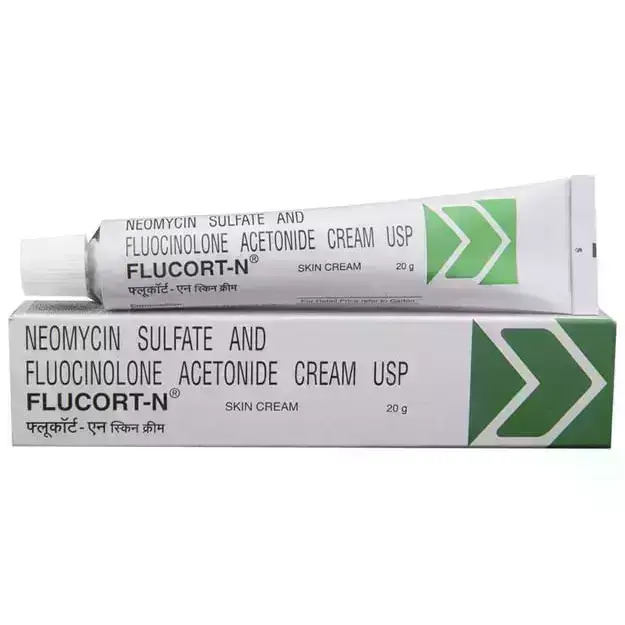
Flucort Cream (Fluocinolone)
Previous product

Tretin Cream (Tretinoin)
A$16.66 A$48.48Price range: A$16.66 through A$48.48
Next product
Supatret Gel (Tretinoin) - 0.1%
A$17.43 A$91.49Price range: A$17.43 through A$91.49
A$21.00 A$78.40Price range: A$21.00 through A$78.40
In Stock
In Stock
Flucort Cream (Fluocinolone)
| Pack Size | Price | Quantity | Add To Cart | |
|---|---|---|---|---|
| 3 Cream/s | A$21.00 | |||
| 6 Cream/s | A$40.25 | |||
| 12 Cream/s | A$78.40 | |||
| Want to order in bulk / B2B price? Send Inquiry | ||||
×
Sorry!! Out of Stock
Sorry! Flucort Cream (Fluocinolone) is out of stock
Please click below to view other similar medications.
View All Fluocinolone Products

Offer You Can't Resist
Free Shipping
Enjoy Free Shipping on Orders above AUD304 (USD199)
Estimate Shipping :
07 June - 14 June
36
Last Updated on March 23, 2026

Description
Flucort Cream (Fluocinolone): Uses, Benefits, and Precautions
Flucort Cream, which contains fluocinolone acetonide as the main ingredient, is a topically applied corticosteroid used extensively for treating various skin disorders. It’s known for its potent anti-inflammatory, anti-pruritic (anti-itch), and vasoconstrictive effects. By reducing redness, itching, and swelling, Flucort can help relieve individuals with skin conditions that are physically painful and emotionally difficult to manage.
This article will provide a deeper examination of Flucort Cream: what it is, how it operates, the ailments it treats, how to use it with caution, and what to be aware of when applying it.
What is Flucort Cream?
Flucort is a topically administered corticosteroid that contains fluocinolone Acetonide as an artificial glucocorticoid. The most common forms are cream, ointment, and gel, with cream being among the most frequently used. It’s described as a moderate-to-potent strength corticosteroid, dependent on its amount and the form.
Flucort is a drug that works by decreasing the release of chemicals in your body that trigger inflammation, like prostaglandins, as well as other inflammatory chemicals. It helps relieve symptoms including itching, swelling, irritation, and redness.
What is Fluocinolone?
Fluocinolone is a synthetic corticosteroid that replicates the results of naturally created hormones that are produced by the adrenal glands. It is a drug that works by reducing the immune response and skin inflammation.
If applied topically, fluocinolone gets absorbed by the skin’s layers. It can interact with steroid receptors in cells, thereby suppressing inflammation. It is therefore beneficial for treating various skin conditions.
Common Uses of Flucort Cream
Flucort Cream can be used to treat many inflammation-related skin conditions that can be caused by inflammation, such as, but not limited to:
- Eczema (Atopic Dermatitis): A chronic condition that is characterized by itchy, red, and inflammation of skin.
- Psoriasis: The condition causes massive, scaly patches of skin.
- Seborrheic Dermatitis: Particularly effective when applied to the scalp or any other oily area.
- Contact Dermatitis: The cause is an allergic or irritating reaction to substances.
- Lichen Planus: A condition of inflammation that affects the mucous membranes and skin.
- Insect Bites and Rashes: Itching relief for symptomatic relief and swelling.
- Allergic Reactions: Reduces swelling, redness, and irritation due to minor skin allergies.
How to Use Flucort Cream
Using Flucort Cream appropriately is vital to maximize its effectiveness and reduce the risk of adverse effects. Below are some guidelines for use:
- Dry and cleanse the region before applying the cream.
- Spread a thin coat of Flucort Cream on the affected area.
- Carefully massage it gently into the skin until the cream is equally dispersed.
- Clean your hands following application, unless you’re applying a treatment to your hands.
- Use the cream at least once or twice daily, or as recommended by your physician.
- Don’t cover the affected part with a bandage wrap until instructed by a medical professional.
Important: The cream is intended to be used only on the outside and is not to be applied to the mouth, eyes, or skin that has been damaged unless it is specifically recommended for this usage.
Duration of Use
Corticosteroids applied to the skin, such as Flucort, are typically recommended for short-term use, typically no longer than two to four weeks. In excess or long-term use, it can result in adverse effects, particularly when applied to large areas of the skin or to occlusive dressings.
Follow your doctor’s prescription regarding dosage and avoid using the cream for longer than the recommended duration.
Who Should Not Use Flucort Cream?
Although Flucort Cream is typically safe when it is used in the right way, there are certain instances when caution is required, or its use should not be recommended:
- People with an allergy to fluocinolone or one ingredients included in the cream.
- Children younger than 2 years old are not permitted unless prescribed by a doctor.
- Women who are pregnant or nursing must consult a physician before using.
- Patients suffering from skin conditions (bacterial or viral, or fungal) are not advised to apply corticosteroids without the appropriate treatment for antimicrobials.
- Patients suffering from Rosacea or perioral skin dermatitis are at risk, since steroids may cause more problems for these people.
Possible Side Effects
Similar to all drugs, Flucort Cream may cause negative side effects, specifically when used improperly or over prolonged periods. The most frequent side effects are:
- Burning, stinging, or itching at the application site
- Dryness or skin irritation
- Thinning of the skin (skin atrophy)
- Stretch marks (striae)
- Discoloration of the skin
- Acne or worsening of existing acne
- Increased hair growth in the area
Infrequently, when utilized over a wide area or for prolonged periods of time, systemic absorption might occur. It could lead to more severe side effects, such as:
- Hormonal imbalances
- Suppression of the adrenal glands
- Cushing’s syndrome-like symptoms
If you notice any strange signs, you need to quit using it and talk to your doctor promptly.
Drug Interactions and Precautions
Flucort Cream is applied topically; therefore, drug interactions are usually low. However, it’s essential to notify your physician about any supplements or other skin treatments you’re using.
The additional precautions to take include:
- Do not use for extended periods on the face or on sensitive skin unless specifically recommended.
- Don’t use it near the eyes because corticosteroids may cause cataracts and glaucoma.
- Avoid applying to skin that is damaged or broken without a medical professional’s approval.
- Be sure to keep it out of the reach of young children, and place it in a cool, dry location, out of direct light.
Special Considerations for Children
Children can be more susceptible to absorbing topical corticosteroids than adults, resulting in a greater risk of adverse reactions. Accordingly, children’s treatment should be carefully monitored by a medical professional, and the maximum effective dose should be used for the shortest possible duration.
Storage and Handling
- Store Flucort Cream in a cooler, dry location generally below 25°C (77°F).
- The cap should be kept tightly sealed during times of non-use.
- Don’t use the cream past the expiration date.
When to See a Doctor
Seek medical advice if:
- The condition gets worse or doesn’t improve within a couple of days of treatment.
- The signs you notice are skin infections, like warm, pus, or the appearance of a fever.
- Symptoms of an allergy include a rash, swelling, or breathing difficulties.
- There is a need for long-term treatments for chronic skin problems. Your doctor might suggest a plan of treatment using non-steroidal as well as steroid creams.
Conclusion
Flucort Cream (fluocinolone) is an effective and reliable treatment for various chronic skin inflammations when used appropriately. Its rapid relief may help alleviate symptoms such as irritation, itching, and swelling. It is, however, a corticosteroid; it must always be administered under the supervision of a medical professional, paying attention to the duration and frequency of use.
Additional Information
| Indication | Allergy symptoms, Bacterial skin infections |
|---|---|
| Manufacturer | Glenmark Pharmaceuticals Ltd. |
| Strength | 0.025% |
| Packaging | 20 gm in 1 tube, 30 gm in 1 tube |
| Delivery Time | 7 To 15 days |
Related products







Reviews
There are no reviews yet.