

Flomist Nasal Spray (Fluticasone Propionate)
Previous product
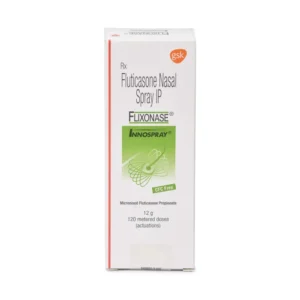
Flixonase Nasal Spray (Fluticasone Propionate)
$17.00 $48.00Price range: $17.00 through $48.00
Next product
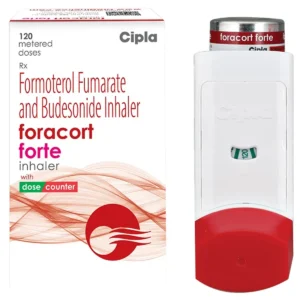
Foracort Forte Inhaler (Budesonide/Formoterol)
$21.00 $60.00Price range: $21.00 through $60.00
$16.00 $42.00Price range: $16.00 through $42.00
In Stock
In Stock
Flomist Nasal Spray (Fluticasone Propionate)
| Pack Size | Price | Quantity | Add To Cart | |
|---|---|---|---|---|
| 1 Spray | $16.00 | |||
| 2 Spray/s | $30.00 | |||
| 3 Spray/s | $42.00 | |||
| Want to order in bulk / B2B price? Send Inquiry | ||||
×
Sorry!! Out of Stock
Sorry! Flomist Nasal Spray (Fluticasone Propionate) is out of stock
Please click below to view other similar medications.
View All Fluticasone Propionate Products
Offer You Can't Resist
Free Shipping
Enjoy Free Shipping on Orders above AUD304 (USD199)
Estimate Delivery :
20 October - 27 October
50
Last Updated on July 27, 2026

Description
Introduction
Flomist Nasal Spray contains Fluticasone Propionate, a corticosteroid medicine used to treat and manage symptoms associated with allergic rhinitis. It helps reduce inflammation inside the nasal passages caused by allergens such as pollen, dust mites, mould, and pet dander.
Flomist Nasal Spray works directly inside the nose to control allergy-related symptoms including sneezing, runny nose, nasal congestion, and itching. Unlike decongestant sprays that provide temporary relief by narrowing blood vessels, Flomist reduces the underlying inflammation responsible for allergy symptoms.
This medication is commonly used for seasonal allergies (hay fever) as well as year-round nasal allergies when used regularly according to medical advice.
Product Specifications
| Feature | Details |
|---|---|
| Product Name | Flomist Nasal Spray |
| Active Ingredient | Fluticasone Propionate |
| Strength | 50 mcg per spray |
| Drug Class | Corticosteroid Nasal Spray |
| Dosage Form | Metered Nasal Spray |
| Primary Use | Allergic Rhinitis Relief |
| Administration | Intranasal Use |
| Manufacturer | Cipla Ltd |
| Prescription Required | Depends on Country Regulations |
What is Flomist Nasal Spray?
Flomist Nasal Spray is a Fluticasone Propionate-based nasal corticosteroid designed to reduce swelling and irritation in the nasal lining. Allergic reactions trigger the release of inflammatory substances that cause discomfort such as blocked nose, sneezing, and nasal discharge.
By acting locally inside the nasal passages, Flomist helps calm inflammation and provides long-lasting control of allergy symptoms without causing significant drowsiness.
It is suitable for individuals who need regular allergy management and is often recommended when symptoms are persistent or interfere with daily activities.
How Flomist Nasal Spray Works
When the body comes into contact with allergens, the immune system releases chemicals that cause inflammation in the nose. This results in symptoms such as congestion, itching, and excessive mucus production.
Flomist works by:
- Reducing inflammation in nasal tissues
- Blocking the activity of inflammatory chemicals
- Decreasing swelling inside nasal passages
- Reducing mucus production
- Improving airflow through the nose
Since Flomist treats inflammation rather than only masking symptoms, it works best when used consistently.
Uses of Flomist Nasal Spray
Flomist Nasal Spray is commonly prescribed for:
- Seasonal allergic rhinitis (hay fever)
- Perennial allergic rhinitis
- Nasal congestion caused by allergies
- Sneezing and runny nose
- Nasal itching and irritation
- Allergy symptoms triggered by pollen, dust, mould, and pet allergens
It is not intended for immediate treatment of sudden nasal blockage caused by infections or the common cold unless advised by a healthcare professional.
Benefits of Flomist Nasal Spray
Flomist Nasal Spray provides several potential benefits:
- Helps control allergy-related nasal inflammation
- Provides relief from sneezing and runny nose
- Reduces nasal blockage and swelling
- Works directly at the site of allergy symptoms
- Non-sedating allergy treatment option
- Provides long-lasting symptom control
- Suitable for regular allergy management
How to Use Flomist Nasal Spray
Use Flomist Nasal Spray exactly as instructed by your healthcare provider.
General steps:
- Shake the bottle gently before use.
- Blow your nose gently to clear nasal passages.
- Tilt your head slightly forward.
- Insert the spray nozzle into one nostril.
- Close the other nostril and spray while breathing gently.
- Repeat the process for the other nostril if required.
- Clean the nozzle after use.
Avoid directing the spray toward the middle wall of the nose (nasal septum), as this may increase irritation.
Recommended Dosage
The dosage may vary depending on age, symptoms, and medical advice.
For adults and children above the recommended age:
- Usually 1–2 sprays into each nostril once daily as directed by a healthcare provider.
Once symptoms are controlled, your doctor may recommend reducing the dose to the lowest effective amount.
Do not exceed the recommended dosage without medical advice.
Missed Dose
If you forget to use Flomist Nasal Spray:
- Use it as soon as you remember.
- If it is almost time for the next dose, skip the missed dose.
- Do not use extra sprays to make up for the missed dose.
Possible Side Effects
Like all medicines, Flomist Nasal Spray may cause side effects.
Common Side Effects
- Nasal dryness
- Mild nose irritation
- Sneezing after application
- Headache
- Throat irritation
- Unpleasant taste or smell
- Minor nosebleeds
These side effects are usually mild and improve with continued use.
Serious Side Effects
Seek medical advice if you experience:
- Frequent or severe nosebleeds
- Severe nasal irritation
- Vision problems
- Signs of allergic reaction
- Slow healing of nasal injuries
Warnings and Precautions
Before using Flomist Nasal Spray, inform your healthcare provider if you have:
- Recent nasal surgery
- Nasal injury
- Nasal infection
- Eye problems such as glaucoma or cataracts
- Liver disease
- Long-term use of steroid medicines
Important precautions:
- Use regularly for maximum benefit.
- Avoid spraying into the eyes.
- Do not share the nasal spray with others.
- Follow recommended dosage instructions.
- Consult a healthcare professional if symptoms do not improve.
Drug Interactions
Flomist Nasal Spray may interact with certain medicines, including:
- Other corticosteroid medications
- Some antifungal medicines
- Certain HIV medications
- Medicines that affect liver enzymes
Always inform your healthcare provider about all prescription medicines, supplements, and herbal products you are taking.
Storage Instructions
Store Flomist Nasal Spray:
- At room temperature
- Away from direct sunlight and moisture
- Keep the bottle tightly closed
- Do not freeze
- Keep away from children and pets
Frequently Asked Questions
What is Flomist Nasal Spray used for?
Flomist Nasal Spray is used to treat allergy-related nasal symptoms such as sneezing, congestion, runny nose, and itching caused by allergic rhinitis.
How long does Flomist take to work?
Some relief may occur within a few hours, but maximum improvement usually requires regular use over several days.
Can Flomist Nasal Spray be used daily?
Yes, it can be used daily when recommended by a healthcare provider for controlling ongoing allergy symptoms.
Does Flomist Nasal Spray cause drowsiness?
No. Since it works locally inside the nose, it generally does not cause drowsiness like some oral allergy medicines.
Can Flomist help with a blocked nose?
Yes. By reducing inflammation and swelling inside the nasal passages, Flomist can help relieve allergy-related nasal blockage.
Can children use Flomist Nasal Spray?
Children may use Flomist only when recommended by a healthcare professional based on their age and medical condition.
How long can I use Flomist Nasal Spray?
The duration of treatment depends on the severity of symptoms and your healthcare provider’s recommendation.
Why Choose Flomist Nasal Spray?
Flomist Nasal Spray offers targeted allergy relief by delivering Fluticasone Propionate directly to inflamed nasal tissues. It helps control common allergic rhinitis symptoms such as sneezing, nasal congestion, itching, and runny nose by reducing the underlying inflammation.
When used consistently and correctly under medical guidance, Flomist Nasal Spray can support better nasal comfort and improve quality of life for people affected by ongoing allergies.
Additional Information
| Manufacturer | Cipla Ltd |
|---|---|
| Pharmaceutical | Nasal Spray |
| Strength | 0.01% |
| Pack Size | 1 Spray/s, 2 Spray/s, 3 Spray/s |
Related products



Recently Viewed

Reviews
There are no reviews yet.