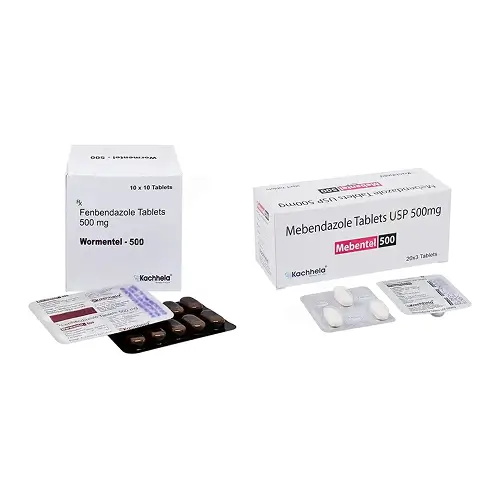
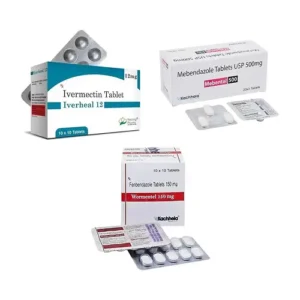
Fenbendazole 500+Mebendazole 500
Previous product
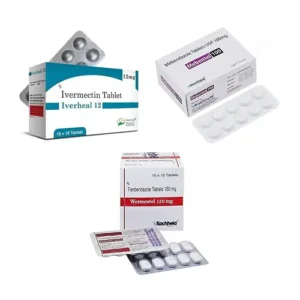
Fenbendazole 150+Ivermectin 12
A$128.52 A$371.11Price range: A$128.52 through A$371.11
Next product
Fenbendazole 500+Mebendazole 100
A$67.87 A$189.16Price range: A$67.87 through A$189.16
A$90.97 A$258.48Price range: A$90.97 through A$258.48
In Stock
In Stock
Fenbendazole 500+Mebendazole 500
| Pack Size | Price | Quantity | Add To Cart | |
|---|---|---|---|---|
| 1 Pack | A$90.97 | |||
| 2 Pack/s | A$173.28 | |||
| 3 Pack/s | A$258.48 | |||
| Want to order in bulk / B2B price? Send Inquiry | ||||
Offer You Can't Resist
Free Shipping
Enjoy Free Shipping on Orders above AUD304 (USD199)
Estimate Shipping :
28 July - 04 August
42
Last Updated on March 07, 2026

Description
The prevalence of parasites remains a major problem for health worldwide and affects millions of humans and animals alike. The most effective treatment is usually a combination of treatments that address a diverse range of parasites effectively and effectively. Of these treatments, the mixture of Fenbendazole 500 mg + Mebendazole 500 mg is gaining recognition as a noteworthy antiparasitic pair.
In this article, we’ll discuss the nature of these medications, how they interact, their clinical applications, and their safety profiles. Frequently Asked Questions Pet Owners May Have.
What are Fenbendazole and Mebendazole?
Both fenbendazole and mebendazole belong to the benzimidazole class of anthelmintics—medicines that expel or kill parasitic worms (helminths).
Fenbendazole 500 mg
Fenbendazole can be found in the field of veterinary medicine to deworm animals, including cats, dogs, as well as horses and livestock. It’s highly effective against all kinds of intestinal parasites. This includes:
- Roundworms (nematodes)
- Hookworms
- Whipworms
- Certain protozoan and tapeworm parasites, such as Giardia
Fenbendazole acts by attaching to microtubules of parasites, altering their structure in cellular cells, which prevents parasites from taking in glucose. Without energy, insects eventually die.
Mebendazole 500 mg
Mebendazole is among the most used anti-worm drugs for humans across the globe. It’s particularly beneficial against:
- Pinworms (Enterobius vermicularis)
- Roundworms (Ascaris lumbricoides)
- Hookworms
- Whipworms (Trichuris trichiura)
Mebendazole uses a similar method to fenbendazole, which is that it hinders the polymerization of tubulin in parasites, slowing down glucose metabolism, and ultimately, it can cause the death of parasites.
Why Combine Fenbendazole and Mebendazole?
Even though both drugs share overlapping activities, mixing them together could improve the effectiveness against more parasites. It can also help with cases of resistance to infections.
Advantages of Combination Therapy
- Broader Spectrum: The combo targets a wider range of species and different life stages of parasites.
- Synergistic Effect: Every drug may enhance other drugs, improving levels of elimination.
- Reduced Resistance Risk: Some parasites not as susceptible to one drug could remain susceptible to others.
- Treatment Convenience: One treatment can treat several parasite infections at the same time.
This combo is extremely beneficial when there is a significant parasite load and polyparasitism (multiple different worm-related diseases).
Clinical Uses of Fenbendazole 500 + Mebendazole 500
In Veterinary Medicine
Fenbendazole is mostly used in animal health, although it is also used for mebendazole, which is used in veterinary clinics. It is beneficial in:
- The treatment of mixed worm infections is available for animals and in pets.
- Controlling resistant parasite infestations.
- Farms have programs to deworm their animals, which enhances the animals’ health and increases production.
In Human Medicine
Although fenbendazole has not been commonly used for humans in the world, there has been an interest in its use off-label, particularly for protozoan infection as well as resistance to worms. Mebendazole, on the other hand, is an effective first-line treatment for a variety of worm infections in humans.
In certain compassionate or experimental situations, this mixture could be utilized to:
- Recurrent or resistant intestinal helminth infection.
- Patients who receive monotherapy but fail to eliminate parasites.
- Studies on antiparasitic treatment with higher efficiency.
Dosage and Administration
Important: Follow your physician’s or veterinarian’s prescriptions on dosage. Here are some general guidelines.
- Fenbendazole: Common doses for pets range between 5 and 10 mg/kg body weight per day over a period of 3-5 days.
- Mebendazole: In humans, 100 mg two times a day for three days is the norm for intestinal worms. The 500 mg dosage can be part of a longer treatment or regimens with higher doses.
The combination of fenbendazole 500 mg + mebendazole 500 mg can be designed to serve a specific purpose, typically made to fit the weight of a person or the species.
Safety and Side Effects
Both mebendazole and fenbendazole possess high safety ratings; however, they may produce mild adverse side effects.
Common Side Effects
- A mild stomach upset, such as diarrhea, nausea, or abdominal pain.
- Headache or dizziness (rare).
- Allergic reactions (rare).
- The elevation of the liver enzymes is temporary (rare and often irreversible).
Contraindications and Precautions
- It is not recommended to use it in the early stages of pregnancy, unless absolutely required.
- Be cautious in patients suffering from liver diseases.
- Make sure you are doing it correctly to avoid toxicity.
- Mebendazole should not be taken by children who are less than two years old unless it is prescribed.
How to Maximize Treatment Success
- Follow the entire prescribed treatment even if your symptoms get better rapidly.
- Make sure you are clean and hygienic to avoid reinfection.
- Beware of contact with water or soil.
- If necessary, treat close contact to end the transmission.
FAQ: Fenbendazole 500 + Mebendazole 500
Q1: Is Fenbendazole safe for human use?
Fenbendazole is primarily approved for veterinary use; however, several clinical trials and other off-label applications investigate its safety in humans, particularly for specific protozoan diseases. Make sure to use it under the supervision of a medical professional.
Q2: Can I take both drugs together?
The medication is possible to prescribe, but only if under the supervision of a physician who is aware of the proper dosages as well as possible interactions.
Q3: What parasites does this combination treat best?
The combo is efficient against all kinds of intestinal worms, roundworms, hookworms, whipworms, and protozoan parasites.
Q4: Are there any serious side effects?
Rarely do you experience serious side effects, but they could include allergies or liver enzymes that change. Take care to follow your physician’s recommendations.
Q5: How long does it take to see results?
Symptoms may improve in some days; however, the complete elimination of parasites can require 1-3 weeks.
Q6: Can children take this combination?
Mebendazole is often used by their 2nd year of children. The safety of Fenbendazole in young children isn’t as well researched. So, it is recommended to consult a physician.
Q7: Can this combination prevent reinfection?
No, Treatment does not eliminate any parasites that are present; however, reinfection may happen if exposure is continued. The proper hygiene and precautions are essential.
Conclusion
Fenbendazole 500 + Mebendazole 500 is an effective antiparasitic combo that provides broad coverage for many intestinal worms. Fenbendazole has been a standard treatment in veterinary medicine. Mebendazole is an essential component of human worm treatment. The combination of their use under the supervision of a trained professional could improve treatment outcomes, especially when mixed or resistant infections are present.
Consult your physician or a veterinarian prior to beginning any treatment for parasites to make sure it is safe and effective. If you use the right treatment and take prevention measures, you can safeguard your family members, yourself, and pets from the negative effects of parasite infections.
Additional Information
| Manufacturer | Healing Pharma, India, Kachhela Medex Pvt.Ltd |
|---|---|
| Pharmaceutical | Tablet/s |
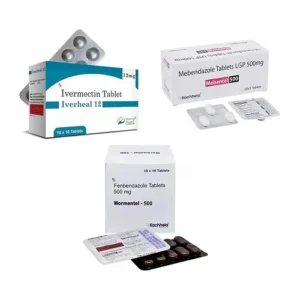
| Tablet/s | Wormentel 500mg (Fenbendazole) = 60 Pills, Mebentel 500mg (Mebendazole) = 60 Pills |
Related products


Recently Viewed