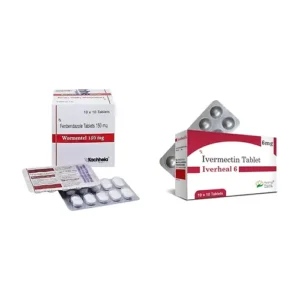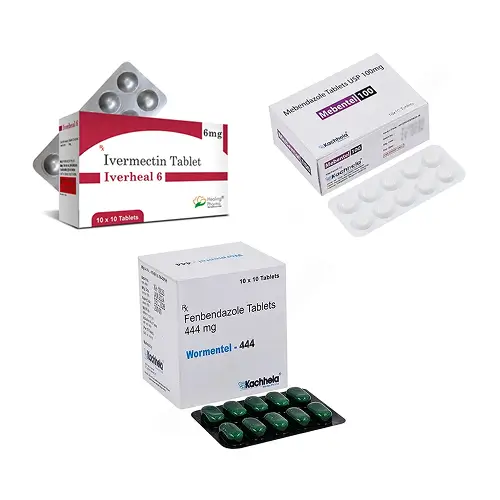
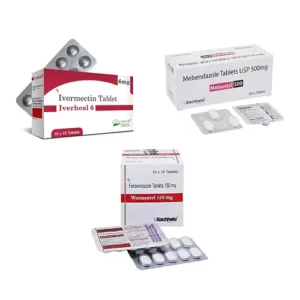
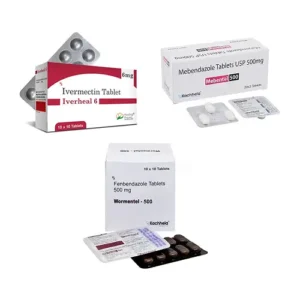
Fenbendazole 444 +Mebendazole 100+Ivermectin 6
Previous product
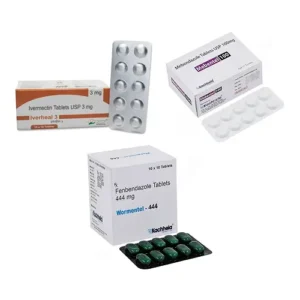
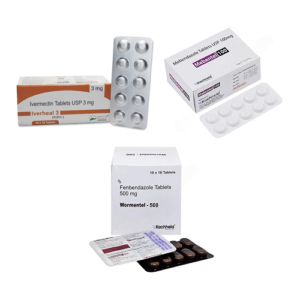
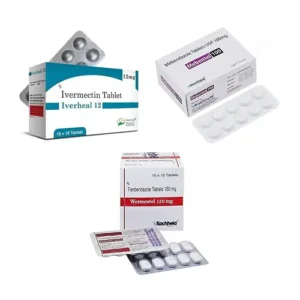
Fenbendazole 444+Mebendazole 100+Ivermectin 3
A$148.73 A$431.76Price range: A$148.73 through A$431.76
Next product
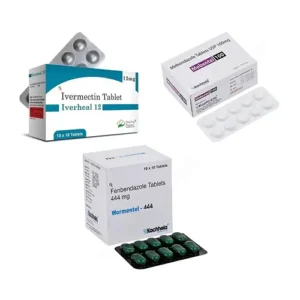
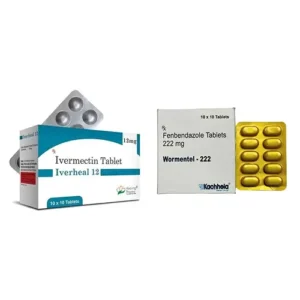
Fenbendazole 444+Mebendazole 100+Ivermectin 12
A$174.72 A$509.73Price range: A$174.72 through A$509.73
A$157.40 A$457.75Price range: A$157.40 through A$457.75
In Stock
In Stock
Fenbendazole 444 +Mebendazole 100+Ivermectin 6
| Pack Size | Price | Quantity | Add To Cart | |
|---|---|---|---|---|
| 1 Pack | A$157.40 | |||
| 2 Pack/s | A$306.13 | |||
| 3 Pack/s | A$457.75 | |||
| Want to order in bulk / B2B price? Send Inquiry | ||||
Offer You Can't Resist
Free Shipping
Enjoy Free Shipping on Orders above AUD304 (USD199)
Estimate Delivery :
16 September - 23 September
26
Trusted Service
Good experience overall. The team was responsive, the ordering process was simple, and I received clear information about my shipment. Professional service and good customer support.
 Australia
August 16, 2026
Last Updated on March 07, 2026

Description
In the field of treatments for antiparasitic diseases, a combination of various drugs is frequently employed to treat a wide variety of parasites with greater effectiveness. One such combination gaining attention is Fenbendazole 444 + Mebendazole 100 + Ivermectin 6. The triple-drug combination is a combination of three powerful antiparasitic drugs that have complementary strategies to fight diverse parasite-related infections in both animals and humans.
The blog will discuss how each component functions, what it does, and the way in which they work, and their functions do considerations, as well as the safety of each component, and answer frequently sought-after questions.
What is Fenbendazole 444 + Mebendazole 100 + Ivermectin 6?
Fenbendazole (444 mg)
Fenbendazole is an anthelmintic with a broad spectrum, which is primarily employed for treating intestinal parasites, including hookworms, roundworms, whipworms, and some tapeworms. It does this by disrupting the parasite’s capacity to take in glucose, effectively cutting it down to a halt.
Fenbendazole is extensively used as a veterinary medication for cats, dogs, and other livestock. It’s a well-known drug for its safe effectiveness and profile against a variety of protozoa and nematodes.
Mebendazole (100 mg)
Mebendazole is a different, powerful antihelmintic that is commonly employed by people to treat worm infections like whipworms, roundworms, pinworms, and hookworms. Much like fenbendazole blocks the synthesis of microtubules in parasites and prevents their absorption of nutrients and eventually causing their death.
It is typically employed as a stand-alone medication in medicine for humans; however, it is often paired with antiparasitics to provide a broader range of coverage.
Ivermectin (6 mg)
Ivermectin is a popular antiparasitic drug that is employed to treat many types of parasitic diseases, including strongyloidiasis (also known as onchocerciasis), river blindness. and Scabies. It acts by binding glutamate-gated chloride channels in muscle and nerve cells of parasites, which causes paralysis and the destruction of the parasite.
Ivermectin can be effective against a variety of external and internal parasites. It is extensively used in medical and veterinary practices.
Why Combine These Three Drugs?
Each of the drugs targets parasites differently. Combining them may result in an expanded range of actions with improved effectiveness, as well as decreased risk of developing resistance.
- Broad Spectrum: The group includes nematodes, cestodes, as well as ectoparasites.
- Synergistic Effects: Using different mechanisms reduces parasite survival chances.
- Convenience: One combination dose can treat multiple parasite species simultaneously.
- Resistance Management: Some parasites that are intolerant to one drug could be sensitive to other drugs.
Common Uses of Fenbendazole + Mebendazole + Ivermectin Combination
This combination of three is mostly employed in veterinary practices; however, it is also being studied for human treatment in certain areas, particularly in those where polyparasitism can be found in a lot of cases. The most common applications are:
- Treatment of multiple parasitic infections in animals (cattle, goats, sheep).
- The deworming of cats and dogs is for intestinal worms and external parasites.
- Treatment of multiple worm infections among individuals living in endemic regions.
- The treatment of resistant parasitic infections that don’t respond to monotherapy.
Dosage and Administration
Note: Dosage needs to be given by a vet or medical specialist. This is a general recommendation.
- Fenbendazole: The usual dose is 5-10 mg per kg body weight, based on the type of disease.
- Mebendazole: The usual dose is 100 mg twice a day for three days for human beings; doses for veterinary use vary.
- Ivermectin: The standard dosage is 0.2 mg/kg for the majority of parasites. However, the exact dosage is dependent on the particular infection.
The product combination Fenbendazole 444 mg + Mebendazole 100 mg + Ivermectin 6 mg could refer to the amount of a tablet with a fixed dose or suspension that is designed to simplify dosage.
Safety and Side Effects
General Safety
- They have a great margin of safety when taken in the dosages that are recommended.
- They are usually well accepted by both animals and people.
- Be cautious with animals suffering from impaired kidneys or livers.
Possible Side Effects
- A mild stomach disturbance (nausea, vomiting, diarrhea).
- Allergic reactions, though rare.
- Effects of neurology (dizziness or ataxia), particularly when ivermectin is overdosed.
- The risk of toxicity is increased if you overdose or if a dog breed that is sensitive to Ivermectin (e.g., Collies) is involved.
Contraindications
- Women who are lactating or pregnant must only do so under the supervision of a medical professional.
- Humans and animals with hypersensitivity to one or more of the ingredients.
- Particular breeds of dogs are sensitive to Ivermectin.
Important Considerations
- Always speak with a doctor or vet before beginning treatments.
- Make sure you have a precise weight measurement to ensure the correct dosage.
- Make sure you follow the entire treatment program to prevent recurrence or resistance.
- Keep a clean and healthy environment to avoid reinfection.
FAQ: Fenbendazole + Mebendazole + Ivermectin
Q1: Can this combination be used in humans?
Although fenbendazole and mebendazole have been allowed for use in humans on their own, Ivermectin, too, is recognized as a treatment for parasites in human beings. But, these combination drugs are typically used for veterinary use. All human usage must be under strict medical supervision.
Q2: Are there any risks of drug interactions?
They have a distinct mechanism of action and have no known interaction with one another. But mixing them with different medications must be considered with caution under medical counsel.
Q3: How soon does the treatment work?
The majority of antiparasitic treatments kill parasites after a few hours to a couple of days. However, complete elimination can take anywhere from 1-3 weeks, depending on the type of parasite and severity.
Q4: Can Ivermectin cause neurological problems?
Yes, certain dog breeds carry an inherited sensitivity to ivermectin. In high doses, it may cause neurologic symptoms. It is not common in humans with normal dosages.
Q5: What if the parasites return after treatment?
Infections can recur in cases where the cause cannot be identified and controlled. Recurring treatment and consistent hygiene habits may be required.
Q6: Is this combination safe for children?
Ivermectin and Mebendazole are often given to infants for specific diseases, but the safety of Fenbendazole for children is not well-established. It is only recommended for use with a physician’s approval.
Conclusion
Fenbendazole 444 + Mebendazole 100 + Ivermectin 6 are an effective antiparasitic combo with broad-spectrum action against an array of external and internal parasites. Although it is commonly employed in the field of veterinary medicine, this combination has potential for multiple parasite illnesses, specifically in situations where there is a significant burden of parasites.
If you suspect a parasite-related illness in you or your pet livestock, make sure you seek an expert diagnosis before applying any treatment combination. A proper dosage, strict respect for treatment, and subsequent care are essential for successful control of parasites and general well-being.
Additional Information
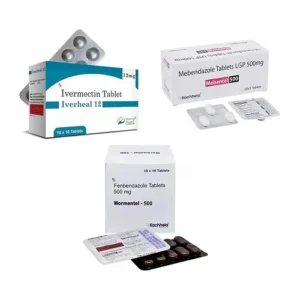
| Manufacturer | Healing Pharma, India, Kachhela Medex Pvt.Ltd |
|---|---|
| Pharmaceutical | Tablet/s |
| Tablet/s | Wormentel 444mg (Fenbendazole) = 60 Pills, Mebentel 100mg (Mebendazole) = 60 Pills, Iverheal 6mg (ivermectin) = 60 Pills |
Related products

Recently Viewed