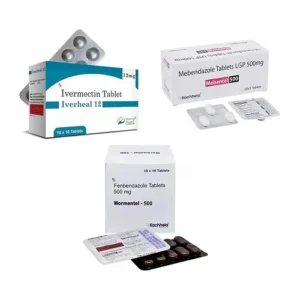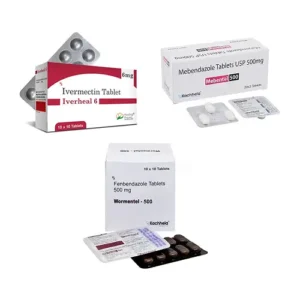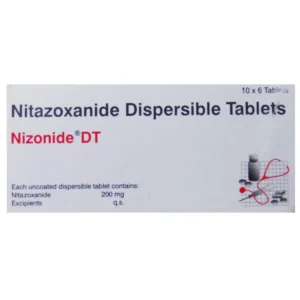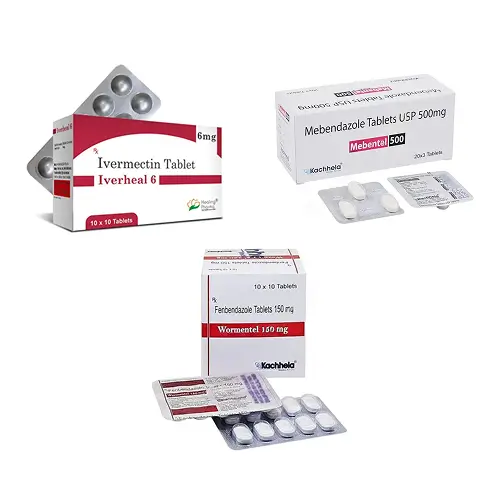
Fenbendazole 150+Mebendazole 500+Ivermectin 6
Previous product
Fenbendazole 150+Mebendazole 500+Ivermectin 3
A$149.80 A$435.40Price range: A$149.80 through A$435.40
Next product
Fenbendazole 150+Mebendazole 500+Ivermectin 12
A$175.00 A$511.00Price range: A$175.00 through A$511.00
A$158.20 A$460.60Price range: A$158.20 through A$460.60
In Stock
In Stock
Fenbendazole 150+Mebendazole 500+Ivermectin 6
| Pack Size | Price | Quantity | Add To Cart | |
|---|---|---|---|---|
| 1 Pack | A$158.20 | |||
| 2 Pack/s | A$308.00 | |||
| 3 Pack/s | A$460.60 | |||
| Want to order in bulk / B2B price? Send Inquiry | ||||
×
Sorry!! Out of Stock
Sorry! Fenbendazole 150+Mebendazole 500+Ivermectin 6 is out of stock
Please click below to view other similar medications.
View All Fenbendazole Products
Offer You Can't Resist
Free Shipping
Enjoy Free Shipping on Orders above AUD304 (USD199)
Estimate Shipping :
07 June - 14 June
32
Last Updated on February 25, 2026

Description
The common occurrence of parasitic infections is a public health issue throughout the world. The most effective treatment is essential for animals as well as humans. Three of the medications frequently mentioned in this regard include fenbendazole, mebendazole, and Ivermectin. Though they do share certain similarities, they each have distinctive properties, applications, and safety profiles. This blog delves into three antiparasitic medicines by describing their mechanism of action as well as their applications. It also addresses the most frequently asked queries.
What Are These Medications?
- Mebendazole is a widely utilized anti-worm drug that has been licensed for human consumption. It is effective in treating the intestinal parasites responsible for causing infections like roundworms, whipworms, and pinworms, as well as hookworms.
- Fenbendazole is part of the same class of drug as mebendazole (benzimidazoles); however, it is licensed for use in veterinary medicine. The most common reason for prescribing it is to treat parasites that affect animals, such as cats, dogs, and cattle. Despite its label for veterinary use, the drug has drawn the attention of a variety of people for possible off-label use.
- Ivermectin can be described as an antiparasitic medication that is broad-spectrum and used for both animals and humans. It is used to treat a variety of parasitic diseases that include onchocerciasis (river blindness) as well as strongyloidiasis and Scabies among humans. The drug is also extensively used in the veterinary field.
How Do These Drugs Work?
- Mebendazole is a drug that works by binding to the tubulin protein within parasites. It prevents the development of microtubules, which are vital to their existence. It stops parasites from absorbing nutrients and ultimately kills the parasites.
- Fenbendazole works similarly, by disrupting microtubules inside parasites. The affinity it has for the tubulin of parasites over the tubulin of mammals makes it highly effective, and also quite safe for animals.
- Ivermectin operates through an entirely different method of binding to certain chloride channels found in the parasite’s muscle and nerve cells. This causes paralysis as well as death. These channels don’t exist in human beings, which makes it possible for Ivermectin to attack parasites in a specific way.
Typical Dosages and Uses
- Mebendazole (500 mg dose example):
In the case of pinworms, one 100 mg dosage is common, usually repeated every 2 to 3 weeks. In the case of other worms, such as hookworms or roundworms, 100 mg once a day for 3 days is typical. At times, 500 mg in a single dose can be used to treat certain conditions. - Fenbendazole (150 mg dose example):
The dosage varies greatly for animals, mainly based on weight. In the case of dogs, they could get around 50 mg/kg over some days. There’s no standard dose that is effective or safe for humans. - Ivermectin (6 mg dose example):
Human doses generally are around 0.15 to 0.2 mg/kg based on the disease, usually as one dose. In the case of an average adult, a 6 mg dosage might be adequate based on the body’s weight.
Comparing Their Effectiveness
- Fenbendazole vs. Ivermectin: Studies on animals have shown that the combination of fenbendazole and the drug ivermectin has demonstrated high efficacy against worms in particular, often surpassing ivermectin by itself.
- Fenbendazole vs. Mebendazole: They share the same process, but they differ in the way they’re processed by your body, as well as the parasites that they are most effective at targeting. Mebendazole is more thoroughly researched and has been approved for use on humans and animals, while fenbendazole is best suited for animal parasites like liver flukes and lungworms.
Emerging Uses and Cautions
Recently, there’s been an interest in the benefits of anti-cancer properties from fenbendazole, mebendazole, and ivermectin, due to the fact that they disrupt the cellular process. There are reports that suggest some benefits, especially when combined therapies are used to treat aggressive tumors. But such treatments are still in the experimental phase, lack solid scientific evidence, and are not meant to substitute for standard cancer treatment.
Safety and Side Effects
- Mebendazole: It is generally well-tolerated; however, the potential for side effects includes gastrointestinal headaches, discomfort, as well as occasionally severe reactions such as reactions to allergens.
- Fenbendazole: Safety in humans for this product is not known, as it’s not approved for human consumption. Research on animals suggests low levels of toxicity; however, human reactions could vary.
- Ivermectin: Most likely to be safe when used according to the prescription. Some side effects can include nausea, dizziness, or a rash. A higher dosage or use of the drug may increase risks.
Frequently Asked Questions (FAQ)
- Can I take fenbendazole, mebendazole, and ivermectin together?
Combining these two drugs with no medical supervision isn’t suggested. Mebendazole and ivermectin both have approval by the FDA for use in humans; however, fenbendazole isn’t. There are several interactions and adverse effects that may happen. - Is fenbendazole safe for humans?
Fenbendazole is currently restricted to animals. The safety and efficacy of fenbendazole on humans have not been proven; therefore, it should not be administered under medical surveillance. - What parasites do these drugs treat?
- Mebendazole: Intestinal worms such as pinworms, roundworms, hookworms, and whipworms.
- Fenbendazole: Animal parasites including lungworms, liver flukes, and some tapeworms.
- Ivermectin: Parasites like onchocerciasis, strongyloidiasis, and scabies.
- Are these drugs effective against cancer?
The evidence is sporadic, primarily through laboratory research and personal research. They aren’t approved for the treatment of cancer, so more research is required. - What side effects should I watch for?
Common side effects can vary from drug to drug, but can include stomach problems, headaches, and allergic reactions. Make sure you adhere to the prescribed doses and speak with your doctor in case of any ailment or adverse reaction.
Final Thoughts
Fenbendazole, mebendazole, and Ivermectin are effective tools to fight parasites, each having a distinct place in medical practice. Mebendazole and ivermectin are both approved for use by humans and are beneficial for a wide range of parasites. Fenbendazole is a veterinary drug and must be utilized with caution in the veterinary setting.
Additional Information
| Manufacturer | Healing Pharma, India, Kachhela Medex Pvt.Ltd |
|---|---|
| Pharmaceutical | Tablet/s |
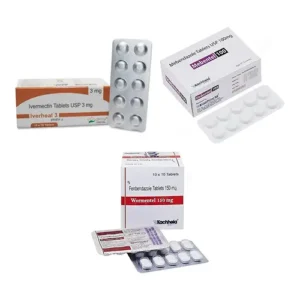
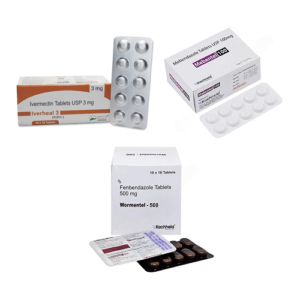
| Tablet/s | Wormentel 150mg (Fenbendazole) = 60 Pills, Mebentel 500mg (Mebendazole) = 60 Pills, Iverheal 6mg (ivermectin) = 60 Pills |
Related products