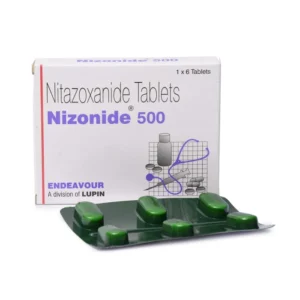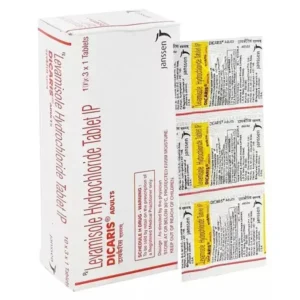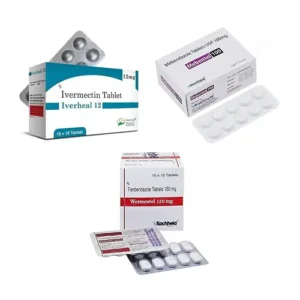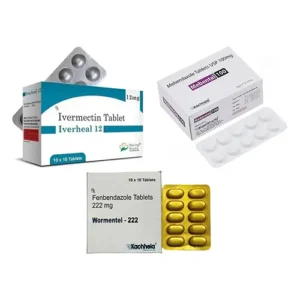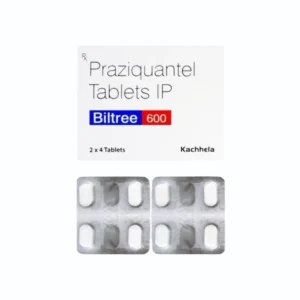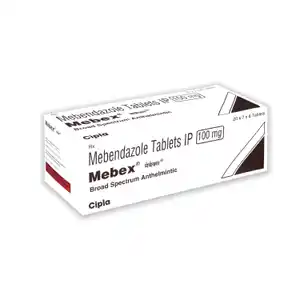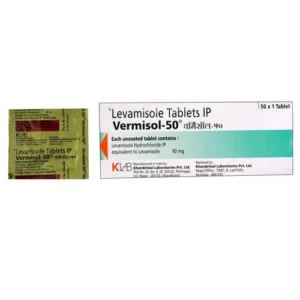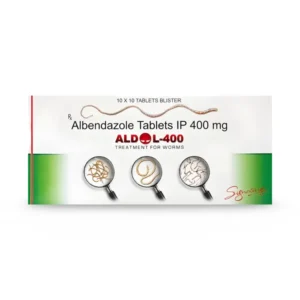
Fenbendazole 150+Mebendazole 500+Ivermectin 12
Previous product
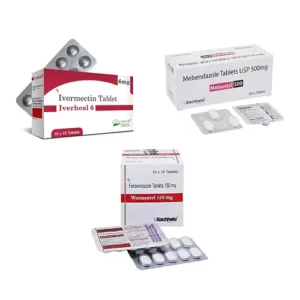
Fenbendazole 150+Mebendazole 500+Ivermectin 6
$113.00 $329.00Price range: $113.00 through $329.00
Next product
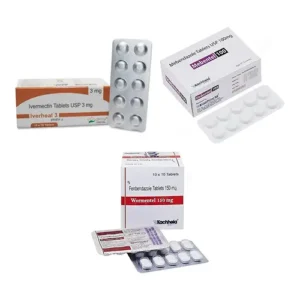
Fenbendazole 150+Mebendazole 100+Ivermectin 3
$91.00 $263.00Price range: $91.00 through $263.00
$125.00 $365.00Price range: $125.00 through $365.00
In Stock
In Stock
Fenbendazole 150+Mebendazole 500+Ivermectin 12
| Pack Size | Price | Quantity | Add To Cart | |
|---|---|---|---|---|
| 1 Pack | $125.00 | |||
| 2 Pack/s | $244.00 | |||
| 3 Pack/s | $365.00 | |||
| Want to order in bulk / B2B price? Send Inquiry | ||||
×
Sorry!! Out of Stock
Sorry! Fenbendazole 150+Mebendazole 500+Ivermectin 12 is out of stock
Please click below to view other similar medications.
View All Fenbendazole Products
Offer You Can't Resist
Free Shipping
Enjoy Free Shipping on Orders above AUD304 (USD199)
Estimate Shipping :
08 June - 15 June
38
Best quality
Quality medicines at reasonable prices. Delivery was faster than expected, and everything arrived in perfect condition.
 Australia
May 24, 2026
Last Updated on February 25, 2026

Description
Recent years have seen the mixture comprising Fenbendazole 150+Mebendazole 500+Ivermectin 12 receiving attention for its broad spectrum of antiparasitic benefits for both veterinary and, in certain situations, medical use for humans. These three medications–originally developed for parasite control–are now being discussed for a range of potential therapeutic roles, from deworming to experimental use in cancer research.
This blog post outlines how each component functions, what they do, how they interact, as well as what research suggests about their safety and effectiveness.
Overview of the Components
-
Fenbendazole (150 mg)
Fenbendazole is an anthelmintic of the benzimidazole extensively utilized in veterinary medicine to fight intestinal parasites, such as whipworms, roundworms, hookworms, and a few tapeworms. It acts by binding to tubulins in worms that are parasitic by disrupting their cell structures and killing the worms.
While it is the drug is not FDA-approved for use in humans, Anecdotal as well as early-stage research have investigated its use off-label, especially when it comes to cancer treatments. But more solid scientific evidence is needed.
-
Mebendazole (500 mg)
Mebendazole is a different benzimidazole antihelmintic that is FDA-approved to be used by humans. It’s commonly used to treat whipworm, pinworm, roundworm, hookworm, and pinworm ailments. Similar to fenbendazole and mebendazole, it inhibits microtubule production in parasitic worms. It hinders the absorption of glucose and leads to an energy loss, which can lead to death.
Mebendazole is a part of large-scale deworming campaigns across the world because of its effectiveness and the low incidence of adverse side effects.
-
Ivermectin (12 mg)
Ivermectin is a well-known antiparasitic drug that is used by animal and human beings. It functions by binding to glutamate-gated chloride channels in the cells of the parasite’s muscle and nerve, which causes paralysis and even death. It’s highly effective against both external and internal parasites such as lice, scabies, onchocerciasis, and strongyloides. (river blindness).
Ivermectin is also being investigated for application in viral infections like SARS-CoV-2 (COVID-19). However, definitive evidence is not yet available and remains contested.
Why Combine These Three Drugs?
The combination of fenbendazole, mebendazole, and ivermectin provides an antiparasitic broad-spectrum effect. This is why a combination is possible:
- Synergistic effects: Every drug targets parasites in diverse ways, thus reducing the possibility of developing resistance, and improving the effectiveness.
- Comprehensive coverage: Together, they target a wide array of parasites—nematodes, cestodes, and even ectoparasites.
- Emerging therapeutic interests: The preliminary studies have explored the potential antiviral and anticancer properties of these medicines; however, it is still experimental.
Combining these substances is not a typical procedure for medical treatment and shouldn’t be undertaken without supervision from a physician. The research is not extensive about the safety and pharmacokinetics of the use of all three on human beings.
Current Medical and Experimental Uses
| Drug | Approved Human Use | Experimental Use |
| Fenbendazole | No (veterinary only) | Potential anti-cancer agent |
| Mebendazole | Yes (various parasites) | Anti-cancer (preclinical) |
| Ivermectin | Yes (broad antiparasitic) | Antiviral, anti-inflammatory |
Cancer Research & Anecdotal Reports
A lot of the buzz regarding this mix comes from insubstantial assertions of anti-cancer benefits, specifically around the fenbendazole. Certain individuals have claimed it has assisted in removing tumors; however, no peer-reviewed large-scale clinical studies have confirmed this.
- Fenbendazole: The drug is shown to stop the growth of cancer cells in vitro through the inhibition of microtubules.
- Mebendazole: Certain studies have proven the ability of this drug to stop cancer growth in rodent models.
- Ivermectin: Examined for anticancer and antiviral qualities; early research suggests promising results; however, clinical trials on humans aren’t as thorough.
⚠️ Important Note: These findings may be interesting, but self-medicating with the veterinary drug could be risky. Always consult a healthcare provider.
Potential Side Effects
Although each is risk-free when taken in isolation and under the supervision of a medical professional, mixing them can increase the chance of adverse reactions:
Common Side Effects:
- Gastrointestinal discomfort (nausea, abdominal pain, diarrhea)
- Headache
- Dizziness
- Fatigue
Rare or Serious Effects:
- Liver toxicity (especially with prolonged use)
- Neurological symptoms (if overdosed)
- Allergic reactions
- Drug interactions with other medications
Patients suffering from liver diseases and neurological conditions, as well as patients taking blood thinners, anti-epileptic medicines, and immune modulators, need to take extreme care.
Who Should Avoid This Combination?
- Pregnant or breastfeeding individuals
- Children younger than 5 (unless otherwise specified)
- People suffering from liver disease or metabolic impairment
- Patients taking medication with a known interaction
- Someone who does not have a valid diagnosis or prescription
Dosage and Administration
Are there any medically or officially approved guidelines regarding the use of these mixes with each other. Individually:
- Fenbendazole (for pets): It is usually given every 3-5 days orally.
- Mebendazole: 100-500 mg in a single dose, or repeated every 2-3 weeks.
- Ivermectin: Dose of 12 mg once repeated for certain parasite infections.
Don’t avoid trying to use veterinary formulas only under the strict supervision of a medical professional.
Frequently Asked Questions (FAQ)
Q1: Can I use Fenbendazole as a cancer treatment?
There is currently no official approval from the health sector that can approve fenbendazole in the treatment of cancer. Some evidence is available, but clinical trials are necessary. Self-treatment is not always safe. Consult your physician.
Q2: Is it safe to take these three drugs together?
The data available is not extensive on the use in combination of these three substances in humans. Each is somewhat innocuous on its own; the combination of the three increases risk but without obvious benefit. A medical professional’s supervision is crucial.
Q3: Where can I buy Fenbendazole for humans?
Fenbendazole can be a veterinarian drug. The use of it by humans is not on the label and should not be advised without medical supervision. Certain websites may provide the drug like modalertaustralia
Q4: Can Ivermectin be used to prevent COVID-19?
The initial studies suggested a beneficial effect against viruses, but larger studies have revealed inconsistent or even negative results. The majority of health professionals are not recommending ivermectin in COVID-19 treatment or prevention outside of clinical research.
Q5: Are there natural alternatives to these drugs?
Although some natural antiparasitics (like black walnut, wormwood, and clove) are advertised on the internet but their effectiveness is not proven and is not as dependable. Always seek out a certified medical professional.
Q6: What are the signs of a parasitic infection?
Common signs include:
- Chronic diarrhea
- Abdominal pain
- Unexplained weight loss
- Fatigue
- Itching around the anus (especially at night)
Tests using stool samples or bloodwork are crucial before beginning treatment.
Conclusion
The mix that consists of Fenbendazole 150 mg + Mebendazole 500 mg + Ivermectin 12 mg is an interesting yet novel therapy concept. Although each drug holds some place in antiparasitic therapies, Ivermectin and mebendazole are two of the most popular in the field of human medicine, but fenbendazole has not been approved for use in human medicine.
The anti-cancer and antiviral benefits of these medicines are under investigation, but self-medicating using this trio, particularly with the products of veterinary medicine, can be risky. A medical consultation, as well as lab tests, must always be the primary guideline for treatment.
Additional Information
| Manufacturer | Healing Pharma, India, Kachhela Medex Pvt.Ltd |
|---|---|
| Pharmaceutical | Tablet/s |
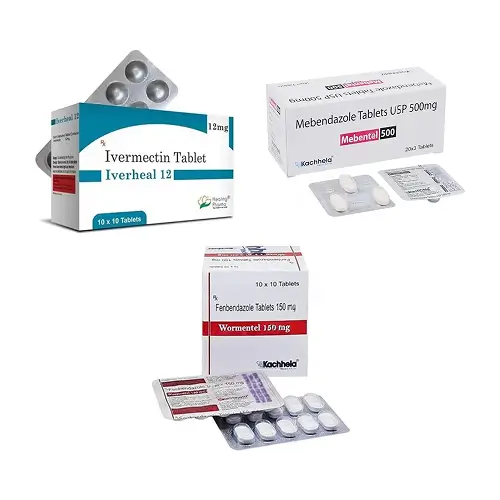
| Tablet/s | Wormentel 150mg (Fenbendazole) = 60 Pills, Mebentel 500mg (Mebendazole) = 60 Pills, Iverheal 12mg (ivermectin) = 60 Pills |
Related products