Fenbendazole 150+Ivermectin 12
Previous product
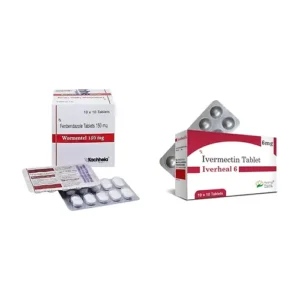
Fenbendazole 150+Ivermectin 6
A$107.80 A$309.40Price range: A$107.80 through A$309.40
Next product

Fenbendazole 500+Mebendazole 500
A$88.20 A$250.60Price range: A$88.20 through A$250.60
A$124.60 A$359.80Price range: A$124.60 through A$359.80
In Stock
In Stock
Fenbendazole 150+Ivermectin 12
| Pack Size | Price | Quantity | Add To Cart | |
|---|---|---|---|---|
| 1 Pack | A$124.60 | |||
| 2 Pack/s | A$240.80 | |||
| 3 Pack/s | A$359.80 | |||
| Want to order in bulk / B2B price? Send Inquiry | ||||
Offer You Can't Resist
Free Shipping
Enjoy Free Shipping on Orders above AUD304 (USD199)
Estimate Shipping :
07 June - 14 June
27
Last Updated on February 25, 2026

Description
Overview
Fenbendazole 150mg + Ivermectin 12mg is a potent broad-spectrum antiparasitic mixture frequently used in veterinary medicine. It is often discussed as an off-label option for usage in humans under the guidance of a physician. The formulation provides two mechanisms to get rid of internal parasites that include intestinal parasites such as nematodes and worms. It also eliminates specific outside parasites.
Although widely utilized in animal species like horses, dogs, and cattle, more new interest has emerged in its use for human use, particularly in the field of antihelmintic treatment well as immune-support, as well as the emergence of new areas of research. Human use must be recommended by a certified medical specialist.
What is it?
The combination medication includes:
- Fenbendazole (150mg) – A benzimidazole-class anthelmintic that is effective against an array of parasites in the intestinal tract.
- Ivermectin (12mg) – A macrocyclic lactone, which is macrocyclic lactone that targets both external and internal parasites. This includes mites as well as Strongyloides.
Together, they can provide a synergistic impact through targeting various ways of infection, which reduces the risk of infections and improves the outcomes of treatment.
Primary Indications
Fenbendazole + Ivermectin are recommended to treat:
Veterinary Use (Approved)
- Treatment of roundworms, hookworms, whipworms, and tapeworms
- Control of strongyles and lungworms
- Control of external parasites (mites, lice)
- The deworming procedure is used in cattle, cats, dogs, horses, and small animals
Off-label Human Use (Research & Clinical Supervision)
- Strongyloidiasis, ascariasis, and other helminthic infections
- A growing interest is being shown for the field of cancer research supports (fenbendazole is currently under investigation in the beginning to determine whether it has properties that suppress tumours but is but it is not yet approved)
- Parasite detox protocols (under physician guidance)
Important: The use of human medicine must be monitored clinically only. The self-medication of veterinary medications is not advisable.
How It Works
Fenbendazole Mechanism
Fenbendazole impedes microtubules that form in parasite cells via binding to B-tubulin. The parasites are unable to absorb glucose. The ability to absorb glucose and which causes them to die due to an energy deficit.
Ivermectin Mechanism
Ivermectin connects with glutamate-gated chloride channels within muscle and nerve cells of parasites. This causes an involuntary paralysis that can lead to death. It also fights external parasites through perturbing the nervous system.
Dosage & Administration (Veterinary Context)
| Animal Type | Fenbendazole Dose | Ivermectin Dose | Frequency |
| Dogs | 50mg/kg for 3 days | 0.2mg/kg once | Every 3–6 months (deworming) |
| Cats | As directed by vet | As directed by vet | Based on age/weight |
| Horses/Livestock | 7.5mg/kg (Fenbendazole) | 0.2mg/kg (Ivermectin) | 8–12 week intervals |
Note: Human doses should only be prescribed by a registered physician after confirmation of the diagnosis.
Safety and Precautions
In Animals
- Avoid using on extremely young or obese pets without a vet’s approval
- It is not recommended for pets with well-known Ivermectin sensitivities (e.g., Collies)
- Beware of pregnancy during the first trimester unless you are advised to do so.
- Be sure to follow the specific weight of your dosing
In Humans (Experimental)
- Do not take medication without supervision
- Check kidney and liver function when using for extended periods of time
- It is not suitable for those who are breastfeeding or pregnant.
- Possibility of drug interactions that are triggered by anticoagulants, blood thinners, and CNS depressants.
Potential Side Effects
In Animals
- Mild vomiting or diarrhoea
- Lethargy for 24–48 hours
- Hypersalivation (especially in cats)
- Neurological symptoms in ivermectin-sensitive breeds
In Humans (Possible)
- Dizziness, nausea, or stomach cramps
- Skin rash or itching
- Headache or fatigue
- Liver enzyme elevation (with prolonged fenbendazole use)
Take immediate medical care if there are symptoms of an allergic reaction, extreme abdominal pain, or neurological change.
Storage Instructions
- Store below 25°C
- Store in original blisters or in a container
- Be sure to shield yourself from direct light and water
- Stay away from animals, children, or unauthorized users
Key Benefits of This Combination
- Broad-spectrum antiparasitic effect
- It targets both the larval and adult stages of parasites
- Ideal for resistant or mixed infection
- Double mechanism improves efficacy and lowers risk of the risk of reinfection
- New research is being conducted on off-label therapeutic possibilities
Product Summary Table
| Feature | Details |
| Active Ingredients | Fenbendazole 150mg + Ivermectin 12mg |
| Drug Class | Anthelmintic (Benzimidazole + Avermectin) |
| Primary Use | Deworming & parasite control |
| Route | Oral |
| Frequency | Per vet or physician instructions |
| Suitable For | Animals (approved), Humans (off-label only) |
| Side Effects | GI upset, rash, drowsiness |
| Storage | Below 25°C, dry place |
Frequently Asked Questions (FAQs)
-
What is Fenbendazole + Ivermectin used for?
It is used to treat many types of internal and external parasites, specifically in the veterinary setting. The use of this medication for humans is not permitted and is only medically monitored.
-
How does this combination work differently from single dewormers?
Fenbendazole impedes parasites’ sugar absorption. Ivermectin disables the nervous system. This dual-action results in greater reach and higher killing rates.
-
Can humans take this medication?
It is only used with strict medical supervision. Certain doctors may recommend it to treat helminthic diseases; however, self-use of the veterinary drug is not recommended.
-
Is it safe for puppies or kittens?
In weight-adjusted dosages only and in accordance with the prescription of a veterinarian. It is not recommended for very small or overweight animals.
-
How often should pets be dewormed?
Every three to six months, based on how you eat, your lifestyle, and exposure risk.
-
Does it prevent reinfection?
It can treat active diseases. Reinfection can happen in the absence of hygiene and environmental management.
-
Is there any link to cancer treatment?
Fenbendazole is currently being studied to determine its anti-tumour effects; however, it’s not yet an FDA-approved treatment. Ask your physician for options based on scientific evidence.
-
Can I give this to my dog with other meds?
Talk to your vetCertain medicines (especially neurological or immunosuppressive medications) might interfere with Ivermectin.
-
Are there dietary requirements while using this medicine?
The information is not precise; however, the intake of fibre and hydration aid in better GI tolerability and the removal of dead parasites.
-
What should I do if I miss a dose?
Take the dose as soon as you remember, unless it’s near the next. Avoid double doses.
Final Thoughts
Fenbendazole 150mg + Ivermectin 12mg provide powerful, comprehensive protection against parasites. When used in treatment for animals and under medical supervision outside of the label, the combination offers an effective and secure defense against invaders from within. But, responsible usage is crucial — particularly for humans to ensure that there are no adverse side effects or abuse. Always adhere to the directions of a medical or veterinary practitioner prior to using.
Additional Information
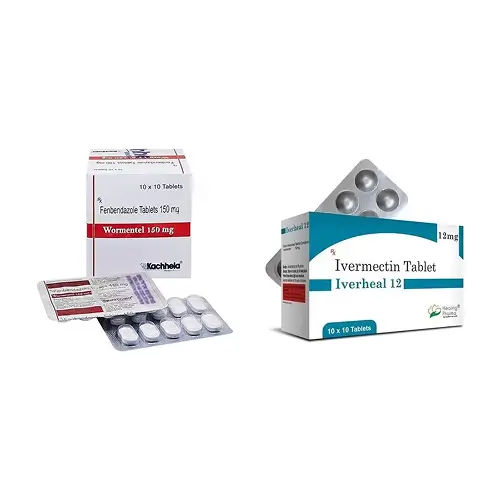
| Manufacturer | Healing Pharma, India, Kachhela Medex Pvt.Ltd |
|---|---|
| Pharmaceutical | Tablet/s |
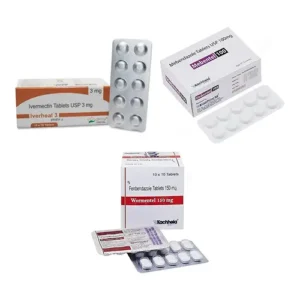
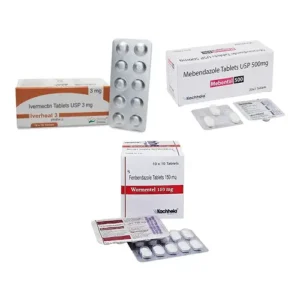
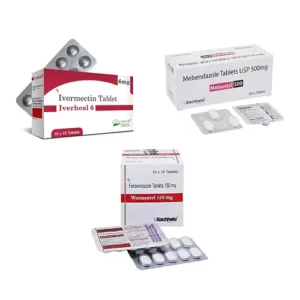
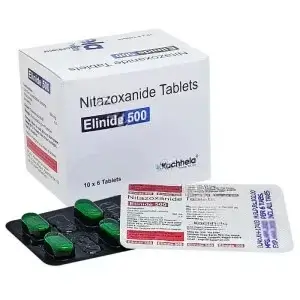
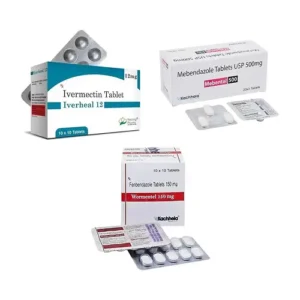
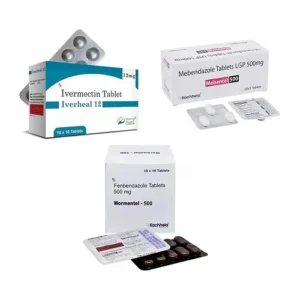
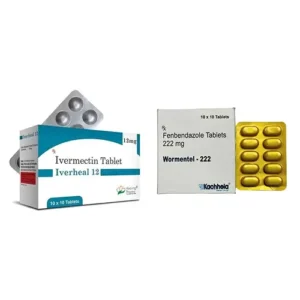
| Tablet/s | Wormentel 150mg (Fenbendazole) = 60 Pills, Iverheal 12mg (ivermectin) = 60 Pills |
Related products