
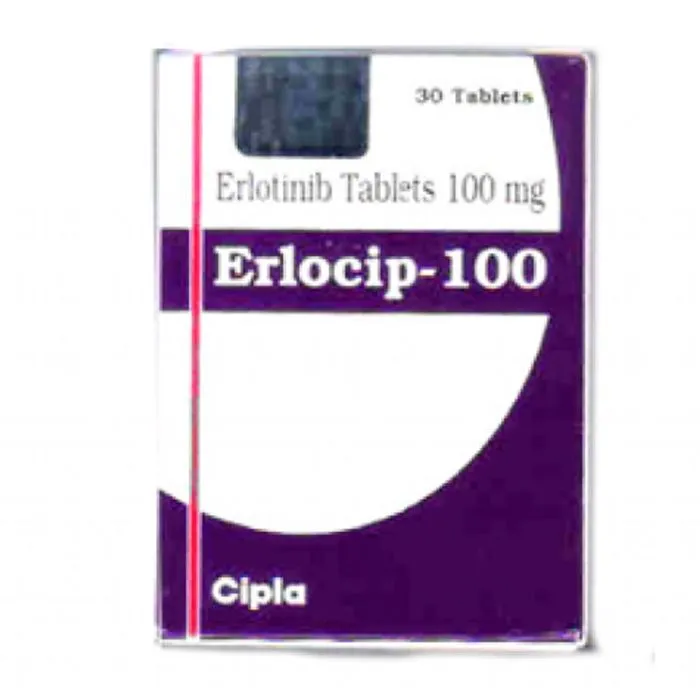
Erlocip 100mg (Erlotinib)
Previous product

Alphalan 2mg (Melphalan)
$95.00 $260.00Price range: $95.00 through $260.00
Next product
Naltima 50mg (Naltrexone)
$96.00 $224.00Price range: $96.00 through $224.00
$141.00 $271.00Price range: $141.00 through $271.00
In Stock
| Manufacturer | Cipla Inc |
In Stock
Erlocip 100mg (Erlotinib)
| Pack Size | Price | Quantity | Add To Cart | |
|---|---|---|---|---|
| 30 Tablet/s | $141.00 | |||
| 60 Tablet/s | $271.00 | |||
| Want to order in bulk / B2B price? Send Inquiry | ||||
×
Sorry!! Out of Stock
Sorry! Erlocip 100mg (Erlotinib) is out of stock
Please click below to view other similar medications.
View All Erlotinib Products

Offer You Can't Resist
Free Shipping
Enjoy Free Shipping on Orders above AUD304 (USD199)
Estimate Shipping :
09 September - 16 September
46
Trusted Service
Good experience overall. The team was responsive, the ordering process was simple, and I received clear information about my shipment. Professional service and good customer support.
 Australia
August 16, 2026
Last Updated on December 06, 2025

Description
Erlocip 100mg, which contains Erlotinib, is an essential medicine that is used for primary chemotherapy for cancer. It’s part of the class of medicines that are known as Tyrosine Kinase Inhibitors (TKIs) and has made a significant breakthrough in the field of targeted treatment, particularly for specific types of pancreatic and lung cancers.
In this post, we’ll look at the details of what Erlocip 100mg does and how it functions, who is recommended to take it, the potential adverse effects, and the solutions to some commonly requested questions.
What Is Erlocip 100mg (Erlotinib)?
Erlocip is the name used for Erlotinib, which is an oral chemotherapy drug that blocks and targets the epidermal growth factor receptor (EGFR) tyrosine kinase. EGFR is a key player in cell division and growth. Many cancers show that EGFR can be overactive or transformed, which can cause the growth of tumors that are not controlled.
Through blocking EGFR, Erlotinib disrupts cancer cell proliferation and ultimately slows or stops the growth of tumors.
Approved Uses of Erlocip 100mg
Erlocip 100mg is used to treat:
- Non-Small Cell Lung Cancer (NSCLC):
- Particularly in patients suffering from advanced NSCLC who are suffering from specific mutations within the EGFR gene.
- It can be utilized as a first-line treatment after chemotherapy or as a follow-up.
- Pancreatic Cancer:
- Gemcitabine in combination with it for locally advanced, unresectable, or metastatic pancreatic tumors.
Since Erlotinib is a specific therapy, and is usually supported by genetic testing to verify EGFR mutations that affect the tumor.
How Does Erlocip Work?
The cancer cells depend on a variety of growth signals in order to grow. EGFR is one of these signal receptors that is found on the outside of a few cancerous cells.
Erlotinib specifically binds to the tyrosine kinase area of EGFR in cancer cells and blocks the activation of EGFR. It blocks downstream signaling pathways that are essential for survival and division of cancer cells.
The inhibition of EGFR leads to:
- Reduced tumor cell proliferation
- Induction of cancer cell death (apoptosis)
- Slowed tumor growth
Dosage and Administration
Erlocip 100mg should be consumed every day in the form of oral tablets, which are taken in a glass of water. It may be consumed in conjunction with and without meals.
- The dosage can differ depending on the severity of the illness, as well as the advice of the physician. Most often, the dosage is 150mg daily. However, certain patients might start at 100 mg.
- The treatment will continue until cancer is advanced or an unacceptable level of toxicity develops.
- Avoid chewing or crushing the tablet.
Be sure to follow the dose as prescribed and follow the schedule closely.
Side Effects of Erlocip (Erlotinib)
As with all cancer treatments, Erlocip can cause side effects. A majority of them can be managed by taking supportive measures; however, others may require dosage adjustment or removal.
Common Side Effects:
- Rash (acneiform rash is very common and often correlates with treatment response)
- Diarrhea
- Fatigue
- Loss of appetite
- Nausea and vomiting
- Cough or shortness of breath
Less Common but Serious Side Effects:
- Interstitial lung disease (rare but potentially fatal; symptoms include sudden cough, fever, or difficulty breathing)
- Liver toxicity (elevated liver enzymes)
- Eye irritation or keratitis
- Severe diarrhea leading to dehydration
- Bleeding complications
If you notice an extreme rash, difficulty breathing, or jaundice, get urgent medical care.
Precautions and Warnings
Before starting Erlocip, inform your doctor if you:
- Have any lung or breathing problems (e.g., COPD, asthma)
- Have liver disease
- Are pregnant or breastfeeding
- You may also be taking other medicines, particularly those that impact liver enzymes (CYP3A4 inducers or inhibitors)
- Have a history of severe skin reactions
Erlotinib could reduce the efficacy of hormonal contraceptives. Therefore, consider using alternative methods of contraception during treatment.
Drug Interactions
Erlotinib is processed primarily through its CYP3A4 enzyme. The drugs that inhibit this enzyme may increase or reduce Erlotinib levels, which can affect its effectiveness and toxicity.
- Avoid strong CYP3A4 inhibitors (e.g., ketoconazole, ritonavir).
- Avoid CYP3A4 inducers (e.g., rifampin, phenytoin).
- Smoking decreases Erlotinib blood levels and may reduce its effectiveness.
- Antacids and proton pump inhibitors (PPIs) can reduce Erlotinib absorption; separate dosing times.
Always speak with your doctor prior to beginning any new drug or supplement.
Benefits of Erlocip 100mg
- It provides a focused method for the treatment of cancers that suffer from EGFR mutations.
- Improve prognosis-free survival for patients suffering from NSCLC.
- Oral administration allows for convenient treatment at home.
- They often have fewer negative side effects than chemotherapy, which is more traditional.
- This can be combined with other drugs like gemcitabine to treat pancreatic cancer.
Storage Instructions
- Keep Erlocip tablets in a cool, dry place, between 15°C to 30°C (59°F and 85°F).
- Place tablets back in the original container and close tightly.
- Be sure to shield yourself from light and moisture.
- Be sure to keep away from youngsters.
Frequently Asked Questions (FAQs)
-
Can Erlocip 100mg cure cancer?
Erlotinib isn’t a cancer treatment; however, it may reduce the growth of tumors and help improve the symptoms. It can prolong the duration of survival and improve the quality of life for many cancer patients.
-
How long does it take for Erlocip to show effects?
The response to Erlotinib may vary. Certain patients experience improvement in their symptoms within a matter of weeks. Imaging tests usually occur following six to eight weeks to determine the extent of tumor resistance.
-
Is Erlocip safe during pregnancy?
No, it’s not true; Erlotinib can cause serious harm to a pregnant fetus. Women who are pregnant or planning the birth of a child should stay clear of this medication and talk about contraception with their physician.
-
What should I do if I miss a dose?
If you don’t take your dose, get it back whenever you remember, unless you are near the time to take your next dose. Avoid taking two doses to cover.
-
Can I drink alcohol while taking Erlocip?
Alcohol can increase the effects of adverse effects such as fatigue and liver damage. You should restrict or stop drinking alcohol while on treatment.
-
Will Erlocip cause hair loss?
Loss or thinning of hair is not common in Erlotinib, contrary to conventional chemotherapy.
-
What skin care should I follow during treatment?
Since rashes are common so keep your skin moisturized, keep away from exposure to the sun, and use gentle skin products. Contact your doctor if your rash gets worse.
-
Can Erlocip be used with chemotherapy?
Yes, Erlotinib may indeed be used in conjunction with chemotherapy drugs, such as gemcitabine, for pancreatic cancer. The doctor can guide you on your treatment plan to the best possible level.
-
Does smoking affect Erlocip treatment?
Yes, smoking can lower the levels in blood of the drug as well as its efficiency. Patients should be recommended to stop smoking throughout treatment.
-
Are there any dietary restrictions?
There are no strict restrictions on diet, but be sure to avoid using Erlotinib together with anti-acids or PPIs in close proximity since they could alter the absorption.
Conclusion
Erlocip 100mg (Erlotinib) is a major improvement in the treatment of cancer that offers a targeted treatment specifically for patients with non-small cell lung cancer as well as pancreatic cancer. Erlotinib provides the advantages of oral therapies and specific inhibition of tumor growth, with an acceptable side-effect profile.
Patients who are taking Erlocip must adhere to the prescribed dosage, notify side effects quickly, and visit regularly to be monitored.
If you or your loved one has been prescribed Erlocip, knowing its functions as well as its benefits and risks can help you more effectively manage your treatment and enhance results.
Additional Information
| Pack Size | 30 Tablet/s, 60 Tablet/s |
|---|
Related products


Reviews
There are no reviews yet.