

Eliquis 5mg (Apixaban)
Previous product
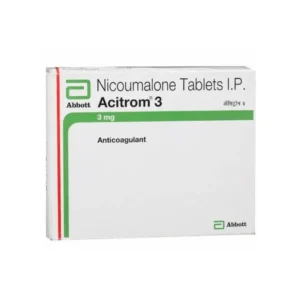
Acitrom 3mg (Nicoumalone)
A$27.30 A$63.00Price range: A$27.30 through A$63.00
Next product
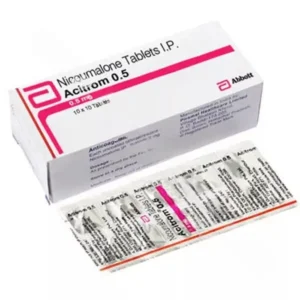
Acitrom 4mg (Nicoumalone)
A$33.60 A$77.00Price range: A$33.60 through A$77.00
A$142.80 A$347.20Price range: A$142.80 through A$347.20
In Stock
In Stock
Eliquis 5mg (Apixaban)
| Pack Size | Price | Quantity | Add To Cart | |
|---|---|---|---|---|
| 20 Tablet/s | A$142.80 | |||
| 40 Tablet/s | A$235.20 | |||
| 60 Tablet/s | A$347.20 | |||
| Want to order in bulk / B2B price? Send Inquiry | ||||
×
Sorry!! Out of Stock
Sorry! Eliquis 5mg (Apixaban) is out of stock
Please click below to view other similar medications.
View All Apixaban Products
Offer You Can't Resist
Free Shipping
Enjoy Free Shipping on Orders above AUD304 (USD199)
Estimate Shipping :
07 June - 14 June
29
Last Updated on December 01, 2025

Description
Eliquis 5mg with an active component, Apixaban, which is an effective oral anticoagulant (blood thinner), employed to stop and treat severe blood clots. The medication is typically given to people who are at risk for stroke or deep vein thrombosis (DVT), PE, (PE), or patients undergoing specific surgeries such as knee and hip replacements. Its main benefit over previous blood thinners is the predetermined dosage, no need for regular monitoring, and fewer restrictions on diet.
This blog will cover all you should learn about Eliquis 5mg, starting with how it functions as well as its medical uses, the precautions, side effects, and patient-specific FAQs.
What is Eliquis 5mg?
Eliquis can be the name of the brand to refer to Apixaban, a Direct oral anticoagulant (DOAC). A 5 mg dose is commonly employed for the maintenance treatment of adults who are at risk of blood clot development or recurrence.
Drug Class:
- Direct Factor Xa Inhibitor
- Oral Anticoagulant
Apixaban operates by blocking Factor Xa, an essential enzyme in the process of blood clotting. Inhibiting this enzyme, Eliquis aids in stopping blood from clotting too quickly and lowering the chance of blood clots (clots that can spread and block vital blood vessels).
Medical Uses of Eliquis 5mg
Eliquis can be prescribed to control or stop the development of several life-threatening illnesses.
- Prevention of Stroke and Systemic Embolism in Non-Valvular Atrial Fibrillation (AFib)
- Atrioventricular fibrillation is a heart rhythm condition that can increase the chance for blood clots to form within the Atria.
- The clots could be transported to the brain and trigger strokes.
- Eliquis aids in reducing the risk of stroke without the need for routine INR monitoring, as opposed to warfarin.
- Treatment of Deep Vein Thrombosis (DVT) and Pulmonary Embolism (PE)
- DVT is a clot that is formed within deep veins (usually located in the legs). The PE happens in the event that a portion of that break-offs and moves to the lungs.
- Eliquis can be utilized to deal with existing bleeding clots as well as to prevent the occurrence of clots.
- Prevention of DVT After Hip or Knee Replacement Surgery
- Major orthopedic surgeries can increase the likelihood of the formation of clots because of the limited mobility.
- Eliquis assists in preventing Postoperative DVT as well as PE.
Dosage and Administration
Standard Dosing for Adults:
- Atrial Fibrillation: 5mg twice daily
- DVT/PE Treatment: Begin with 10 mg twice a day for seven days. After that, move to 5 mg twice a day
- Post-Surgery Prophylaxis: 2.5mg every day (not the dose of 5 mg)
- Dose Adjustment: Patients who have two of the following: age >80 years, weight less than 60 kg, serum creatinine greater than 1.5 mg/dL–may require a lower dosage (2.5mg once daily)
Administration Tips:
- It can be consumed in combination with or without food
- It is recommended to take them at the exact times every day.
- If you missed a dose, you should take it as quickly as you remember; don’t take the dosage twice.
How Eliquis Works
Eliquis specifically inhibits the factor Xa, which is a major participant in the coagulation cascade. The blockage of this factor stops the transformation of prothrombin to thrombin and prevents the development of fibrin blood clots. The body can maintain a fluid, free of clots, circulation in cases where the development of clots is a major danger.
Unlike warfarin, Eliquis has:
- The rapid start of the action
- Predictable pharmacokinetics
- Fewer interactions with other drugs
- There is no need to perform periodic blood tests
Advantages of Eliquis Over Traditional Anticoagulants
| Feature | Eliquis (Apixaban) | Warfarin |
| Routine INR Monitoring | Not required | Required |
| Food Restrictions | Minimal | Many (e.g., vitamin K) |
| Onset of Action | Fast (3–4 hours) | Slow (3–5 days) |
| Reversal Agent | Yes (Andexanet alfa) | Yes (Vitamin K) |
| Drug Interactions | Fewer | Numerous |
Potential Side Effects
Similar to any other medication, Eliquis may cause side effects, which are usually caused by its blood-thinning effects.
Common Side Effects:
- Easy bruising
- Nosebleeds
- Bleeding gums
- Prolonged bleeding from cuts
- Menstrual bleeding (heavier than normal)
Serious but Rare Side Effects:
- Gastrointestinal bleeding
- Intracranial hemorrhage
- Blood in urine or stools (dark, tarry stools)
- Low blood pressure due to bleeding (dizziness, fainting)
If you notice any indications of internal bleeding, a severe headache, or breathing difficulties, seek immediate medical assistance.
Contraindications and Precautions
Do Not Use If:
- Active bleeding or high risk of bleeding
- History of bleeding disorders
- Severe liver impairment
- Allergic reaction to Apixaban or any inactive ingredients
Use with Caution In:
- Kidney or liver disease
- History of ulcers or gastrointestinal bleeding
- Use of anticoagulants in conjunction with other antiplatelet drugs (increases the risk of bleeding)
- Seniors with an insufficient body mass
Drug Interactions
Eliquis can interact with other drugs:
Increased Bleeding Risk:
- NSAIDs (e.g., ibuprofen, naproxen)
- SSRIs/SNRIs (e.g., fluoxetine, venlafaxine)
- Antiplatelet drugs (e.g., aspirin, clopidogrel)
Altered Drug Levels:
- CYP3A4 and P-gp inhibitors (e.g., ketoconazole, ritonavir) can increase apixaban levels
- Inducers (e.g., rifampin, carbamazepine) may decrease its effectiveness
Inform your doctor of the medications and supplements that you’re taking.
Reversal of Eliquis Effects
When there is an emergency, like massive bleeding or surgery that is urgent, the anticoagulant properties of Eliquis are reversed with andexanetalfa (FDA-approved Reversal agent). Other times, it is recommended to use supportive care, and activated charcoal could be employed when the ingestion occurred recently.
Use in Special Populations
Pregnancy and Breastfeeding:
- Eliquis can be utilized in pregnancies only if necessary
- The drug could be found in breast milk. If so, consult your physician
Elderly:
- A higher sensitivity to risks of bleeding
- It may need smaller doses depending on kidney performance and weight
Children:
- It is not often prescribed for children’s use
Storage and Handling
- Keep Eliquis tablet at room temperature (20-25°C)
- Avoid the heat and moisture
- Keep it in the original packaging until you need it.
- Make sure that the items are out of the reach of young children
Patient FAQs
-
Can Eliquis be stopped abruptly?
No. Stopping abruptly can increase the chance of strokes or clot formation. Always consult your doctor before stopping.
-
Can I drink alcohol while taking Eliquis?
Moderation is essential. Excessive alcohol consumption can increase the risk of bleeding and must be abstained from.
-
Can I take Eliquis with food?
Yes, Absolutely, Eliquis may be used in combination with or without eating. It is more crucial than the amount of food consumed.
-
Do I need blood tests while on Eliquis?
Monitoring of blood coagulation (INR) is not necessary, in contrast to warfarin. But, periodic kidney and tests for liver function tests might be needed.
-
How soon does Eliquis start working?
The process usually begins in 3-4 hours following ingestion.
Conclusion
Eliquis 5mg (Apixaban) is a contemporary, efficient, and simple oral anticoagulant, which has greatly enhanced the control of stroke clots as well as blood clot prevention. Its consistent effect, simplicity to use, and decreased requirement for monitoring make it a popular choice among many clinicians and patients.
But Eliquis is still a powerful anticoagulant and is to be taken with caution. Patients must be aware of bleeding dangers, be aware of possible interactions with drugs, and adhere to instructions from a medical professional with care. If you take the proper precautions, Eliquis may provide lifesaving safety to those who are susceptible to thromboembolic events.
Related products




Recently Viewed


Reviews
There are no reviews yet.