

Duonase Nasal Spray
Previous product
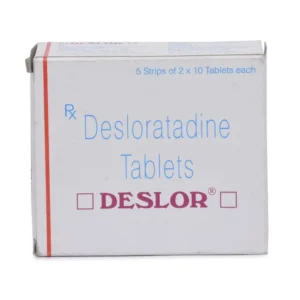
Deslor 5mg (Desloratadine)
$18.00 $36.23Price range: $18.00 through $36.23
Next product
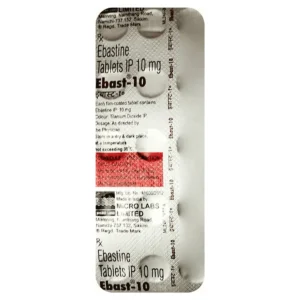
Ebast 10mg (Ebastine)
$36.00 $54.00Price range: $36.00 through $54.00
$30.00 $81.00Price range: $30.00 through $81.00
In Stock
In Stock
Duonase Nasal Spray
| Pack Size | Price | Quantity | Add To Cart | |
|---|---|---|---|---|
| 3 Nasal Spray | $30.00 | |||
| 6 Nasal Spray | $58.00 | |||
| 9 Nasal Spray | $81.00 | |||
| Want to order in bulk / B2B price? Send Inquiry | ||||
×
Sorry!! Out of Stock
Sorry! Duonase Nasal Spray is out of stock
Please click below to view other similar medications.
View All Azelastine/Fluticasone Propionate Products
Offer You Can't Resist
Free Shipping
Enjoy Free Shipping on Orders above AUD304 (USD199)
Estimate Shipping :
07 June - 14 June
29
Excellent service
Excellent service! My order was processed quickly and delivered on time. The medicines were well-packaged and exactly as described. Highly recommended.
 Australia
May 26, 2026
Last Updated on December 01, 2025

Description
Nasal allergy, sinus congestion, and associated symptoms may greatly impact your everyday well-being and comfort. It doesn’t matter if it’s seasonal allergies, nasal allergies, or sinus problems; finding quick and reliable relief is important. Duonase nasal spray is a well-known treatment that targets the symptoms of these conditions and offers soothing nose relief.
In this article, we’ll look at the Duonase Nasal Spray and how it functions and its benefits, use, dose, warnings, as well as potential adverse effects.
What is Duonase Nasal Spray?
Duonase Nasal Spray is a blend of nasal sprays to treat the nasal congestion, sneezing, and running nose, as well as other signs due to allergic rhinitis as well as nasal inflammation. The spray typically has two active components:
- Fluticasone Propionate: The corticosteroid is a medication that helps reduce irritation in the nasal passages.
- Azelastine Hydrochloride: An antihistamine that reduces the histamine receptors and thus allergies such as sneezing and itching.
Together, the two components are a perfect combination to offer complete relief from congestion and allergic symptoms.
How Does Duonase Nasal Spray Work?
Duonase can address the two main causes that cause nasal irritations:
- Inflammation Reduction: Fluticasone propionate, a substance that inhibits the steroid, blocks inflammatory cells as well as mediators of the mucosa of the nose. It reduces congestion, swelling, and irritation.
- Allergy Blockade: Azelastine is an antihistamine that blocks histamine receptors, thereby preventing allergic reactions such as nasal congestion, sneezing, and itching.
Through combining these activities, Duonase not only relieves immediate symptoms, but it can also help in reducing the general allergic reaction and the inflammatory nasal discharge in the course of time.
Uses of Duonase Nasal Spray
Duonase can be prescribed or suggested to manage:
- Allergic Rhinitis: It is seasonal (hay fever) and perpetual (year-round allergic reactions).
- Nasal Congestion: Due to allergies or any other cause.
- Sinus Inflammation: Reduce swelling and increase sinus drainage.
- Other allergic nasal conditions: Based on the advice of a health doctor.
This is usually recommended by patients who require the effects of both an antihistamine and a steroid with a single spray.
How to Use Duonase Nasal Spray
Effective use requires proper application. efficiency:
- Dosage: In general, you should apply 1 to 2 sprays into each nostril once each day or when prescribed by your physician.
- Technique: Make sure to blow your nose lightly before using. Shake the bottle thoroughly. Turn your head slightly to the left and then insert the nozzle into the nostril, and then apply the spray gently through your nostrils.
- Be careful not to sneeze or blow your nose after you spray so that the medicine has time to be absorbed.
- Duration: Make sure to use it as often as you are prescribed for the most effective result. It can take a couple of days before you feel relief.
Benefits of Duonase Nasal Spray
- Dual action: Corticosteroid is combined with an antihistamine for more general relief of symptoms.
- Fast relief: Azelastine helps to stop itching and sneezing.
- Reduces inflammation: Fluticasone reduces the swelling of the nose and reduces congestion.
- Convenient: One sprayer for simplicity in use.
- Non-systemic: The nose is the primary target and reduces the risk of systemic adverse effects.
- Improves quality of life: Aids in restoring normal breathing. It can also help reduce the discomfort caused by allergies.
Precautions and Who Should Avoid Duonase
Though generally safe, a few cautions are required:
- Not for use in children under a certain age: Be sure to follow the age limits on the label or your physician’s recommendations.
- Avoid if allergic: Fluticasone, azelastine, or other components.
- Consult your doctor if you have: Tuberculosis that is not treated, viral or fungal infections, or nasal surgery that was recently performed.
- Pregnancy and breastfeeding: Make use of only when clearly required and if prescribed.
- Avoid prolonged use without medical supervision: To prevent possible side effects.
Possible Side Effects
Many users are able to accept Duonase very well. However, some experience:
- Nasal irritation or burning
- Dryness or crusting inside the nose
- Sneezing immediately after spraying
- Headache
- Unpleasant taste or smell
- Rarely, nosebleeds or fungal infections
If you are experiencing serious side effects such as eye changes, frequent nosebleeds, or symptoms of infection, you should consult your doctor immediately.
Tips for Better Results
- Make sure to spray it consistently throughout the day, at regular intervals.
- Beware of allergens whenever possible (dust, pollen, pet dander).
- Make sure your nasal hygiene is maintained by gently cleaning your nose using the sprays of saline.
- Avoid sharing the nasal spray you use to avoid an infection.
When to See a Doctor?
Seek medical advice if:
- It is not clear if symptoms improve within 2 weeks of using.
- There is a significant or serious increase in symptoms.
- There are frequent nosebleeds and pain.
- The signs of an infection, such as symptoms of fever or pus-filled nasal discharge, develop.
Conclusion
Duonase Nasal Spray provides an effective treatment for allergies and nasal congestion thanks to its anti-inflammatory as well as antihistamine effects. When properly used, it is able to significantly improve the nasal airflow, lessen allergic symptoms, and increase the overall quality of your life.
Additional Information
| Manufacturer | Cipla Ltd |
|---|---|
| Pharmaceutical | Nasal Spray |
| Strength | 50 mcg + 140 mcg |
| Pack Size | 3 Nasal Spray, 6 Nasal Spray, 9 Nasal Spray |
Related products



Recently Viewed
Reviews
There are no reviews yet.