
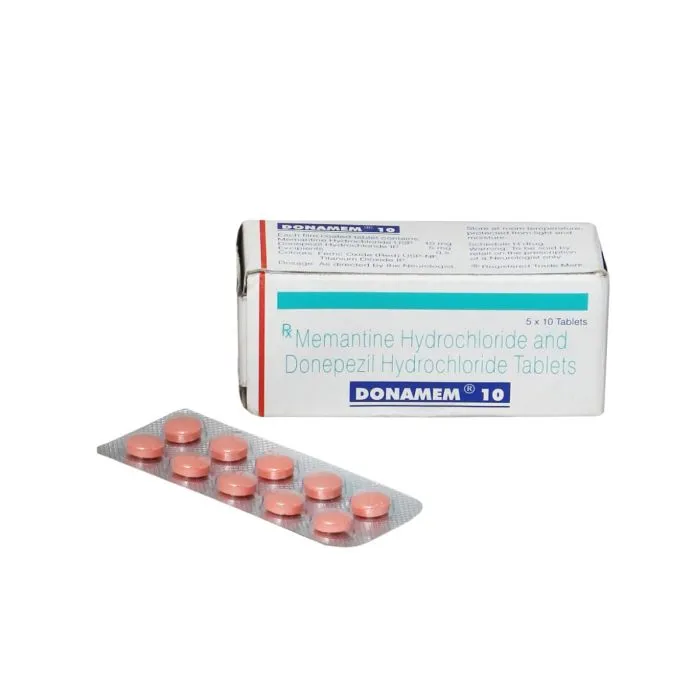
Donamem 10mg (Donepezil/Memantine)
Previous product
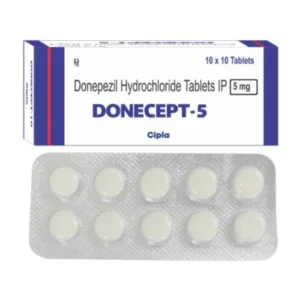
Donecept 5mg (Donepezil)
A$28.16 A$63.18Price range: A$28.16 through A$63.18
Next product
Cognitol 5mg (Vinpocetine)
A$34.30 A$63.18Price range: A$34.30 through A$63.18
A$64.98 A$151.62Price range: A$64.98 through A$151.62
In Stock
In Stock
Donamem 10mg (Donepezil/Memantine)
| Pack Size | Price | Quantity | Add To Cart | |
|---|---|---|---|---|
| 30 Tablet/s | A$64.98 | |||
| 60 Tablet/s | A$104.69 | |||
| 90 Tablet/s | A$151.62 | |||
| Want to order in bulk / B2B price? Send Inquiry | ||||
×
Sorry!! Out of Stock
Sorry! Donamem 10mg (Donepezil/Memantine) is out of stock
Please click below to view other similar medications.
View All Donepezil/Memantine Products
Offer You Can't Resist
Free Shipping
Enjoy Free Shipping on Orders above AUD304 (USD199)
Estimate Delivery :
21 September - 28 September
50
Great customer service
Armod 150 Mg product is the best. As well as modalertaustralia.com is a reliable store and this store provides high quality and fast delivery.
 Australia
February 19, 2025
Response from Modalertaustralia
Thanks for the amazing feedback! Glad you’re happy with Armod 150 Mg and our fast, reliable service. We appreciate your support!
Last Updated on November 30, 2025

Description
Alzheimer’s disease is an advancing neurologic disorder that can cause the loss of memory, cognitive decline, as well as behavioral changes. As the population of the world ages and the prevalence of Alzheimer’s is rising and is affecting a multitude of people as well as their family members. While there’s no cure, there are medications such as Donamem 10mg that combine Donepezil as well as Memantine, providing significant advantages in managing symptoms of Alzheimer’s and slowing its progression.
In this article, we’ll discuss Donamem 10mg dosage and how it functions and its benefits, dose, and side effects, as well as precautions, along with other information.
What is Donamem 10mg?
Donamem 10mg is a prescription drug that is used to treat mild to severe Alzheimer’s disease. It is made up of two active ingredients:
- Donepezil (10mg) – a cholinesterase inhibitor
- Memantine (10mg) – an NMDA receptor antagonist
They are synergistic to enhance cognitive performance and slow the progression of symptoms for Alzheimer’s sufferers.
Donamem is offered as a tablet and is typically taken in conjunction with a larger treatment regimen that also includes assistance and cognitive therapies.
How Does Donamem Work?
-
Donepezil
Donepezil raises levels of Acetylcholine, which is a neurotransmitter vital to memories and learning. The levels of acetylcholine in Alzheimer’s are low in the absence of damage to neurons. Inhibiting the acetylcholinesterase (the enzyme responsible for breaking down acetylcholine), Donepezil increases connections between neurons.
-
Memantine
Memantine works on a completely different route. It inhibits NMDA receptors, which are over-stimulated during Alzheimer’s, which can lead to harmful levels of calcium found in the brain’s cells. In reducing this activity, Memantine aids in protecting neurons from injury and helps with memory and learning functions.
Combined Effect
The combination offers a dual mechanism:
- Donepezil treats the deficiency in cholinergic function.
- Memantine helps protect against excitotoxicity caused by glutamate.
This method can offer more control over symptoms for mild to extreme levels of Alzheimer’s disease than either medication by itself.
Who Should Take Donamem 10mg?
Donamem is typically prescribed for:
- Patients suffering from mild to severe Alzheimer’s disease
- Patients who have been stabilized by Donepezil 10mg as well as Memantine 10mg independently
- Patients who benefit from combination therapy with the form of a single dose to facilitate compliance
This medication is not advised in the early or mild stages of Alzheimer’s when Donepezil might be enough.
Benefits of Donamem 10mg
- Enhances memory and thinking abilities
- More efficient in everyday tasks (dressing, eating, or communicating)
- The delay in the progression of the disease
- A reduction in the symptoms of behavioral disorders such as confusion, aggression, or anxiety
- Better health for patients as well as caregivers
While it’s not a cure for Alzheimer’s disease, Donamem could reduce the rate of decline and also make a positive change.
Dosage and Administration
- Standard Dose: A tablet of Donamem 10mg each day
- The tablet can be taken whether or not you eat at the same times throughout the day.
- Do not chew or crush the tablet with extended release.
Titration (if starting therapy)
Before moving to Donamem 10mg, patients are typically started on Dopezil and Memantine regimens, and then slowly titrated up to maximum doses.
Follow your physician’s dosage guidelines with care.
Side Effects of Donamem 10mg
Just like all drugs, Donamem can cause side effects. Many are not serious and can be managed.
Common Side Effects:
- Nausea
- Diarrhea or constipation
- Headache
- Dizziness
- Fatigue
- Loss of appetite
- Muscle cramps
Less Common but Serious Side Effects:
- Bradycardia (slow heart rate)
- Fainting or falls
- Hallucinations
- Seizures
- Gastrointestinal bleeding
- Liver dysfunction
- Confusion or worsening agitation
Consult a doctor if any persistent or serious adverse effects develop.
Precautions and Warnings
Before you begin Donamem, tell your physician if you suffer from:
- Heart problems (especially conduction abnormalities)
- Liver or kidney disease
- Seizure disorder
- Peptic ulcers or gastrointestinal issues
- Respiratory conditions like asthma or COPD
- Urinary tract problems
Additionally, inform your physician regarding any medications or supplements you’re taking. This includes anesthetics, antipsychotics, muscle relaxants, anticholinergics, as well as NMDA antagonists.
Drug Interactions
Donamem may interact with:
- Antidepressants (SSRIs, MAO inhibitors)
- Antifungals (ketoconazole, itraconazole)
- Anticonvulsants (carbamazepine, phenytoin)
- Other Alzheimer’s drugs
- Anticholinergic drugs
- Diuretics or antihypertensives
The doctor can alter the dose or watch your condition more closely, based on the profile of your medications.
Use in Special Populations
Elderly:
This medicine is designed to be used by older people with Alzheimer’s; however, it is recommended to be cautious because of the increased sensitivity to adverse effects.
Pregnancy and Breastfeeding:
Donamem is not commonly used in pregnancy. It isn’t clear whether it’s safe to use during breastfeeding, so ensure you consult your doctor.
Children:
The use of this product is not considered safe for children.
Missed Dose and Overdose
Missed Dose:
If you have missed a dose, you should take the dose as soon as you remember. If you’re close to your next dose, you can skip the dose you missed. Don’t double-up.
Overdose:
Symptoms may include severe nausea, vomiting, muscle weakness, slow heartbeat, seizures, or unconsciousness. Seek emergency help immediately.
Tips for Caregivers and Patients
- Create a daily reminder to help ensure that the medication is adhered to.
- Check for changes in cognition and behaviors to send an alert to the doctor.
- Keep a secure and well-structured space in order to help the patient.
- Combine the medicine with the stimulation of your brain, as well as social interaction and exercise if it’s possible.
- Be in contact through support groups and counseling with family members and caregivers.
Frequently Asked Questions (FAQs)
-
Can Donamem cure Alzheimer’s?
No. It is a way to manage the symptoms and reduce the progression. However, it does not treat the illness.
-
How long does it take to see results?
Certain improvements can be seen within 2 to 4 weeks. However, the full benefit generally will take up to 8 to 12 weeks.
-
Can Donamem be stopped suddenly?
This medication shouldn’t be discontinued in a hurry without medical assistance, since this may result in an increase in the symptoms.
-
Is Donamem available in other strengths?
Yes, Donamem is offered in various strengths, for example, Donamem 5mg/10mg, depending on the individual’s requirements.
Conclusion
Donamem 10mg (Donepezil and Memantine) represents a significant improvement in the treatment of mild to severe Alzheimer’s. Combining two therapies to provide a convenient dosage makes treatment easier while providing more control over cognition and behavioral signs.
While it isn’t a cure for cancer, Donamem could make an important contribution to improving the patients’ independence as well as quality of life and overall comfort, while also lessening the load on caregivers.
Related products


Reviews
There are no reviews yet.