

Dizone 250mg (Disulfiram)
Previous product
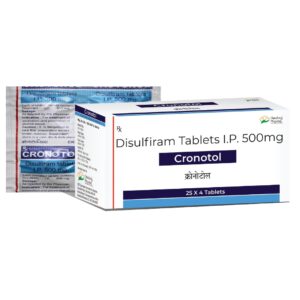
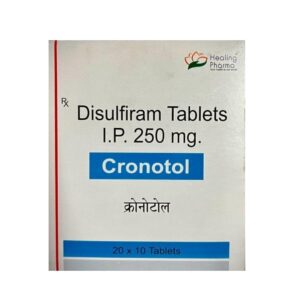
Cronodol 500mg (Disulfiram)
$16.00 $32.00Price range: $16.00 through $32.00
Next product
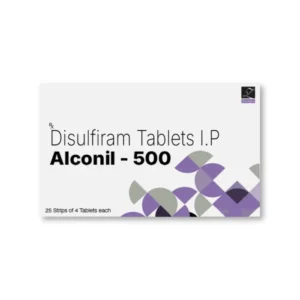
Alconil 500mg (Disulfiram)
$19.60 $54.00Price range: $19.60 through $54.00
$7.50 $22.50Price range: $7.50 through $22.50
In Stock
In Stock
Dizone 250mg (Disulfiram)
| Pack Size | Price | Quantity | Add To Cart | |
|---|---|---|---|---|
| 30 Tablet/s | $7.50 | |||
| 60 Tablet/s | $15.00 | |||
| 90 Tablet/s | $22.50 | |||
| Want to order in bulk / B2B price? Send Inquiry | ||||
×
Sorry!! Out of Stock
Sorry! Dizone 250mg (Disulfiram) is out of stock
Please click below to view other similar medications.
View All Disulfiram Products

Offer You Can't Resist
Free Shipping
Enjoy Free Shipping on Orders above AUD304 (USD199)
Estimate Shipping :
18 July - 25 July
32
Last Updated on November 30, 2025

Description
Alcohol dependence remains a major global health issue that affects millions of people each year. Recovering from addiction to alcohol typically requires a mix of behavioural therapy as well as support groups, and sometimes the use of medications. One of these medications is Dizone 250 mg. It includes Disulfiram, which is a medication that aids in the treatment of chronic alcoholism.
In this blog In this post, we’ll go into the details of how Dizone 250mg does what it does, how it operates, and its benefits, as well as adverse effects, dosages, and warnings, as well as other crucial aspects to be aware of.
What is Dizone 250mg?
Dizone 250mg is a type of medication, Disulfiram, which is mainly prescribed to aid those suffering from alcohol dependence disorder to stop drinking. It is not a cure for the addiction to alcohol or to curb cravings, but it is a strong preventative by creating unpleasant side effects after drinking.
Every tablet of Dizone has 250 milligrams Disulfiram.
How Does Dizone (Disulfiram) Work?
Dizone operates based on Aversion Therapy. It affects the body’s ability to convert alcohol through the inhibition of the enzyme aldehyde dehydrogenase. If you drink alcohol while taking Disulfiram, Acetaldehyde, a harmful substance, accumulates in blood vessels, which leads to an array of painful signs.
These symptoms may include:
The reaction may occur as early as 15-30 minutes after drinking and can last up to several hours. It is the goal to create an emotional barrier through the association of the consumption of alcohol with these negative consequences.
Uses of Dizone 250mg
Dizone is prescribed primarily for:
- Chronic Alcoholism: It can be used as an aid to patients who have committed to refraining from drinking alcohol. It’s most effective when used with behavioral therapy, counseling, as well as community-based support programs.
- Relapse Prevention: Following initial detoxification, Dizone assists in reducing the likelihood of relapse, being an effective preventative.
It’s not very effective in those who drink or do not have the motivation to quit.
Dosage and Administration
The recommended dosage for Dizone 250 mg varies based on the patient’s health and the progress of treatment. But, the most commonly used dosing guidelines are:
- Initial Dose: 500 mg daily (usually for 1–2 weeks), as divided doses when needed.
- Maintenance Dose: 250 mg daily. It can be altered according to the response of patients.
The medicine is consumed by mouth, usually early in the morning. If patients experience sleepiness, it may be more effective to take it at night.
Important Notes:
- Dizone must be taken after a minimum of 12 hours following the previous drinking alcohol to prevent a serious alcohol-disulfiram reaction.
- The deterrent effect can last for as long as 2 weeks following the discontinuation of the medication.
Side Effects of Dizone 250mg
Although Dizone is generally well tolerated, there are some who may suffer from side effects. Some of these include:
Common Side Effects:
- Drowsiness
- Fatigue
- Metallic or garlic-like taste in the mouth
- Headache
- Acne or skin rash
Serious Side Effects:
- Hepatotoxicity (liver damage)
- Neuropathy (nerve inflammation)
- Psychosis or mental confusion
- Allergic reactions (rash, itching, swelling)
- Optic neuritis (eye nerve inflammation)
If you notice any strange signs while taking Dizone, particularly signs of liver damage (like an increase in the color of your eyes or skin and dark urine, or severe fatigue), consult your medical doctor immediately.
Precautions and Warnings
Before beginning Dizone, ensure that your physician is aware of these:
-
Liver Health
Disulfiram could cause liver toxicities. Tests for liver function are suggested prior to treatment beginning and regularly following.
-
Mental Health Conditions
Patients with a history of mental illness must be watched carefully, since Disulfiram may cause changes in mood or psychosis.
-
Pregnancy and Breastfeeding
Dizone can be taken in pregnancy only when clearly necessary. It’s not known if it gets into breast milk. Make sure to consult with your physician before using.
-
Drug and Alcohol Interaction
Do not consume any alcohol when you are using Dizone. It’s non-alcoholic beverages, but additionally:
- Cough syrups
- Mouthwashes
- Vinegar-based foods
- Aftershaves and colognes
Even tiny amounts of alcohol can cause an alcohol-disulfiram reaction.
-
Surgery and Anesthesia
Tell your surgeon or anesthetist when you’re taking Disulfiram prior to any surgery.
Drug Interactions
Dizone can interact with a variety of medicines. Tell your doctor whether you’re taking:
- Metronidazole (can cause psychotic reactions with Disulfiram)
- Warfarin (may increase bleeding risk)
- Isoniazid
- Phenytoin
- Theophylline
- Benzodiazepines
Always speak to your doctor or pharmacist before starting any new medication while taking Dizone.
Success Rate and Patient Compliance
Dizone is most effective when:
- The patient is highly motivated to quit alcohol
- There is a strong support system (family, group therapy)
- It is used as part of a comprehensive treatment plan
It is an issue that must be addressed. Because the deterrent effect is only effective if the patient continues to take the medicine orally (e.g., with the help of an individual in the family or a health care professional) could be beneficial.
Alternatives to Dizone
Other medicines used to treat the treatment of alcohol dependence are:
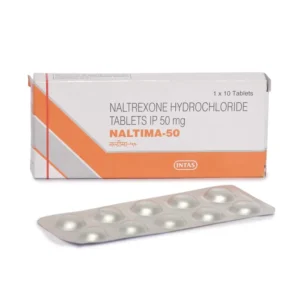
- Naltrexone – Reducing cravings and the pleasure benefits of the drink
- Acamprosate – Helps stabilize brain chemistry
- Topiramate – Off-label options that could decrease the cravings
Each medicine is unique. The choice of medication is based on the individual’s requirements as well as medical history, as well as their preferences.
Final Thoughts
Dizone 250mg (Disulfiram) can be powerful in fighting drinking addiction. This isn’t enough on its own. It demands a determination to stay sober and works best when it’s coupled with psychotherapy as well as support groups and lifestyle adjustments.
Related products



Recently Viewed
Reviews
There are no reviews yet.