

Dacilon 0.5mg (Dactinomycin)
Previous product

Silybon 140mg (Silymarin)
A$43.32 A$84.84Price range: A$43.32 through A$84.84
Next product
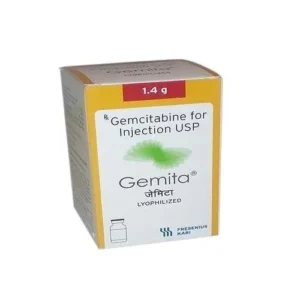
Gemita 1400mg Injection (Gemcitabine)
A$207.94 A$576.16Price range: A$207.94 through A$576.16
A$57.76 A$166.06Price range: A$57.76 through A$166.06
In Stock
In Stock
Dacilon 0.5mg (Dactinomycin)
| Pack Size | Price | Quantity | Add To Cart | |
|---|---|---|---|---|
| 1 Injection | A$57.76 | |||
| 2 Injection/s | A$114.08 | |||
| 3 Injection/s | A$166.06 | |||
| Want to order in bulk / B2B price? Send Inquiry | ||||
×
Sorry!! Out of Stock
Sorry! Dacilon 0.5mg (Dactinomycin) is out of stock
Please click below to view other similar medications.
View All Dactinomycin Products
Offer You Can't Resist
Free Shipping
Enjoy Free Shipping on Orders above AUD304 (USD199)
Estimate Delivery :
13 September - 20 September
20
Fast Support
Customer support was excellent. My questions were answered promptly and the team was very helpful throughout the process. The order was handled efficiently and professionally
 Australia
August 15, 2026
Last Updated on November 29, 2025

Description
Potent Antineoplastic Agent for Paediatric and Adult Cancers
Dacilon 0.5mg is a drug that contains the active ingredient Dactinomycin is a cytotoxic drug that is used to treat a variety of adult and pediatric cancers. It is part of the actinomycin group of antibiotics that do not serve to treat infections, but to hinder the growth of cancerous cells and proliferation.
In Australia, Dacilon is usually given in the context of oncology to treat diseases like Wilms’ cancer as well as rhabdomyosarcoma and gestational trophoblastic Neoplasia and Testicular Cancer, whether when combined with other chemotherapeutic drugs.
What Is Dacilon 0.5mg?
Dacilon 0.5mg is an anti-cytotoxic drug that is a combination of Dactinomycin, which is also known in the form of actinomycin D. It’s given via injection intravenously under the strict supervision of a medical professional in an accredited hospital or specialist cancer treatment facility.
Dactinomycin acts by binding to DNA and inhibiting the synthesis of RNA, leading to the stifling of protein production and, ultimately, the death of cancerous cells. Because of its potent anti-cytotoxic effect, it’s employed in select and aggressive cancers, notably for paediatric oncology.
Dacilon Overview
| Feature | Description |
| Generic Name | Dactinomycin (Actinomycin D) |
| Strength | 0.5mg powder for injection |
| Form | Lyophilised powder for IV reconstitution |
| Drug Class | Antineoplastic antibiotic |
| Route of Administration | Intravenous (IV) only |
| Main Uses | Wilms’ tumour, sarcomas, testicular cancer |
| Prescription Required? | Yes – Specialist only |
| Usual Setting | Hospital or cancer treatment centre |
| Pregnancy Category (AU) | D – Not recommended during pregnancy |
| Storage | 2–8°C; refrigerate, protect from light |
How Dacilon Works
Dacilon operates by interfering in the process of DNA transcription, thereby slowing the replication of cancer cells. In particular, Dactinomycin binds to double-stranded DNA and blocks the RNA polymerase enzyme. The result is that:
- Prevents RNA and protein synthesis
- Triggers apoptosis (programmed cell death)
- Suppresses tumour cell proliferation
In contrast to other chemotherapy treatments that focus on the cycle of cells, Dacilon works throughout various cells, making it effective in the treatment of fast-growing cancers.
What Is Dacilon Used For?
In Australia, Dacilon is a treatment employed to treat certain tumors that are solid tumors and paediatric cancers. Dacilon is not often utilized as a single therapy and is often used in conjunction with chemotherapy strategies.
Common Indications:
| Condition | Role of Dacilon |
| Wilms’ tumour (kidney cancer in children) | The first-line treatment in multi-agent regimens |
| Rhabdomyosarcoma | Useful in conjunction with vincristine and Cyclophosphamide |
| Ewing’s sarcoma | Increases outcomes of treatment in paediatric treatments |
| Gestational trophoblastic neoplasia | Useful when resistance to methotrexate is not possible |
| Testicular cancer (non-seminoma) | Component of BEP protocol |
| Ovarian germ cell tumours | Occasionally used in second-line regimens |
How Is Dacilon 0.5mg Administered?
Dacilon should only be administered in a hospital setting with an oncology doctor or a trained nurse for chemotherapy.
Key Administration Details:
- Route: Intravenous (IV) infusion or bolus
- Reconstitution: Preparation and dilution must be done in safe conditions
- Dosage: It is based on the body’s surface (BSA) and cancer type, as well as the treatment process
- Frequency: Most often, it is part of a cycle-based plan (e.g., every three weeks)
Dacilon should never be consumed orally and cannot be administered intrathecally (into the spinal column) due to the fatal toxicity risk.
Warnings & Precautions
Do NOT Use If:
- There is a reaction to Dactinomycin that can cause allergic reactions
- If you have osteoarthritis deficiency
- If you are planning or pregnant, the birth of a baby.
- You’re receiving radiotherapy concurrently (without any medical guidance)
Use With Extreme Caution If:
- There is a problem with your liver or impaired renal function
- Your immune system is compromised
- Have recently been vaccinated or plan to get vaccinations
Drug Interactions:
- Toxicity increases with radiation therapy
- Enhanced effects when paired with other cytotoxic substances
- Beware of live vaccines before and immediately following treatment
Every patient receiving Dacilon needs to be monitored for bone-marrow activity, liver enzymes, and signs of infection throughout treatment.
Side Effects of Dacilon
Dacilon is known to cause severe adverse reactions, and these are monitored closely by your team of oncologists. Some side effects are dose-limiting, and others are manageable with the help of a supportive physician.
Common Side Effects:
- Nausea, vomiting
- Fatigue
- Hair loss (reversible)
- Oral ulcers
- Diarrhoea
Serious Adverse Reactions:
- Myelosuppression (low white/red/platelet counts)
- Hepatotoxicity (elevated liver enzymes)
- Severe tissue damage if extravasation occurs
- Secondary malignancies (rare, with long-term use)
Contact your physician immediately if you notice bleeding, fever, or other signs of illness.
Storage Instructions
- Place in the refrigerator (2-8°C)
- Do not freeze
- Guard against moisture and light
- After reconstitution, you can use it immediately or use it according to the hospital’s protocol regarding storage time
10 Frequently Asked Questions (FAQs)
-
What is Dacilon used to treat?
It is used to treat certain cancers, especially among young people and children, which include Wilms’ Sarcomas, tumors, and pregnancy-related cancers.
-
Is Dacilon safe during pregnancy?
No. Dacilon is a pregnancy class D drug that can result in severe harm to the foetus. It is imperative to use a contraceptive method that works while taking the medication.
-
How is Dacilon administered?
It is administered via an IV injection by trained specialists at hospitals. It’s not given by mouth or in the home.
-
Can Dacilon be used alone?
Rarely. It’s almost always an element of a multi-agent treatment program, in conjunction with the other drugs used to fight cancer.
-
What precautions are needed during treatment?
The blood tests you undergo are regular and include liver/kidney function checks, as well as avoiding getting infections and vaccinations throughout the treatment.
-
How long does treatment last?
The duration of treatment is dependent on the stage and type of cancer, typically ranging from a couple of weeks to a few months, with resting cycles between.
-
What are signs of serious side effects?
Afflicted bruising, unprovoked bleeding, fever, or severe diarrhoea need immediate medical attention.
-
Can children take Dacilon?
Yes. Dacilon is widely utilized in the field of pediatric oncology, especially for soft tissue and kidney tumors.
-
Is hair loss from Dacilon permanent?
No. The loss of hair is usually short-term, and the regrowth occurs following treatment.
-
Does it cure cancer?
It can contribute to remission or even cure, particularly when combined with treatment; however, the outcomes can differ according to the type and the stage of cancer.
Final Thoughts
Dacilon 0.5mg (Dactinomycin) can be described as an effective anti-cancer drug that plays an important role in treating pediatric solid tumours as well as certain malignancies in adults. Although it needs careful handling, hospital-based treatment as well as close monitoring of patients and monitoring, its use within treatment plans has substantially enhanced the survival rate of cancer patients, particularly among children.
The medication forms one of the components of an extremely controlled therapeutic setting, and is only available only for doctors of oncology. If you or a loved ones are prescribed Dacilon, this means that it’s an integral part of an all-encompassing, evidence-based cancer treatment regimen.Bottom of Form
Additional Information
| Manufacturer | Celon Laboratories |
|---|---|
| Pharmaceutical | Injection/s |
| Strength | 0.5 mg |
| Pack Size | 1 Injection/s, 2 Injection/s, 3 Injection/s |
Related products


Reviews
There are no reviews yet.