

Cytogard OD 60mg (Trimetazidine)
Previous product
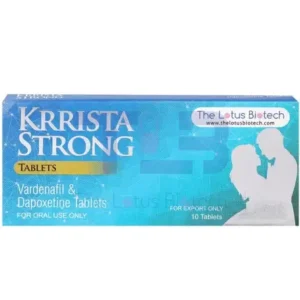
Krrista Strong
A$37.80 A$100.80Price range: A$37.80 through A$100.80
Next product
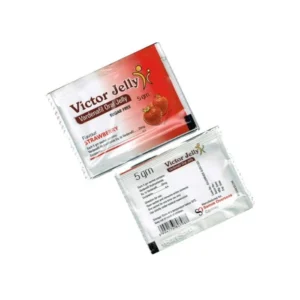
Victor Jelly
A$35.94 A$99.34Price range: A$35.94 through A$99.34
A$50.96 A$148.26Price range: A$50.96 through A$148.26
In Stock
In Stock
Cytogard OD 60mg (Trimetazidine)
| Pack Size | Price | Quantity | Add To Cart | |
|---|---|---|---|---|
| 30 Capsule/s | A$50.96 | |||
| 60 Capsule/s | A$99.82 | |||
| 90 Capsule/s | A$148.26 | |||
| Want to order in bulk / B2B price? Send Inquiry | ||||
×
Sorry!! Out of Stock
Sorry! Cytogard OD 60mg (Trimetazidine) is out of stock
Please click below to view other similar medications.
View All Trimetazidine Products
Offer You Can't Resist
Free Shipping
Enjoy Free Shipping on Orders above AUD304 (USD199)
Estimate Shipping :
07 June - 14 June
40
Last Updated on November 29, 2025

Description
Metabolic Support for Stable Angina & Cardiovascular Efficiency
Cytogard OD 60mg, which contains the active component Trimetazidine, is a slow-acting metabolic drug employed in the treatment of angina pectoris. In contrast to changing blood pressure or heart rate directly, it operates on a cellular scale in order to enhance the efficiency of cardiac energy when there is a decrease in oxygen flow.
The medication is usually prescribed as an adjunct therapy in those who are still experiencing symptoms of angina despite treatment with beta-blockers, calcium channel blockers, or Nitrates.
What Is Trimetazidine?
Trimetazidine is an anti-inflammatory agent that assists the heart muscle to continue making energy even during periods that are characterized by ischaemia (oxygen deprivation). This is accomplished by adjusting the metabolism of energy in the heart from fatty acid oxidation to glucose conversion, which is a more oxygen-efficient process.
The change reduces the intensity and frequency of the angina attack, as well as improves fitness tolerance as well and improves the health and quality of life, but without altering the rate of heartbeat or blood pressure, which makes it the ideal treatment for people suffering from bradycardia or hypotension.
Cytogard OD 60mg: Quick Overview
| Feature | Details |
| Active Ingredient | Trimetazidine dihydrochloride |
| Strength | 60mg (once-daily extended release) |
| Dosage Form | Modified-release tablet (OD = Once Daily) |
| Primary Indication | Stable angina pectoris (chronic chest pain) |
| Mode of Action | Cellular metabolic modulator |
| Effect on BP/HR | None – does not alter cardiovascular dynamics |
| Prescription Required? | Yes (Schedule 4) |
| Typical Use Duration | Long-term maintenance |
How Does Trimetazidine Work?
Contrary to traditional anti-anginals, which increase blood vessel dilation or decrease the workload of cardiac muscles, Trimetazidine increases the efficiency of myocardial pumps in low oxygen levels.
Mechanism of Action:
- It blocks the long-chain 3K-CoA thiolase (LC 3-KAT), an enzyme that is involved in the process of fatty acid oxidation.
- It encourages the switch towards the process of glucose reduction and uses less oxygen for each molecule created
- This helps to ensure the cell’s survival, contraction, and cell function when stressed.
The result: lower risk of angina attacks, greater endurance, as well as improved oxygen usage without harming haemodynamics.
Indications for Use
Cytogard OD 60mg can be mostly employed to treat:
- Angina pectoris stable (long-term chest pain caused by cardiac ischaemia)
- When used in conjunction with beta-blockers, calcium antagonists, or Nitrates
- Off-label: Certain people use it in conditions of the inner ear, such as Meniere’s Disease or retinal ischaemia; however, this is not a common practice in Australia
It’s not recommended for emergency coronary events or in unstable angina.
Dosage & Administration
- Standard adult dose: One tablet of 60 mg every day during or following meals
- Take a full glass of water; don’t chew or crush.
- It is crucial to adhere to the rules for maximum profit
Missed a dose?
Do it as quickly as you remember, as soon as you remember, unless it’s nearly time to get another dose. Don’t double up.
Expected Benefits
| Parameter | Expected Impact |
| Frequency of angina | Reduced by weeks 2–4 |
| Exercise tolerance | Improved within 1 month |
| Need for nitrates | Often reduced |
| Blood pressure/HR | No significant change |
Cytogard is only symptomatic but not curative. Therefore, it must be an integral part of a complete heart disease management program.
Who Should Use Cytogard?
Cytogard OD is extremely beneficial for patients who suffer from:
- Angina stable is not completely controllable by other angina-fighting drugs
- Blood pressure that is low or bradycardia, when other meds might not work
- A poor exercise tolerance as a result of angina
- There is a need for an on-going, well-tolerated maintenance treatment
It’s not the first-line medicine; however, it has been proven to be a reliable, safe, and effective addition to treat chronic coronary arterial disease.
Side Effects & Precautions
Common side effects:
Rare but serious:
- Movement disorders (Parkinsonism, tremor, gait instability – reversible)
- Rash or allergic reactions
- Liver enzyme changes (rare)
Use with caution in:
- Parkinson’s disease or tremor
- Severe renal impairment (creatinine clearance <30 mL/min)
- Patients aged over with neurological problems
Storage & Handling
- Keep it in storage at or below 25°C
- Make sure tablets are kept in the original blister packaging
- Guard against heat, humidity, as well as sunlight
- Be sure to keep it out of the children’s reach
Cytogard vs Traditional Anti-Anginals
| Feature | Cytogard (Trimetazidine) | Beta-Blockers | Nitrates |
| Main effect | Metabolic efficiency | Reduce HR & contractility | Vasodilation |
| Low BP/HR risk | ✔ Safe | ✖ May worsen hypotension | ✖ May cause headaches |
| Long-term tolerance | ✔ High | Moderate | Low (tolerance develops) |
| First-line status | ✖ Second-line | ✔ First-line | ✔ First-line |
| Use in elderly | ✔ With caution | ✖ Caution if frail | ✔ Common |
Frequently Asked Questions (FAQs)
-
What is Cytogard OD 60mg used for?
It is used to treat persistent stable angina, which helps to reduce chest pain through improving oxygenation effectiveness.
-
Is Cytogard a blood pressure medication?
No. It will reduce blood pressure or decrease the rate of heartbeat–making it a safe choice for patients who suffer from moderate to high BP.
-
How quickly does it work?
The majority of patients feel fewer angina attacks after two to four weeks of consistent usage.
-
Can I take it with beta-blockers or nitrates?
Yes. Cytogard is often employed along with other medications to treat heart disease to achieve a greater impact.
-
Is it safe for elderly patients?
Yes, generally speaking. However, patients who suffer from movement issues or Parkinson-like signs need to be watched closely.
-
Can it be used for acute chest pain?
No. This isn’t effective for acute coronary conditions or in unstable angina.
-
Are there interactions with other drugs?
A few significant interactions. Be sure to inform your physician about the use of any medications, particularly those for the kidneys, blood pressure, and the nervous system.
-
Does Cytogard affect exercise tolerance?
Yes. It could improve endurance and reduce angina symptoms during exercise by increasing energy usage.
-
Can I stop taking it suddenly?
There is no evidence to suggest that it can result in withdrawal. However, consult your physician before stopping any cardiovascular medicine.
-
Is Cytogard approved in Australia?
Yes, Trimetazidine indeed exists under various brand names, like Cytogard. Additionally, it is Cytogard. It is recommended on prescriptions for angina that is stable.
Final Thoughts
Cytogard OD 60 mg (Trimetazidine) offers an innovative, efficient approach for managing angina for Australians who suffer from a chronic heart condition. Through focusing on the heart’s metabolic process rather than its pressure or rhythm, this product offers a healthy, non-toxic solution–especially for those who have a complex profile or are on medication restrictions.
If used properly and in a consistent manner, Cytogard can help to reduce the frequency of heart attacks, boost the capacity to exercise, and improve the overall function of your heart without compromising everyday actions or causing unwelcome haemodynamic adverse effects.
Related products







Recently Viewed


Reviews
There are no reviews yet.