

Cyclophil Me 100mg (Cyclosporine)
Previous product
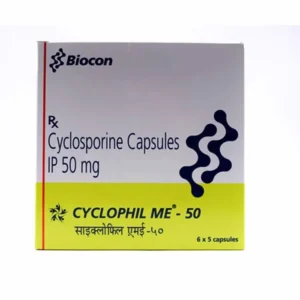
Cyclophil Me 50mg (Cyclosporine)
A$49.00 A$141.40Price range: A$49.00 through A$141.40
Next product
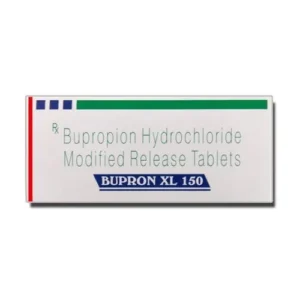
Bupron XL 150mg (Bupropion)
A$25.20 A$71.40Price range: A$25.20 through A$71.40
A$95.20 A$278.60Price range: A$95.20 through A$278.60
In Stock
In Stock
Cyclophil Me 100mg (Cyclosporine)
| Pack Size | Price | Quantity | Add To Cart | |
|---|---|---|---|---|
| 30 Capsule/s | A$95.20 | |||
| 60 Capsule/s | A$189.00 | |||
| 90 Capsule/s | A$278.60 | |||
| Want to order in bulk / B2B price? Send Inquiry | ||||
×
Sorry!! Out of Stock
Sorry! Cyclophil Me 100mg (Cyclosporine) is out of stock
Please click below to view other similar medications.
View All Cyclosporine Products

Offer You Can't Resist
Free Shipping
Enjoy Free Shipping on Orders above AUD304 (USD199)
Estimate Shipping :
09 June - 16 June
22
Fast dispatch
I have ordered multiple times and always receive excellent service. Fast dispatch, reliable tracking, and great support.
 Australia
May 21, 2026
Last Updated on November 28, 2025

Description
Recovering after an organ transplant requires more than recuperation and rest. It often involves potent medications that help ensure that the immune system is kept at bay. Cyclophil Me 100 mg, which is an immunosuppressant based on cyclosporine, is an important treatment.
This post will guide you through all you have to be aware of regarding Cyclophil Me 100mg and the mechanism of action, which it is to be used for, information on safety, along with side effects, as well as useful guidelines for usage. If you’re a patient caregiver or just a curious user, this guide will provide an in-depth look at one of the frequently utilized immunosuppressants in modern medicine.
What is Cyclophil Me 100mg?
Cyclophil Me 100mg is a source of Cyclosporine, which is an immunosuppressant medication that is employed to prevent rejection of organs for transplant recipients and to treat certain autoimmune conditions. Cyclosporine regulates the immune system of your body and is particularly beneficial for:
- Kidney, liver, and heart transplants (to prevent rejection)
- Autoimmune diseases like rheumatoid arthritis and psoriasis
- Nephrotic syndrome, uveitis, and other inflammatory conditions
The “Me” in Cyclophil Me is a reference to microemulsions that improve the absorption and bioavailability by the body, as compared to other formulations.
How Does Cyclosporine Work?
Cyclosporine works by:
- Suppressing T-lymphocytes, A type of white blood cell involved in immune responses
- The reduction of cytokine levels limits the overactivity of the immune system.
- The prevention of rejection by organs through lowering the body’s recognition of the transplanted tissue
It is a selective inhibitor of calcineurin, which is a major enzyme that stimulates T-cells. Its unique mechanism allows it to be a first-line option for managing immune suppression, but without destroying the immune system completely.
Cyclophil Me 100mg: Key Features
- 💊 Active Ingredient: Cyclosporine (100 mg per capsule)
- 💧 Formulation: Soft gelatin capsule that has improved absorption (microemulsion)
- 🔄 Bioavailability: It is more reliable and effective than the standard oral cyclosporine
- 🛡️ Indication: Prevention of organ transplant rejection, autoimmune disease control
- 🧬 Action: Immunosuppressive, calcineurin inhibitor
Who Should Use Cyclophil Me 100mg?
Cyclophil Me 100mg can be prescribed to treat:
- Organ transplant patients (kidney, liver, heart, etc.)
- Autoimmune conditions:
- Severe rheumatoid arthritis
- Psoriasis unresponsive to topical treatments
- Nephrotic syndrome
- Uveitis (non-infectious inflammation of the eye)
It’s usually an element of a larger treatment program, which is usually augmented with other immunosuppressants or corticosteroids to enhance the effect.
How to Take Cyclophil Me 100mg
Dosage Instructions (General):
- Transplantation:
A typical starting dose is 10 – 15 mg/kg/day, starting one hour before surgery. Maintenance dosage: 2-6 mg/kg/day and adjusted as required - Autoimmune conditions:
The lower doses are typically employed, typically 2.5-5 mg/kg daily, depending on the reaction and adverse reactions
💡 Follow your physician’s prescriptions precisely. Never self-adjust your dose.
How to Take:
- You can decide whether or not you are eating, but remain consistent.
- Drink the capsule in its entirety by drinking water–do not chew, crush, or break the capsule.
- Take the medication at the same times throughout the day to keep your drug levels stable.
How Long Should You Take It?
- For transplant patients: long-term use is common
- For autoimmune diseases: Duration varies according to responses, tolerance, and the degree of disease control
Stop abruptly unless instructed, because it could result in an organ failure or flare-ups.
Potential Side Effects of Cyclophil Me 100mg
Cyclosporine is a powerful drug, but as with all powerful immunosuppressants, there are potential adverse effects. This could include:
Common Side Effects:
| Symptom | Notes |
| High blood pressure | Regular monitoring needed |
| Headache, dizziness | Usually mild, especially early on |
| Gum overgrowth | Good oral hygiene is essential |
| Increased body hair | Reversible with dose adjustment |
| Tremors or shakiness | Often dose-related |
| Kidney function issues | Regular blood tests required |
Serious But Less Common:
- Liver dysfunction
- Increased risk of infections
- Lymphoma or skin cancer (with long-term use)
- Neurological symptoms (confusion, seizures – rare)
👉 Continuous blood testing is vital to spot adverse effects in the early stages and to manage the risk safely.
Monitoring Requirements
Due to its slender therapeutic index, cyclophosphamide demands careful surveillance:
| Test | Purpose | Frequency |
| Blood pressure | Detect hypertension | Regularly (weekly/monthly) |
| Serum creatinine | Monitor kidney function | Every 2–4 weeks initially |
| Cyclosporine blood levels | Ensure effective & safe levels | As per doctor’s orders |
| Liver function tests | Check for hepatic side effects | Periodically |
| Lipid profile | As cyclosporine can raise cholesterol | Every 3–6 months |
Cyclophil Me vs Other Cyclosporine Brands
| Feature | Cyclophil Me | Sandimmune | Panimun Bioral |
| Formulation | Microemulsion | Oil-based emulsion | Microemulsion |
| Absorption Consistency | High | Variable | High |
| Bioavailability | Superior | Lower | Comparable |
| Generic Availability | Yes | Yes | Yes |
Cyclophil Me is usually selected due to its stability of blood levels in particularly in transplant patients who cannot manage fluctuations.
Drug Interactions to Watch Out For
Cyclosporine may interact with:
- NSAIDs (e.g., ibuprofen) – Risk of kidney toxicity increases
- Antibiotics (e.g., erythromycin) – can increase levels of cyclosporine
- Antifungals (e.g., ketoconazole) – similar effect
- Grapefruit juice – Significantly alters metabolism and absorption
- St John’s Wort – decreases cyclosporine levels dangerously
- Vaccines – might not be as effective. Beware of live vaccines
📌 Inform your doctor about any medications or supplements you take, as well as you’re eating practices.
FAQs – Cyclophil Me 100mg
Q: Can Cyclophil Me cause kidney damage?
A: Yes, Nephrotoxicity is an acknowledged side effect. Blood tests regularly help identify it earlier and help manage dosages without risk.
Q: Is it safe during pregnancy?
A: Only use if necessary and if prescribed. Cyclosporine could be absorbed through the placenta. Risks versus the advantages should be considered.
Q: Can I drink alcohol while on Cyclophil Me?
A: Limiting alcohol is the best option because it can stress the liver and cause high blood pressure. Both are related to cyclosporine.
Q: What happens if I miss a dose?
A: Use it as soon as you remember, or if it’s near your next dose. Never double-dose.
Q: Can I take it with food?
A: Yes, It’s true, but you must keep it constant. Make sure to do it in the identical way throughout the day–either all the time in the absence of food, or not.
Storage and Handling
- Storage in the room temperatures (below 25°C)
- Beware of the sun’s direct and abrasive rays
- Do not freeze
- Be sure to keep it out of the reach of young children
Conclusion
Cyclophil Me 100mg is a vital treatment for modern immunotherapy, specifically for patients who have received transplants, as well as people suffering from autoimmune conditions. The microemulsion formulation guarantees reliable absorption and makes it a popular choice for health professionals as well as patients.
When used in conjunction with treatment, monitoring, and medical advice, it provides the possibility of achieving a crucial equilibrium–suppressing unwanted immune responses and conserving the essential immune function.
Additional Information
| Manufacturer | Biocon Biopharmaceutical |
|---|---|
| Pharmaceutical | Capsules |
| Strength | 100 mg |
| Pack Size | 30 Capsules, 60 Capsules, 90 Capsules |
Related products





Recently Viewed


Reviews
There are no reviews yet.