
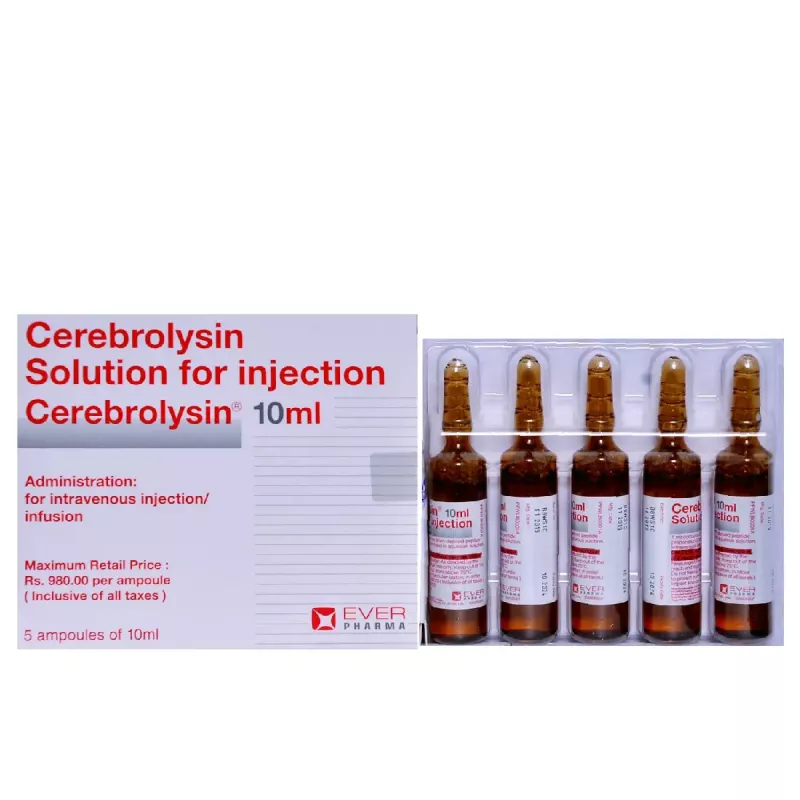
Cerebrolysin Injection (Cerebroprotein Hydrolysate)
Previous product
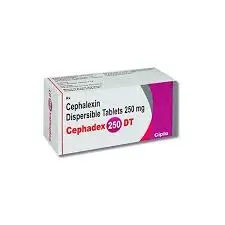
Cephadex 250mg (Cephalexin)
$16.50 $35.00Price range: $16.50 through $35.00
Next product

Choltran 4g (Cholestyramine)
$40.00 $105.00Price range: $40.00 through $105.00
$178.00 $510.00Price range: $178.00 through $510.00
In Stock
In Stock
Cerebrolysin Injection (Cerebroprotein Hydrolysate)
| Pack Size | Price | Quantity | Add To Cart | |
|---|---|---|---|---|
| 5 Injection/s | $178.00 | |||
| 10 Injection/s | $300.00 | |||
| 20 Injection/s | $510.00 | |||
| Want to order in bulk / B2B price? Send Inquiry | ||||
×
Sorry!! Out of Stock
Sorry! Cerebrolysin Injection (Cerebroprotein Hydrolysate) is out of stock
Please click below to view other similar medications.
View All Cerebroprotein Hydrolysate Products
Offer You Can't Resist
Free Shipping
Enjoy Free Shipping on Orders above AUD304 (USD199)
Estimate Shipping :
03 September - 10 September
21
Very reliable service
Very reliable service with careful packaging and prompt support. Had a great experience
 Australia
August 10, 2026
Last Updated on January 19, 2026

Description
What Is Cerebrolysin Injection?
Cerebrolysin Injection is made up of Cerebroprotein Hydrolysate, which is a preparation of neuropeptides made from purified peptides as well as amino acids that mimic the natural activity of the neural neurotrophic factor in the brain (BDNF). It’s used primarily for its role as a Nootropic Agent to aid in cognitive functioning as well as recovery from neurological damage.
The injectable medicine is used to help patients recover from neurological conditions, such as stroke, brain trauma, and neurodegenerative illnesses.
How Does Cerebrolysin Work?
Cerebrolysin plays a role in:
- Promoting neuroprotection: Helps protect brain cells from destruction caused by injuries or diseases.
- Stimulating neuroplasticity: Improves the ability of the brain to restore and organise itself.
- Supporting neurogenesis: Helps to grow neurons and synapses.
- Improving cerebral metabolism: Enhances energy metabolism in the brain cells.
Through supporting these processes, Cerebrolysin can help improve cognitive abilities, including memory, focus, and cognition in people who suffer from neurological disorders.
What Conditions Is Cerebrolysin Used For?
Cerebrolysin Injection is used primarily as a support for treatment in:
- Ischaemic stroke recovery: Improves neurological rehabilitation and recovery.
- Traumatic brain injury (TBI): Enhances functional and cognitive performance.
- Alzheimer’s disease and other dementias: It could help in slowing cognitive decline.
- Vascular dementia: Increases cognition and reduces symptoms associated with problems with blood vessels within the brain.
- Other neurodegenerative disorders: Sometimes, they are used in conjunction with other methods.
How Is Cerebrolysin Administered?
Dosage and Administration
- Cerebrolysin injections are given intramuscular (IM) or intravenously (IV).
- Dosage can vary based on state of health and the condition of the patient, and can range from 5ml – 30ml per day.
- The treatment courses usually run for about 10-20 days. Some protocols permit repeated sessions.
- The injection must only be given by a medical specialist in a clinic.
Important Administration Notes
- The solution needs to be diluted using sterile saline or glucose solution before administering it intravenously.
- Don’t mix Cerebrolysin with other medicines within the same Syringe.
- Be aware of allergic reactions when undergoing treatment.
Precautions and Contraindications
- Tell your physician if you are allergic, particularly to proteins or peptides.
- Take care when using this medication in patients who have the most severe liver or kidney impairment.
- Do not recommend breastfeeding or being pregnant without medical guidance.
- Be aware of any hypersensitivity reactions.
- Epilepsy patients should be watched closely, because Cerebrolysin could lower the seizure threshold.
Possible Side Effects
Cerebrolysin is usually well-tolerated. The possible side effects of this drug include:
- Mild injection site reactions (pain, redness, swelling)
- Headache or dizziness
- Fatigue or insomnia
- Allergic reactions (rare but serious)
If you are experiencing intense allergic symptoms such as a rash, breathing difficulties, or swelling, you should seek immediate medical assistance.
Storage Instructions
- Store Cerebrolysin Injection at 2°C to 8°C (refrigerated).
- Guard yourself from the sun.
- Don’t freeze.
- Be sure to keep away from young children.
Frequently Asked Questions (FAQs)
-
How soon will I see effects from Cerebrolysin?
The improvement in neurological or cognitive performance can be seen in a matter of days to weeks, contingent on the severity of the problem and its treatment time.
-
Can Cerebrolysin be used for dementia?
Yes, sometimes, it’s utilized to aid in the improvement of cognitive functions in the case of Alzheimer’s disease or vascular dementia. It is often used as a part of a wider treatment program.
-
Is Cerebrolysin safe for elderly patients?
Generally, yes, generally speaking, but treatments should be closely monitored by health experts.
-
Can Cerebrolysin be self-administered?
No, it is not, but it must be administered by a qualified medical specialist.
-
Are there any drug interactions?
There is limited data available; however, be sure to inform your physician of any medications or supplements you’re taking.
-
What should I do if I miss a dose?
Speak with your physician to change the date of your treatment.
-
Can Cerebrolysin cause allergic reactions?
While it is rare, allergic reactions may be present and require immediate medical care.
-
Is Cerebrolysin approved in Australia?
Cerebrolysin’s availability can vary. It’s used in a few nations under the supervision of a doctor to treat neurological disorders.
-
How long does a treatment course last?
The typical course lasts between 10-20 days. However, your physician can tailor the treatment to each patient’s individual needs.
-
Are lifestyle changes necessary during treatment?
A healthy and balanced lifestyle, which includes diet and mental exercise, could improve the outcomes of treatment.
Summary
Cerebrolysin injection (Cerebroprotein Hydrolysate) is a neurotrophic substance created to help support the brain’s recovery as well as cognitive functioning in different neurologic conditions. When administered under the supervision of a medical professional, it aids in neuronal healing and also provides benefits for stroke rehabilitation or dementia, as well as brain injury.
If you’re in the process of undergoing neurological rehabilitation or are seeking cognitive treatments, ask your physician to determine if Cerebrolysin might be a good fit in your plan of treatment.
Additional Information
| Active Ingredient: | Cerebroprotein Hydrolysate |
|---|---|
| Indication: | Stroke, Head Injury, and Alzheimer's Disease |
| Manufacturer: | Sun Pharmaceutical Industries Ltd. |
| Packaging: | 10ml in Ampoule |
| Strength: | 10ml |
| Delivery Time: | 7 To 15 days |
Reviews (1)
1 review for Cerebrolysin Injection (Cerebroprotein Hydrolysate)
Related products
Christopher Young –
Cerebrolysin Injection significantly improved my mental clarity. I’m amazed by the results.