

Benzocan 20% Cream (Monobenzone)
Previous product
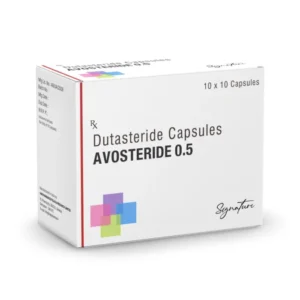
Avosteride 0.5mg (Dutasteride)
$30.00 $73.00Price range: $30.00 through $73.00
Next product
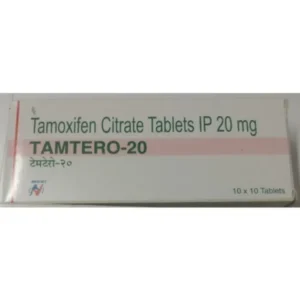
Tamtero 20mg (Tamoxifen)
$43.00 $110.00Price range: $43.00 through $110.00
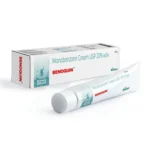
$15.00 $78.00Price range: $15.00 through $78.00
In Stock
In Stock
Benzocan 20% Cream (Monobenzone)
| Pack Size | Price | Quantity | Add To Cart | |
|---|---|---|---|---|
| 1 Tube/s | $15.00 | |||
| 3 Tube/s | $40.00 | |||
| 6 Tube/s | $78.00 | |||
| Want to order in bulk / B2B price? Send Inquiry | ||||
×
Sorry!! Out of Stock
Sorry! Benzocan 20% Cream (Monobenzone) is out of stock
Please click below to view other similar medications.
View All Monobenzone Products
Offer You Can't Resist
Free Shipping
Enjoy Free Shipping on Orders above AUD304 (USD199)
Estimate Shipping :
08 June - 15 June
20
Last Updated on November 17, 2025

Description
Overview
Benzocan 20% Cream includes Monobenzone, an agent for the skin, mostly used in treatments for depigmentation. Its most often prescribed for patients with severe pigmentation called vitiligo -an ailment wherein areas of the skin lose color, leading to an uneven complexion.
For Australia, Benzocan offers a specific option for those looking to lighten their complexion by lightening skin regions that have not been affected and assisting in achieving an even complexion after treatment for repigmentation hasn’t succeeded or does not work.
How Benzocan 20% Cream Works
Monobenzone acts by inexplicably eliminating melanocytes, which are the cells that produce melanin, which is the pigment of the skin. This diminishes or removes the skin’s natural color in the treated regions, leading to permanent depigmentation.
It is distinct from other therapies that seek to bring back the pigment. Benzocan is often used in cases where it is not possible to repigment or it is found that vitiligo has affected more than 50% of the body.
Who Should Use Benzocan 20% Cream?
It is recommended to take Benzocan for:
- People suffering from significant Vitiligo that covers vast body regions
- Patients who haven’t had a response to treatments for repigmentation
- People who want an even skin tone to improve their psychological or cosmetic motives
- Only for adults — it is generally not recommended for children or teens with supervision from a specialist.
Application & Usage Guidelines
Proper application is vital for a safe, effective treatment.
| Step | Instructions |
| Skin Preparation | Dry and clean the area well before applying the lotion |
| Application Frequency | Do this twice a day, in the morning and in the evening |
| Amount | Even a thin layer that is layered over the depigmented areas and the surrounding area |
| Avoid Sensitive Areas | Avoid applying to mucous membranes, eyes, or damaged skin |
| Sun Exposure | Beware of direct sunlight on treatment areas. Use high-SPF sunscreen |
Note: The treatment may take a few months before you achieve the desired level of depigmentation.
Expected Results & Treatment Duration
- Lightening first appears usually in the following four to eight weeks of continuous usage.
- Depigmentation can take up to 12 months, depending on the size of your body and the type of skin
- These effects are believed to be permanent, and repigmentation rarely occurs when melanocytes have been destroyed.
Safety & Side Effects
Common Side Effects
- Mild redness or irritation at application site
- Dryness or flaking skin
- Temporary itching or burning sensation
Less Common But Important
- Hypersensitivity or allergic reactions (rash, swelling)
- Excessive depigmentation beyond target area
- Photosensitivity — increased risk of sunburn on treated skin
Warnings
- Do not touch your eyes or mucous membranes
- Use with caution during pregnancy and nursing unless recommended by a physician
- It is not recommended for use with minors under the age of 18 without the approval of a specialist
Benefits of Benzocan 20% Cream
- Permanent skin lightening for uniform appearance
- A non-invasive, topical treatment against surgical treatment
- Ideal for vitiligo with a large amount in cases where repigmentation is not feasible.
- Improve self-confidence as well as psychological well-being among those who are affected.
Storage & Handling
- Place in a cool and dry area below 25°C
- Close the container tightly
- Be sure to shield yourself from exposure to light
- Make sure that the items are out of the reach of young children
Frequently Asked Questions (FAQs)
What is Benzocan 20% Cream used for?
Benzocan can be used permanently to reduce the appearance of skin afflicted with vitiligo, or to lighten the other skin pigmented to get an even complexion.
How long does it take to see results with Benzocan?
The first signs of lightening usually show up between 4 to 8 weeks; however, full treatment could be a year or longer.
Why does Benzocan cause permanent depigmentation?
Monobenzone harms melanocytes irreparably, blocking melanin production, therefore permanently lightening the skin.
How should I apply Benzocan Cream safely?
Apply a thin coating twice every day to cleanse and dry skin. Avoid the areas that are sensitive and apply sunscreen over treated zones to shield them from the sun’s damaging effects.
Can Benzocan be used on all skin types?
Yes, however, individuals with darker skin shades might notice more drastic modifications, and therefore, medical advice is highly recommended.
Why should I avoid sun exposure during treatment?
Skin treated with treatment is more prone to sunburn and also harm due to diminished protection against sunburn and damage.
Is Benzocan safe during pregnancy?
The safety of pregnancy isn’t confirmed; therefore, it is best not taken unless recommended by a medical professional.
What if I experience irritation or allergic reaction?
Do not use the medication and consult an experienced healthcare professional immediately if you experience extreme redness, rash, or swelling.
Can the depigmentation be reversed?
No, the truth is that Benzocan can cause permanent loss of pigmentation, which means that once melanocytes have been eliminated, it is likely that they will not repopulate.
How does Benzocan differ from other vitiligo treatments?
Contrary to treatments that aim to replenish the pigment of skin, Benzocan deliberately lightens the skin that is still pigmented to ensure the sake of cosmetic consistency.
Summary Chart: Benzocan 20% Cream At-A-Glance
| Feature | Details |
| Active Ingredient | Monobenzone 20% |
| Primary Use | Permanent depigmentation in extensive vitiligo |
| Application Frequency | Twice daily |
| Treatment Duration | 3 to 12 months |
| Onset of Effect | 4 to 8 weeks |
| Side Effects | Mild irritation, dryness, photosensitivity |
| Key Precautions | Avoid sun, sensitive areas, pregnancy |
| Storage | Above 25°C, shield from moisture and light |
Final Thoughts
Benzocan 20% Cream (Monobenzone) is a special topical treatment specifically designed for those suffering from severe vitiligo that requires permanent pigmentation reduction. It is not able to repair pigment, but it does provide the most important option for cosmetics to create a more even complexion.
Take care, follow prescriptions, and safeguard exposed skin from sunlight. If you are unsure about whether or not you should use it, seeking advice from a dermatologist or GP is a must.
Additional Information
| Manufacturer | Healing Pharma, India |
|---|---|
| Pharmaceutical | Tube/s |
| Strength | 20% |
| Pack Size | 1 Tube/s, 3 Tube/s, 6 Tube/s |
Related products


Recently Viewed


Reviews
There are no reviews yet.