

Benoquin Cream (Monobenzone)
Previous product
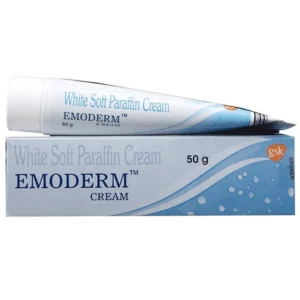
Emoderm Cream (White Soft Paraffin)
$14.00 $36.00Price range: $14.00 through $36.00
Next product
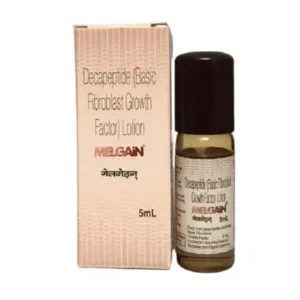
Melgain Lotion (Decapeptide)
$20.00 $112.00Price range: $20.00 through $112.00
$35.00 $99.00Price range: $35.00 through $99.00
In Stock
In Stock
Benoquin Cream (Monobenzone)
| Pack Size | Price | Quantity | Add To Cart | |
|---|---|---|---|---|
| 3 Tube/s | $35.00 | |||
| 6 Tube/s | $68.00 | |||
| 9 Tube/s | $99.00 | |||
| Want to order in bulk / B2B price? Send Inquiry | ||||
×
Sorry!! Out of Stock
Sorry! Benoquin Cream (Monobenzone) is out of stock
Please click below to view other similar medications.
View All Monobenzone Products

Offer You Can't Resist
Free Shipping
Enjoy Free Shipping on Orders above AUD304 (USD199)
Estimate Shipping :
07 June - 14 June
35
Last Updated on November 17, 2025

Description
What is Benoquin Cream?
Benoquin Cream contains the active ingredient Monobenzone, which is an agent for topical depigmentation that is used to reduce the appearance of areas affected by Vitiligo or any other disorders of pigmentation. It functions by eliminating the remaining pigmentation from the skin in order to smooth the skin’s tone, especially when pigmentation issues are severe or spread across the entire body.
Monobenzone is an effective treatment choice and is utilized under medical supervision in Australia, mostly for those who suffer from vitiligo and want permanent reduction of skin pigmentation in larger regions.
Key Product Details
| Attribute | Details |
| Brand Name | Benoquin Cream |
| Generic Name | Monobenzone |
| Strength | Typically 20% (varies by prescription) |
| Form | Topical Cream |
| Use | Skin depigmentation for vitiligo |
| Prescription Required | Yes |
| Application Area | Affected skin patches or larger areas |
How Does Benoquin Cream Work?
Benoquin Cream works by permanent destruction of melanocytes, which are the cells of the skin that produce melanin, the pigment that gives the skin its hue.
Through selectively targeting melanocytes, Monobenzone slowly diminishes the areas of the skin, which leads to the skin becoming less pigmented over a period of months or even weeks.
This is a permanent process that will result in an irreparable loss of pigmentation on the areas treated, and that is the reason Benoquin is only for those with vitiligo who want to eliminate patches of pigmentation and attain a consistent skin tone.
Common Uses of Benoquin Cream
- Vitiligo treatment: For patients who have large or symmetrical depigmentation, who opt to reduce the colored skin
- Cosmetic depigmentation: In certain cases, it is necessary to treat persistent pigmentation that is not removed by any other method
Benoquin Cream isn’t suitable for typical hyperpigmentation, such as Melasma or sunspots, and is not recommended to lighten the appearance of your skin in healthy skin.
How to Use Benoquin Cream
- Apply only to the affected areas of the skin according to the instructions of your physician
- Apply a thin layer of even thickness at least once a day
- Beware of contact with the eyes, mucous membranes, and skin that is not affected
- Make sure you protect yourself from sun exposure on the treated areas and the surrounding area
- The treatment can take a few months. Follow your healthcare physician’s advice carefully
Important Safety Information
- Benoquin can cause permanent depigmentation and, therefore, should only be utilized when necessary
- Beware of exposure to direct sunrays on the treated area to avoid irritation or burning
- Avoid using it if you suffer from an allergy to monobenzone or other components
- Do not use products on damaged or inflamed skin
- Inform us of any indications of skin itching, irritation, or a rash immediately
Possible Side Effects
Common Side Effects
- Skin redness or irritation
- Dryness or peeling skin
- Mild burning sensation
Rare but Serious Side Effects
- Severe skin inflammation
- Allergic reactions (rash, swelling, difficulty breathing)
- Excessive sensitivity to sunlight
- Skin infections if applied on damaged skin
Consult your physician immediately if you notice serious or ongoing adverse effects.
Storage Instructions
- Keep the room temperatures (below 25°C)
- Make sure the container is tightly sealed
- Guard against moisture and light
- Make sure that the items are out of Children’s reach
Why Use Benoquin Cream in Australia?
In Australia, because of its intense sunlight and a large population, skin conditions like Vitiligo may have an enormous influence on your quality of life. Benoquin Cream offers a way for people suffering from severe pigmentation to get an even complexion in cases where other treatments are not working.
Australian dermatologists suggest the strict use of sunscreen in conjunction with treatment due to the increased skin sensitivity following depigmentation.
FAQs – Benoquin Cream (Monobenzone)
-
What conditions does Benoquin Cream treat?
It’s mostly used to treat Vitiligo. It is used to reduce pigmentation in the remaining regions and create a uniform color of the skin.
-
How long does treatment take?
Changes visible can last from weeks to months, based on the treatment area and the skin’s response.
-
Is depigmentation permanent?
Yes, Monobenzone can cause permanent loss of color within treated areas.
-
Can I use Benoquin Cream on my face?
Only with careful medical supervision. The skin of the face is delicate, and sun exposure has to be managed with care.
-
Are there any alternatives to Benoquin?
Other treatment options for vitiligo comprise corticosteroids, phototherapy, and camouflage for cosmetic purposes; however, Benoquin stands out as the only treatment that is permanently depigmenting.
-
Can I apply sunscreen with Benoquin Cream?
Yes, the use of sunscreen is crucial to safeguard the delicate treated areas from damage caused by the sun.
-
Is Benoquin safe for children?
Children are not a good candidate for use and need expert advice.
-
Can Benoquin cause skin cancer?
There’s no proof that links Monobenzone to skin cancer; nevertheless, sun protection is crucial.
-
What should I do if I miss an application?
Do the following dose whenever you can and do not exceed the dosage.
-
Can I stop treatment anytime?
Yes, however, you should talk to your physician first so that you can know the implications.
Summary
Benoquin Cream (Monobenzone) is a special treatment aimed at patients suffering from significant pigmentation who want to permanently reduce the appearance of their skin. It is a must to use it with caution and under the guidance of a medical professional due to the irreversible nature of the results and skin sensitivities.
In conjunction with strict sunscreen and routine medical examinations, Benoquin Cream can significantly improve the look and confidence of those who suffer from difficult pigmentation problems.
Additional Information
| Manufacturer | Mac Laboratories Ltd |
|---|---|
| Pharmaceutical | Cream |
| Strength | 20% |
| Pack Size | 3 Tube/s, 6 Tube/s, 9 Tube/s |
Related products



Recently Viewed

Reviews
There are no reviews yet.