

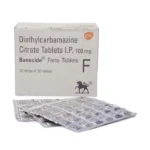
Banocide Forte 50mg (Diethylcarbamazine)
Previous product
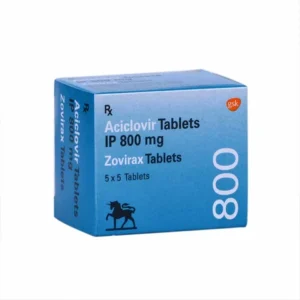
Zovirax 800mg (Acyclovir)
A$56.00 A$161.00Price range: A$56.00 through A$161.00
Next product

Banocide Forte 100mg (Diethylcarbamazine)
A$15.40 A$26.60Price range: A$15.40 through A$26.60
A$35.00 A$105.00Price range: A$35.00 through A$105.00
In Stock
In Stock
Banocide Forte 50mg (Diethylcarbamazine)
| Pack Size | Price | Quantity | Add To Cart | |
|---|---|---|---|---|
| 200 Tablet/s | A$35.00 | |||
| 400 Tablet/s | A$70.00 | |||
| 600 Tablet/s | A$105.00 | |||
| Want to order in bulk / B2B price? Send Inquiry | ||||
×
Sorry!! Out of Stock
Sorry! Banocide Forte 50mg (Diethylcarbamazine) is out of stock
Please click below to view other similar medications.
View All Diethylcarbamazine Products
Offer You Can't Resist
Free Shipping
Enjoy Free Shipping on Orders above AUD304 (USD199)
Estimate Shipping :
08 June - 15 June
43
Fast dispatch
I have ordered multiple times and always receive excellent service. Fast dispatch, reliable tracking, and great support.
 Australia
May 21, 2026
Last Updated on November 13, 2025

Description
Overview
Banocide Forte 50mg is a prescribed antiparasitic drug used to treat filariasis as well as other Nematode (roundworm) diseases. The active ingredient in the drug, Diethylcarbamazine citrate (DEC), is widely employed in Australia as well as around the world for treating the symptoms of lymphatic filariasis, loiasis, and Eosinophilia in the tropical zone. This drug plays an essential function in health care programs for the public in subtropical and tropical regions, in which these parasite-related diseases are common.
Banocide Forte is an essential component of an Australian treatment toolkit for managing parasitic infections, typically under the guidance of specialists in infectious diseases.
What is Banocide Forte 50mg?
Banocide Forte contains Diethylcarbamazine citrate in 50mg doses, an antiparasitic medication specially designed to fight microfilariae (larval stages of parasitic worms) and, in some cases, adult parasites. This is the only prescription medication and should be taken under medical supervision, primarily in the event of possible allergic reactions due to dying parasites.
Medical Uses of Banocide Forte
Indications
Banocide Forte 50mg is commonly recommended for:
- Lymphatic filariasis (Wuchereria bancrofti, Brugia malayi)
- Loiasis (Loa loa infection)
- Tropical pulmonary eosinophilia
- Toxocariasis (visceral larva migrans)
- Onchocerciasis (river blindness) – in limited instances, but more often in the context of combination treatment
Off-Label Uses
Though it’s primarily antiparasitic, Banocide has been used to treat:
- Refractory eosinophilic lung diseases
- There are a few instances that have been reported of Mansonella infection (under the trial protocol)
Always consult with a doctor prior to considering applications off-label.
How Banocide Forte Works
Diethylcarbamazine is a drug that alters the structure of the surfaces that are present in microfilariae and makes them more vulnerable to being destroyed by the immune system of the host. It binds the parasites to them and reduces their ability to live, which makes it much easier for your immune system to eradicate them.
Banocide can also block arachidonic acid metabolic processes within the parasite, causing cell damage and ultimately death. Banocide is effective against the adult and larval versions of parasites.
Dosage & Administration
| Indication | Adult Dosage (Typical) | Duration |
| Lymphatic Filariasis | 6 mg/kg/day in 3 divided doses | 12–21 days |
| Loa Loa Infection | 4–6 mg/kg/day, gradually increased | 21 days or as advised |
| Tropical Eosinophilia | 6 mg/kg/day | 14 days |
| Toxocariasis (off-label) | 2–4 mg/kg/day | 10–14 days |
Note: Dosing can be altered according to body weight as well as the severity of infection and tolerance. A medical professional’s supervision is essential because of the potential for an immune reaction to dying parasites.
Precautions & Warnings
Who Should Not Take Banocide
Use with care. Use with caution if:
- Are allergic to Diethylcarbamazine and similar antiparasitics
- Do suffer from Onchocerciasis (may increase the severity of symptoms in the eye if combined therapy is not used
- Are you expecting (unless benefits outweigh the risks)
- Do suffer from severe renal impairment
Monitoring Requirements
Banocide may cause Jarisch-Herxheimer-like reactions, including fever, rash, and lymph node swelling due to the rapid die-off of parasites. Because of this, patients might require:
- Hospital monitoring during initial doses
- Antihistamines or corticosteroids to treat inflammation symptoms
- Tests for blood to determine the levels of eosinophils, as well as kidney function
Side Effects
Common Side Effects
- Nausea
- Headache
- Loss of appetite
- Drowsiness
- Dizziness
Parasite-Die-Off Reactions
They aren’t true allergies, but rather reactions in response to the destruction of parasites:
- Fever and chills
- Lymph node tenderness
- Skin rash or itching
- Eye inflammation (especially in Loa loa cases)
Rare Side Effects
- Neutropenia
- Retinal haemorrhage
- Confusion or mood changes
If you experience severe reactions if severe reactions occur, you should seek medical attention immediately.
Storage Instructions
- Keep it below 30°C in a cool, dry space.
- Be sure to keep it out of the Children’s reach
- Use only after the expiry date
- Avoid exposure to moisture
Availability in Australia
Banocide Forte 50mg is a Schedule 4 drug that is available in Australia, which means it’s only accessible with a prescription. The medicine may not be found in every pharmacy and might require an order from a specialist or purchase through the dispensaries in hospitals.
In regions with an endemic infection (especially regions in Northern Australia), Banocide is a vital component of health protocol for the region and is widely distributed through the public health initiatives for the elimination of disease.
FAQs: What, How, Why?
-
What infections does Banocide treat in Australia?
Banocide is mainly used for the treatment of filariasis, loiasis, and Eosinophilia tropicalis. It is essential to manage extremely rare and serious parasitic infections that are found in Australia.
-
How does Banocide work on worms?
The worms are paralyzed and damaged. Parasites, making them susceptible to attack by the immune system. It helps remove them from the bloodstream and tissue.
-
Why is medical supervision required?
The body’s immune reaction against dying parasites could be overwhelming, leading to swelling and reactions throughout the body. Monitors can help prevent problems.
-
What is the dosing schedule?
Doses are typically divided into three times per day and then adjusted according to the weight. The full course can take between 14 to 21 days.
-
Can Banocide be used in pregnancy?
The best way to avoid it is if the risk of infection is greater than the damage. Consult a doctor.
-
Does it interact with other medications?
It can be a cause of interaction with antihistamines, steroids, and other antiparasitic medications. Tell your doctor about all medicines you are using.
-
What are the signs of a parasite die-off reaction?
The swelling of lymph nodes and rashes, as well as eye irritation, are all common. They are all immune reactions to the destruction of parasites.
-
Why not use it for all worm infections?
Banocide is a specific type of nematode and filarial parasite. Banocide is not effective against a variety of commonly encountered intestinal worms, such as tapeworms and hookworms.
-
How is it different from albendazole or ivermectin?
Banocide has more potency against microfilariae. It is also used in situations where albendazole and ivermectin are not enough.
-
What should I do if I miss a dose?
Use it as soon as you can remember, unless you’re close to the next dose. Avoid double doses to make up for lost time.
Summary
Banocide Forte 50mg (Diethylcarbamazine) remains a fundamental treatment used in the control of parasitic worm-related infection, including filariasis and loiasis. Although it is not widely used by people in general, its role in the fight against infectious diseases all over Australia, as well as the surrounding tropical regions, is substantial.
Due to the possibility of adverse effects as well as effects on the immune system, Banocide should only be administered under the supervision of a medical professional. The effectiveness of Banocide is well-established, and when taken with care, it could help you recover fully from the most serious parasite-related diseases.
Additional Information
| Manufacturer | GlaxoSmithKline Pharmaceuticals Ltd |
|---|---|
| Pharmaceutical | Tablet/s |
| Strength | 50 mg |
| Pack Size | 200 Tablet/s, 400 Tablet/s, 600 Tablet/s |
Related products

Recently Viewed

Reviews
There are no reviews yet.