

Aziderm 10% Gel (Azelaic Acid)
Previous product
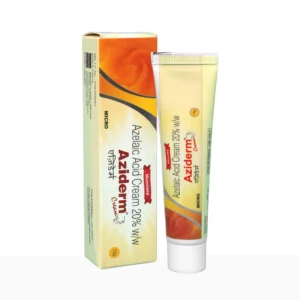
Aziderm 20% Cream (Azelaic Acid)
A$47.60 A$123.20Price range: A$47.60 through A$123.20
Next product
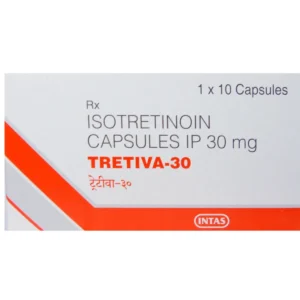
Tretiva 30mg Soft Capsule (Isotretinoin)
A$105.00 A$280.00Price range: A$105.00 through A$280.00
A$39.20 A$109.20Price range: A$39.20 through A$109.20
In Stock
In Stock
Aziderm 10% Gel (Azelaic Acid)
| Pack Size | Price | Quantity | Add To Cart | |
|---|---|---|---|---|
| 3 Tube/s | A$39.20 | |||
| 6 Tube/s | A$71.40 | |||
| 9 Tube/s | A$109.20 | |||
| Want to order in bulk / B2B price? Send Inquiry | ||||
×
Sorry!! Out of Stock
Sorry! Aziderm 10% Gel (Azelaic Acid) is out of stock
Please click below to view other similar medications.
View All Azelaic Acid Products
Offer You Can't Resist
Free Shipping
Enjoy Free Shipping on Orders above AUD304 (USD199)
Estimate Shipping :
08 June - 15 June
33
Best quality
Quality medicines at reasonable prices. Delivery was faster than expected, and everything arrived in perfect condition.
 Australia
May 24, 2026
Last Updated on November 13, 2025

Description
What is Aziderm 10% Gel?
Aziderm 10% Gel is a skin treatment that is formulated with 10% Azelaic Acid, which is an acid that naturally, occurs in wheat, barley, and Rye. The dermatologically-approved gel is intended to treat a wide range of skin issues, including moderate to mild acne, rosacea, and hyperpigmentation.
It is an effective anti-inflammatory as well as antibacterial treatment. Azelaic Acid helps unclog pores, lessen swelling, and even out skin tone without harsh exfoliation or strenuous drying.
Key Benefits at a Glance
| Feature | Benefit |
| Active Ingredient | 10% Azelaic Acid |
| Main Use | Acne, rosacea, pigmentation |
| Texture | Lightweight gel |
| Suitability | All skin types, including sensitive skin |
| Common Results | Fewer breakouts, reduced redness, brighter skin tone |
| How to Use | Applied twice daily on affected areas |
| Fragrance-Free | Yes |
| Prescription Needed | No (in many regions) |
How Does Aziderm 10% Gel Work?
The active ingredient in Aziderm, Azelaic Acid, is active across multiple levels:
- Antibacterial: It kills bacteria that cause acne (e.g., Propionibacterium acnes).
- Comedolytic: Helps prevent the formation of comedones (blackheads and whiteheads).
- Anti-Inflammatory: Calms redness and swelling.
- Keratin Regulation: Normalizes cell turnover to prevent blocking of the pores.
- Tyrosinase Inhibition: It reduces melanin production, which helps to treat melanin-producing dark spots and melasma.
This mechanism is multi-action, making it perfect for ongoing skin care, not only treatments for flare-ups.
Who Can Use Aziderm 10% Gel?
Aziderm is ideal for:
- Adults and teens suffering from acne caused by hormonal factors or bacteria
- People with rosacea have red, inflamed patches
- People who are suffering from hyperpigmentation post-inflammatory
- People are looking for a light yet effective exfoliant
It’s typically safe for those with sensitive skin types. However, patch testing is recommended especially for those who are first time users.
How to Use Aziderm 10% Gel: Step-by-Step
-
Cleanse
Cleanse your face using a mild cleanser, and then pat dry.
-
Apply
With clean hands, apply an even layer of gel onto the areas affected. Make sure to avoid eyes, mouth and skin that have been damaged.
-
Frequency
Use two times a day–morning and at night, unless otherwise directed by a medical professional.
-
Moisturise
Then follow up with a mild moisturizer to reduce dryness and irritation.
-
Sun Protection
Apply sunscreen throughout the day. Azelaic Acid could increase your skin’s sensitivity to UV light.
How Long Does It Take to Work?
The results vary from person to person; however, most people notice improvements in their appearance in four to six weeks. If they continue to use the product, results generally continue to improve for three months.
Note: A mild tingling or irritation could be experienced initially, but this usually disappears after several days.
Why Choose Aziderm 10% Over Other Treatments?
- Non-comedogenic: Won’t block pores
- No harsh peeling: Unlike AHAs or BHAs
- Low resistance risk: Unlike antibiotics
- Multi-purpose: It can be used to treat acne as well as pigmentation
- Topical application: No systemic side effects
Potential Side Effects
The majority of users can tolerate Aziderm quite well. However, potential negative effects are:
- Mild burning or tingling
- Dryness or peeling
- Temporary redness
For a less irritating product, start by applying a single dose a day and then increase gradually.
Storage and Handling
- Keep at ambient temperatures (15-25°C)
- Stay clear of the direct sun and humidity
- Do not freeze
- Make sure that the items are out of Children’s reach
Dermatologist-Approved Uses
- Acne vulgaris (pimples, whiteheads, blackheads)
- Rosacea (red, inflamed facial skin)
- Melasma (dark patches from sun or hormones)
- Post-inflammatory hyperpigmentation
- Keratosis pilaris (rough bumps on arms and thighs)
10 FAQs: What, How, Why
-
What does Aziderm 10% Gel treat most effectively?
The most common use for it is the treatment of rosacea, acne, and skin discoloration, particularly when blocked pores or inflammation occur.
-
How is Azelaic Acid different from benzoyl peroxide?
Azelaic Acid is less harsh, more hydrating, has less drying, and targets pigmentation, unlike benzoyl peroxide, which concentrates on eliminating bacteria that cause acne.
-
Why is it suitable for sensitive skin?
Since it is anti-inflammatory and does not wreak havoc on the barrier to skin like other chemical exfoliants.
-
What should I avoid while using Aziderm?
Do not use other harsh topical treatments (like powerful retinoids and acids) in conjunction without consulting an expert doctor.
-
How long can I use it safely?
It is possible to use it for a long time, up to a few months, if your skin can tolerate it well. It’s usually part of your regular skincare routines.
-
Why does it tingle or burn when I apply it?
It is normal to feel a slight tingling, which is most noticeable in the initial week. The tingling usually decreases. If it is severe, decrease the frequency of treatment or seek advice from a physician.
-
What if I miss an application?
Simply skip it, and follow up with the dose that you scheduled. Don’t double up.
-
How does it affect pigmentation?
Azelaic Acid blocks tyrosinase, the enzyme that causes excessive melanin production, which makes it effective in fading discoloration and dark spot tones.
-
Why isn’t it working yet?
It could take several weeks before you see results. The process of cell turnover in the skin is a process that takes time. Acne or pigmentation can be a slow process.
-
What’s the best time to apply Aziderm?
Make use of it in the morning and at night after cleansing. It can also be used before moisturizing. Always apply sunscreen at the end of the day.
Final Thoughts
Aziderm 10% Gel provides a sophisticated, scientifically-proven solution to Australians suffering from Rosacea, acne, or unbalanced skin. Its gentle formulation and multi-faceted action can be incorporated into every routine of skincare. If you’re a teenager struggling with breakouts or an adult who is struggling with acne scars post-conjunctiva, Aziderm is a clear option for a clearer complexion.
Additional Information
| Manufacturer | Micro Labs Ltd |
|---|---|
| Pharmaceutical | Cream |
| Strength | 10% |
| Pack Size | 3 Tube/s, 6 Tube/s, 9 Tube/s |
Related products



Recently Viewed


Reviews
There are no reviews yet.