
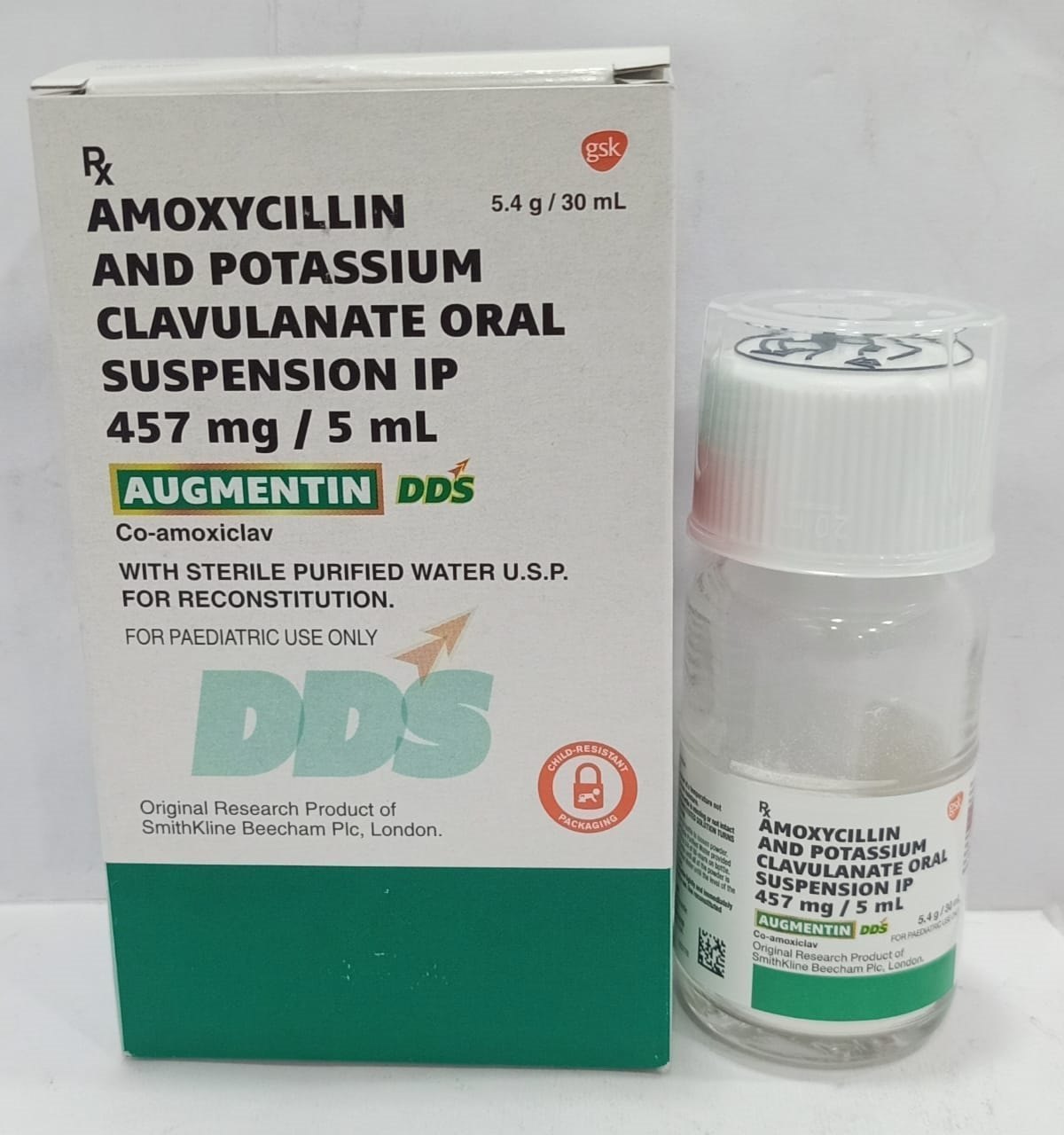
Augmentin Syrup DDS 5.4g (Amoxicillin/Clavulanic Acid)
Previous product
Augmentin Syrup DUO 3.3g (Amoxicillin/Clavulanic Acid)
A$5.78 A$28.88Price range: A$5.78 through A$28.88
Next product
Azeetop 1000mg (Azithromycin)
A$25.99 A$137.18Price range: A$25.99 through A$137.18
A$21.66 A$37.54Price range: A$21.66 through A$37.54
In Stock
In Stock
Augmentin Syrup DDS 5.4g (Amoxicillin/Clavulanic Acid)
| Pack Size | Price | Quantity | Add To Cart | |
|---|---|---|---|---|
| 3 Bottle/s | A$21.66 | |||
| 6 Bottle/s | A$36.10 | |||
| 9 Bottle/s | A$37.54 | |||
| Want to order in bulk / B2B price? Send Inquiry | ||||
×
Sorry!! Out of Stock
Sorry! Augmentin Syrup DDS 5.4g (Amoxicillin/Clavulanic Acid) is out of stock
Please click below to view other similar medications.
View All Amoxicillin/Clavulanic Acid Products
Offer You Can't Resist
Free Shipping
Enjoy Free Shipping on Orders above AUD304 (USD199)
Estimate Shipping :
28 August - 04 September
50
Professional team
Professional team and excellent customer service. Everything was handled smoothly and efficiently
 Australia
August 8, 2026
Last Updated on November 10, 2025

Description
Introduction
Augmentin Syrup DDS 5.4 g (Amoxicillin/Clavulanic Acid) is a dry-syrup antibiotic used primarily in children. It has two active ingredients, amoxicillin – a penicillin-type antibiotic – and clavulanic acid, which helps prevent bacterial resistance and increases efficacy.
What’s Actually in It?
Reconstituted (mixed in water), the syrup can provide:
- Amoxicillin Trihydrate is similar to amoxicillin
- Potassium Clavulanate is comparable to the acid clavulanic
The precise ratio for 5 mL is a highly concentrated formula that is comparable to the DDS version (Dry Dispensing System) used in the field of paediatrics.
How It Works
- Amoxicillin destroys bacteria by disrupting the cell wall structure.
- A lot of bacteria are resistant to amoxicillin through beta-lactamase enzymes.
- Clavulanic acid blocks these enzymes and allows amoxicillin to be effective.
The combination provides broad-spectrum antibacterial benefits.
Approved Uses
The syrup is often used to treat bacterial infections in children, which include:
- Ear, nose, and throat diseases (sinusitis, otitis media, and tonsillitis)
- Infections in the respiratory tract (bronchitis or pneumonia)
- Soft tissue and skin infections (including animal bite injuries)
- The urinary tract, bone, as well as joint and bone infections
- In some settings, it is used to treat tuberculosis that is resistant to drugs.
Dosage & Administration
- Mix the syrup in with the water you have supplied by following the fill line guide for bottles. Shake thoroughly.
- Use along with your food or drink to ease stomach upset.
- Make sure you use a suitable measuring syringe or cup. Not household spoons.
- Typically, it is given at least twice a day (DDS) or when prescribed by a doctor, depending on the weight of the patient and severity of infection.
Duration of Treatment
- Take the whole prescribed program regardless of whether symptoms improve in the beginning.
- The premature stoppage of treatment can lead to ineffective treatment or even resistance to antibiotics.
- Talk to your physician about dosage adjustment for children suffering from problems with their liver or kidneys.
Potential Side Effects
Common (usually mild):
- Diarrhoea
- Nausea or vomiting
- Abdominal discomfort
- Skin rash or itching
- Throat or mouth thrush (yeast overgrowth)
- Headache or mild dizziness
Rare but serious:
- The liver is a major source of toxicity for people with jaundice before liver disease
- Extreme allergic reactions (e.g., anaphylaxis, Stevens-Johnson syndrome)
- Diarrhoea severe, possibly because of Clostridioides difficile.
When Not to Use It
- Any allergic reaction to beta-lactams or penicillins
- The previous incidents of the drug-related rash or impairment of the liver following co-amoxiclav
- Be cautious in patients suffering from extreme renal or liver impairment.
- It is not recommended for mothers who are pregnant or nursing unless advised otherwise.
Interactions to Be Aware Of
Possible drug interactions include:
- Probenecid or allopurinol (affect elimination rates)
- Warfarin – could alter the control of clotting
- Mycophenolate mofetil – may reduce effectiveness
- Contraceptives (estrogen) – minor interaction reported
There are no specific food-related interactions identified; however, avoiding the consumption of alcohol as well as maintaining your hydration levels is a good idea while receiving therapy.
Storage Instructions
- Keep it in a cool, shaded, and dry area between 10 to 25°C
- Mix, then refrigerate. remove any syrup that remains in 7-10 days
- Be sure to keep it out of the Children’s reach
Tips for Parents
- Shake thoroughly before every dose.
- Take precise measurements using the siringe or cup.
- Use along with your food to minimize gastrointestinal adverse effects.
- Don’t avoid skipping doses. Do not miss doses: get the missed dose immediately if your next dose is coming up.
- Take the whole course regardless of whether symptoms start to improve.
- If you notice thrush or diarrhoea, consult your physician. Probiotics could assist.
- Notify us of any strange symptoms immediately, like eye redness, rash, or constant excessive fever.
Summary Table
| Feature | Details |
| Active Ingredients | Amoxicillin + Clavulanic acid |
| Formulation | Dry syrup (reconstituted to 5 mL dose) |
| Typical Dosing | Twice daily (DDS) based on weight and indication |
| Use | Paediatric bacterial infections |
| Duration | Full course (commonly 5–10 days or per doctor advice) |
| Common Side Effects | Diarrhoea, nausea, rash, thrush |
| Serious Risks | Allergy, liver issues, severe diarrhoea |
| Key Interactions | Probenecid, warfarin, mycophenolate |
| Storage After Mixing | Refrigerate; throw out after 7–10 days |
Frequently Asked Questions
Q: What does “DDS” mean?
DDS is shorthand for Dry Dispensing System. It’s a form that’s powdered and that is designed to be used twice daily by young children.
Q: Can this syrup treat viral infections like flu or common cold?
No— the answer is no. Augmentin only targets bacterial infections and not viruses.
Q: Can I give this to infants and toddlers?
Yes, if prescribed, Dosage adjustments are based on the weight of the patient; the doctor should be able to confirm the dosage in babies less than 2 months old.
Q: What if my child vomits shortly after dosing?
Repeat the dosage in the event of vomiting after 30 minutes. Consult your doctor if repeated vomiting happens.
Q: Is it safe to use probiotics afterward?
Yes, probiotics after antibiotics can help restore healthy gut flora and reduce the risk of antibiotic-associated diarrhoea.
Final Thoughts
Augmentin Syrup DDS 5.4 grams is a potent paediatric antibiotic, combining amoxicillin and the clavulanic acid. It is effective against a broad spectrum of bacterial infections. It’s designed to be convenient for twice-daily dosage in kids. If used according to the instructions – with precise dosage, complete course completion, and storage that are properly maintained, it provides solid treatment and manageable adverse results.
Follow a physician’s instructions, and immediately report any issues or reactions that are severe.
Additional Information
| Manufacturer | GlaxoSmithKline Pharmaceuticals Ltd. |
|---|---|
| Pharmaceutical | Dry Syrup |
| Strength | 5.4 g |
| Pack Size | 3 Bottle/s, 6 Bottle/s, 9 Bottle/s |
Related products


Reviews
There are no reviews yet.